Hero of the Marines
CharacterA stage musical unique to the live-action series, Hero of the Marines is built around the career and famous exploits of Monkey D. Garp. Mounted at the Loguetown Opera to considerable success, it takes its name from the honor Garp won after the God Valley Incident.
Appearance
The production plays the Loguetown Opera, where audiences have flocked and critics have approved. A five-star notice in the World Economy News Paper praised its direction as beautiful, and a separate four-star piece commended it as a historically faithful musical account of the God Valley Incident. Its very title lifts the epithet Garp earned in the aftermath of that battle, treated here as a centerpiece of the show.
Personality
Little of the staging itself is documented, though the action seems to begin around the time Garp signed on with the Marines. A review by Big News Morgans points to flashbacks of his cadet years beside the future admiral Sengoku and the future vice admiral Tsuru, and dwells on his most celebrated victories, among them shielding the world from the Rocks and Roger crews. The same notice credits a sequence in which Garp turns back an assault on Mary Geoise led by Shiki, the Golden Lion. One of the show's numbers, Denied Promotion, is billed as a uniquely spirited piece that pits Garp's unshakable reverence for the Celestial Dragons against an opposing force.
History
Listed as the work's makers are a Matt Owens and a Joe Tracz, while a Vincent Regan plays Garp, the three names nodding toward the live-action showrunners and the actor who portrays him. The newspaper coverage sets the cadet flashbacks across the 1460s and 1470s and frames the play's reach from 1485 to 1505, covering both God Valley and the later strike on Mary Geoise by Shiki. Canon dating disagrees, however: Garp enlisted in 1485 at twenty-two, while the clash at God Valley and Shiki's assault landed in 1503 and 1517 respectively.
Related Reading
See all
The Most Popular Women of One Piece: A Fan's Journey Through Anime's Greatest Female Characters...
When I first decided to commit to watching One Piece seriously, I knew I was embarking on one of anime's longest and most beloved series. With over 100...
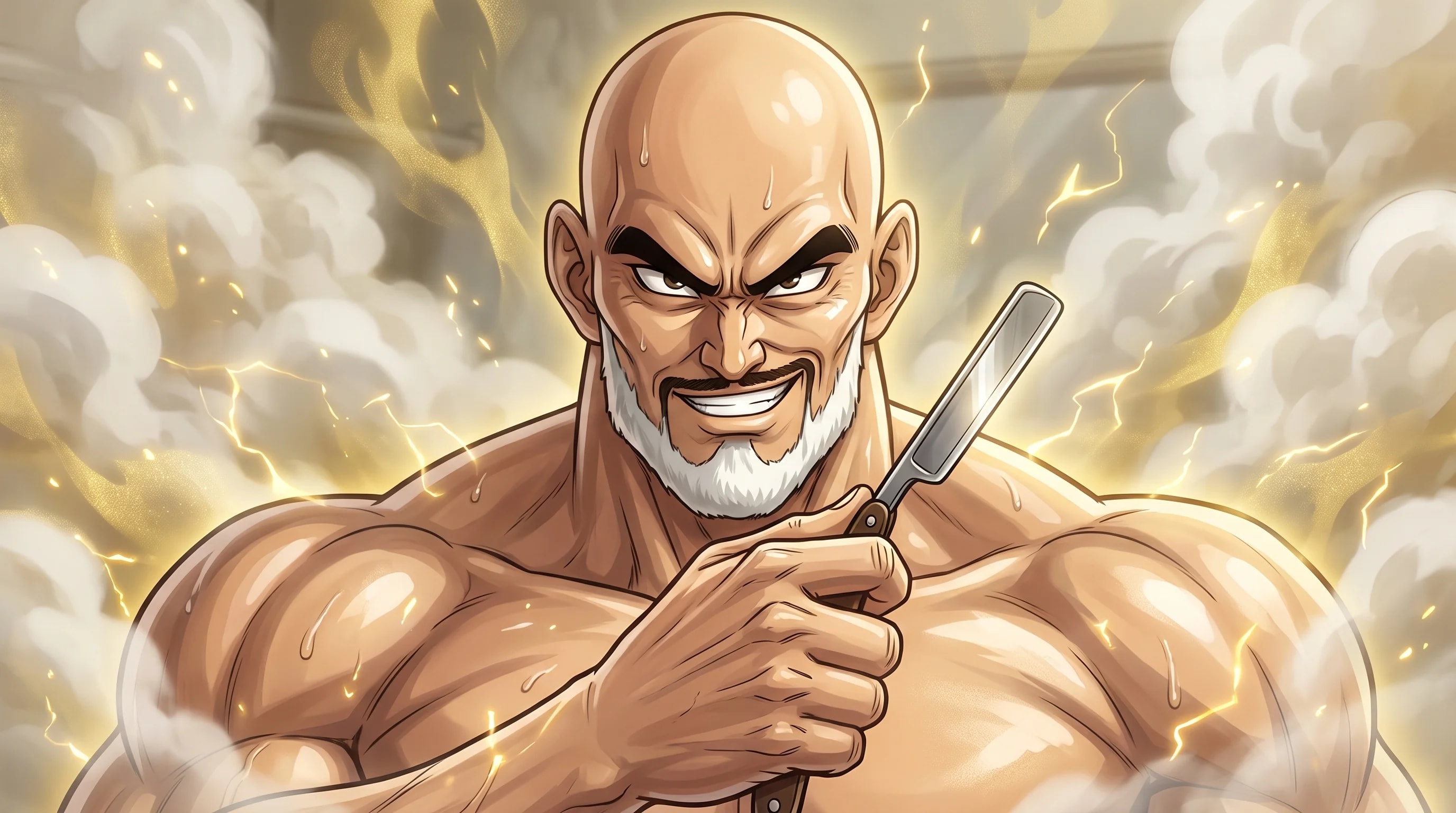
Super Saiyan Pubes: The Song About Where Super Saiyan Hair Actually Goes
The transformation everyone knows, the follow-up question nobody would touch. Why we made a smooth R&B track about the golden glow Dragon Ball never talks about....
Frequently Asked Questions
Why is Garp called the "Hero of the Marines"?
Garp earned the "Hero of the Marines" title for his actions during the God Valley Incident, and the live-action musical of the same name is built around that honor and his broader career. It plays at the Loguetown Opera and has been praised as a historically faithful account of the events it depicts.
Who is Monkey D. Garp in the "Hero of the Marines" musical?
In the musical, Monkey D. Garp is portrayed from his early days as a Marine cadet alongside future admiral Sengoku and future vice admiral Tsuru through his most celebrated victories, including defending the world from the Rocks and Roger pirate crews and repelling Shiki the Golden Lion's assault on Mary Geoise.
What is the musical "Hero of the Marines" about?
Hero of the Marines is a stage musical exclusive to the live-action One Piece series that dramatizes the career of Monkey D. Garp, from his cadet years to his famous victories, and takes its title from the epithet he earned after the God Valley Incident.
Where is Hero of the Marines performed?
Hero of the Marines is staged at the Loguetown Opera, where it has drawn praise from critics, including a five star review in the World Economy News Paper for its direction.
Who created Hero of the Marines and who plays Garp?
Hero of the Marines is credited to writers Matt Owens and Joe Tracz, with actor Vincent Regan playing Garp, reflecting the real-life creative team behind the live-action One Piece series.
Sources & Information
Looking for more on Hero of the Marines? The One Piece Wiki on Fandom has a dedicated page with community notes.
View on FandomThis content is original writing by Daddy Jim Headquarters based on the One Piece anime series, manga, and official materials. Episode and chapter references are cited where applicable.
Character and scene imagery on this site is original artwork by Daddy Jim Headquarters, not screenshots or licensed imagery. Official cover art is used on three types of pages for editorial commentary:
- Movie pages: theatrical posters and key visuals, credited to Toei Animation and Toei Company.
- Game pages: official box art for the One Piece console and mobile games, credited to Bandai Namco.
- Manga chapter pages: Jump Comics volume covers, credited to Shueisha and Eiichiro Oda.
Official resources:
Help Us Keep This Wiki Accurate
Daddy Jim Headquarters maintains this encyclopedia. If you spot an error, a translation issue, or something that doesn't look right, let us know.