
Jango's Dance Carnival
MovieJango's Dance Carnival is a short animated featurette, running about five and a half minutes, that screened alongside the second One Piece film, Clockwork Island Adventure. Its main purpose is to spotlight the song Ready! by Folder 5.
Overview
Directed by Daisuke Nishio and built around a single musical number, the comedic short pairs with Clockwork Island Adventure as a bonus attraction. Continuity-wise it could fall anywhere between the Arlong Park and Reverse Mountain stretches, since the crew still consists of its five East Blue members aboard the Going Merry.
The piece draws clear inspiration from the manga-exclusive Jango's Dance Paradise cover arc, leaning heavily on the otherwise rare setting of Mirror Ball Island.
Plot
Hungry and ragged, Jango drifts onto Mirror Ball Island, celebrated for throwing the East Blue's biggest dance festival. Unable to resist the rhythm, he draws attention at a local bar and soon has a squad of Marines chasing him through the crowds.
The pursuit collides with the visiting Straw Hats, and once Luffy is recognized the whole crew is forced to scatter as well. Cornered, Jango scrambles onto a dance platform and flashes his hypnotic ring against the enormous disco ball above, commanding everyone in sight to dance.
Amplified by the giant ball, the hypnosis grips Marines, pirates, and townsfolk alike, even Jango himself, until their relentless dancing tears the island apart. When the spell finally fades, the worn-out crew escapes on the Going Merry, only to realize Luffy stayed behind, still dancing on the wreckage beside an equally dazed Jango.
Reception
The featurette serves primarily as a vehicle for Folder 5's Ready!, the group having already provided the anime's second opening theme, Believe.
Its emphasis on Mirror Ball Island gave the screen a rare look at a location that otherwise lived only in the manga's cover-page storylines.
Related Reading
See all
The Most Popular Women of One Piece: A Fan's Journey Through Anime's Greatest Female Characters...
When I first decided to commit to watching One Piece seriously, I knew I was embarking on one of anime's longest and most beloved series. With over 100...
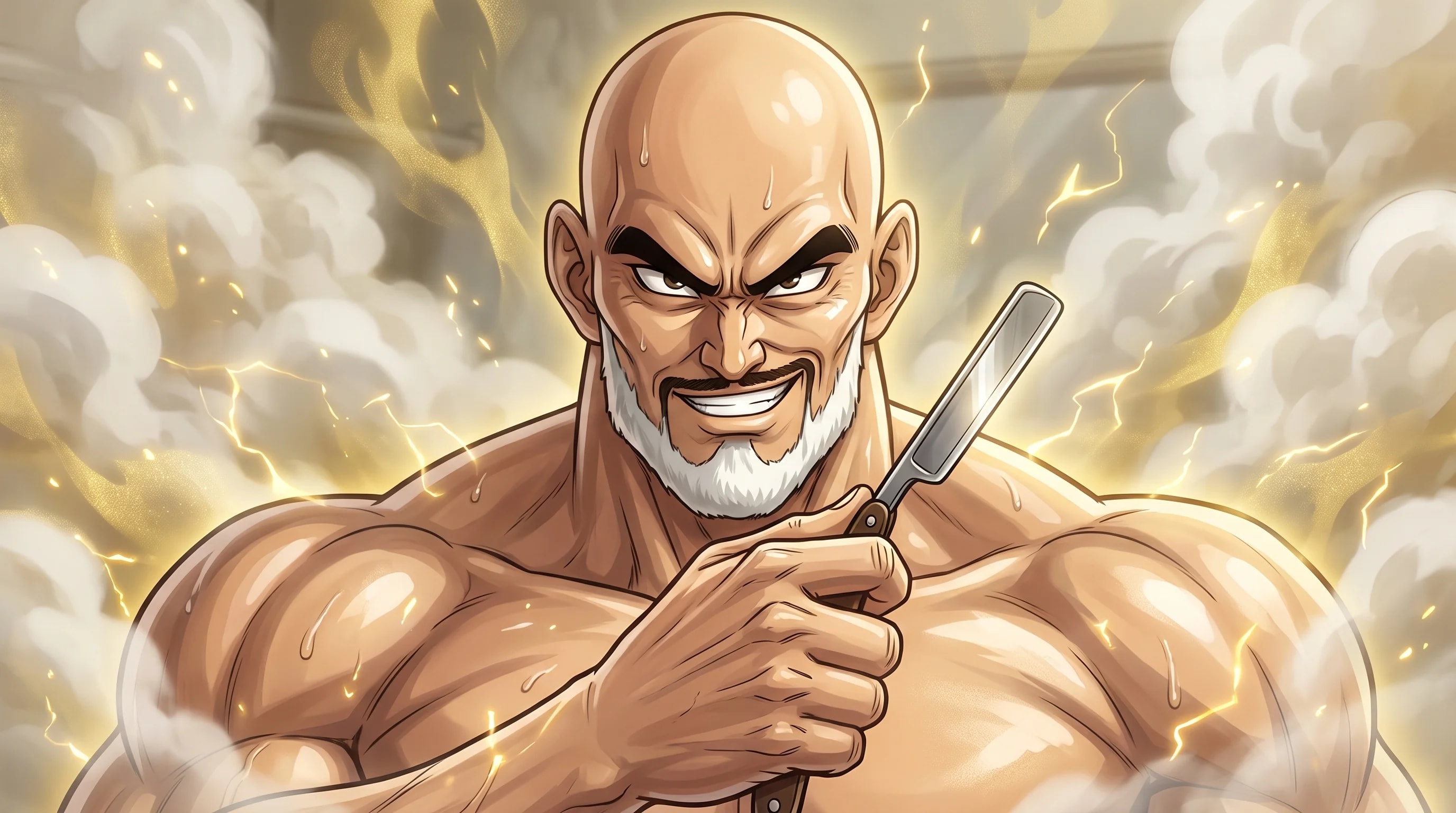
Super Saiyan Pubes: The Song About Where Super Saiyan Hair Actually Goes
The transformation everyone knows, the follow-up question nobody would touch. Why we made a smooth R&B track about the golden glow Dragon Ball never talks about....
Frequently Asked Questions
In what episode do the Straw Hats dance?
The Straw Hats are forced to dance in Jango's Dance Carnival, a short featurette paired with the film Clockwork Island Adventure, in which Jango's hypnotic ring amplified by a giant disco ball makes Marines, pirates, and townsfolk dance uncontrollably.
What is Jango's Dance Carnival about?
Jango's Dance Carnival is a roughly five-and-a-half-minute animated short, directed by Daisuke Nishio, that screened alongside the second One Piece film and centers on the hypnotist Jango causing chaos on Mirror Ball Island.
What song does Jango's Dance Carnival showcase?
Jango's Dance Carnival was built around the song Ready! by Folder 5, the same group that performed the anime's second opening theme, Believe.
How does Jango's Dance Carnival end?
Jango's Dance Carnival ends with the hypnosis finally wearing off and the exhausted Straw Hats escaping on the Going Merry, only to realize Luffy stayed behind, still dancing on the wrecked island beside an equally dazed Jango.
What movie was Jango's Dance Carnival paired with?
Jango's Dance Carnival was paired in theaters and on home video with Clockwork Island Adventure, the second One Piece film.
Sources & Information
Looking for more on Jango's Dance Carnival? The One Piece Wiki on Fandom has a dedicated page with community notes.
View on FandomThis content is original writing by Daddy Jim Headquarters based on the One Piece anime series, manga, and official materials. Episode and chapter references are cited where applicable.
Character and scene imagery on this site is original artwork by Daddy Jim Headquarters, not screenshots or licensed imagery. Official cover art is used on three types of pages for editorial commentary:
- Movie pages: theatrical posters and key visuals, credited to Toei Animation and Toei Company.
- Game pages: official box art for the One Piece console and mobile games, credited to Bandai Namco.
- Manga chapter pages: Jump Comics volume covers, credited to Shueisha and Eiichiro Oda.
Official resources:
Help Us Keep This Wiki Accurate
Daddy Jim Headquarters maintains this encyclopedia. If you spot an error, a translation issue, or something that doesn't look right, let us know.