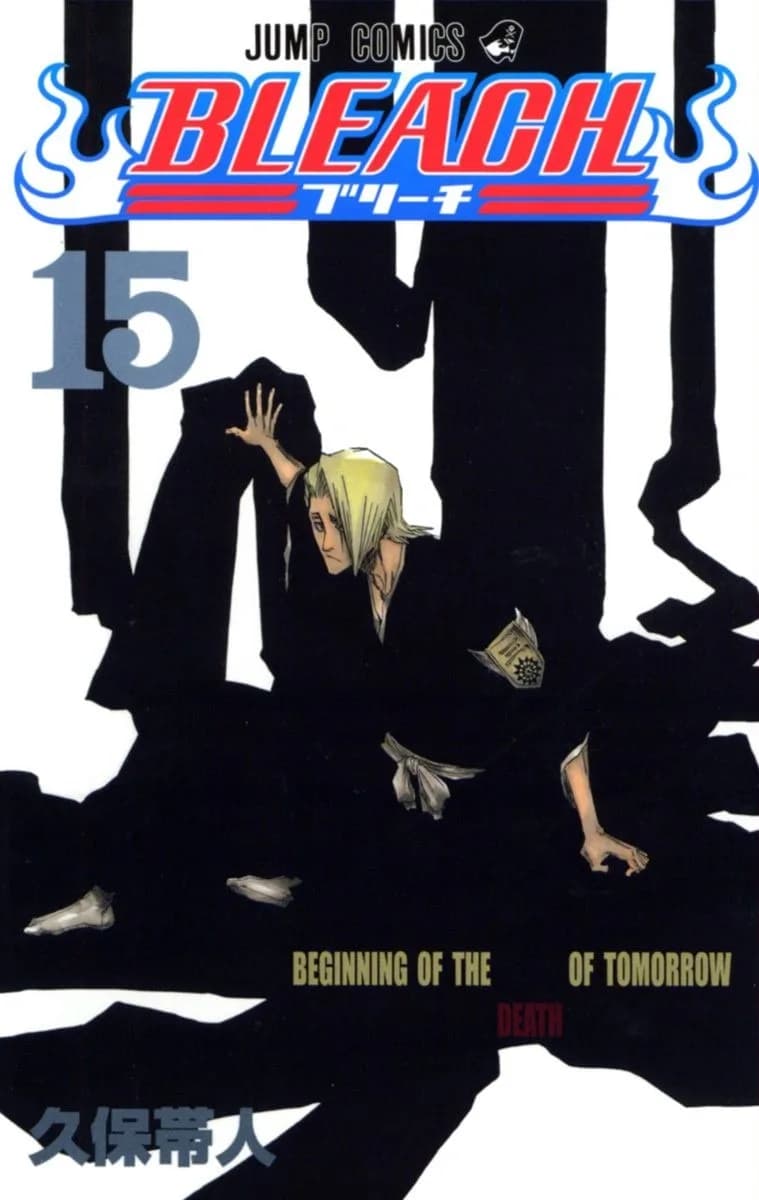
Remembering the father who scorned the Quincy and the grandfather who set him on their path, Uryū Ishida resolves to stop Mayuri Kurotsuchi at any price, reaching for a glove that will grant tremendous strength at the cost of everything that makes him a Quincy.
Main Characters (5)
Summary
Stunned that Uryū Ishida can stand with all four limbs slashed, Mayuri Kurotsuchi recognizes the old art of Ransōtengai, which suspends the body on countless threads of spirit particles like a puppet, letting a Quincy keep fighting even as internal wounds mount, right up until they crumble to dust. He marvels that not one of the 2,661 Quincy he studied could reproduce a fragment of it, yet this youth wields the whole technique.
Memories rise of his cold father Ryūken, who saw no worth in the Quincy and told his son he had no talent for it, and of his kind grandfather Sōken, who understood the boy's wish to grow strong enough to shield people from Hollows. Sōken had once handed Uryū the Sanrei Glove, meant for a battle beyond his abilities that would demand he sacrifice himself. Apologizing to his grandfather for breaking a final instruction, Uryū snaps a protrusion from the glove, and in a violent eruption of unleashed power he stands remade, the Quincy: Letzt Stil now active.

Key Events
Mayuri identifies Ransōtengai and explains its role as the Quincy's ultimate combat art. Flashbacks establish the rift with Uryū's father Ryūken and the bond with his grandfather Sōken that shaped his resolve. Uryū removes the Sanrei Glove despite the ruinous cost, activating the Quincy: Letzt Stil.
Related Reading
See all
The Bleach Female Characters Nobody Can Agree On, Settled
Five Bleach female characters, ranked and settled. Yoruichi sits at number five, the spot nobody expects, and our number one is an Arrancar with a soft heart....
Naruto vs Luffy: Does the Fight Change if Luffy Tickles Hinata?
Naruto vs Luffy with the twist nobody asked for: Luffy tickled Hinata on date night, and she kind of liked it. We break down the whole fight and commit to a winner....
Notes
This chapter opens the fifteenth volume, BEGINNING OF THE DEATH OF TOMORROW, within the Soul Society arc, and was adapted into Episode 44, Ishida, The Utmost Limits of Power. It marks the debut of the Quincy: Letzt Stil and expands the Ishida family history that drives Uryū's stand against Mayuri.
Frequently Asked Questions
What happens in Bleach chapter 124, Crying Little People?
In Crying Little People, Uryū Ishida recalls his father Ryūken and grandfather Sōken, then removes the Sanrei Glove despite its ruinous cost, activating the Quincy: Letzt Stil against Mayuri Kurotsuchi.
What does the Sanrei Glove do in Bleach?
In chapter 124, the Sanrei Glove is a tool Sōken once gave Uryū for a battle beyond his abilities, and removing it unleashes tremendous power at the cost of everything that makes him a Quincy.
What is Ransōtengai in Crying Little People?
Crying Little People describes Ransōtengai as an old Quincy art that suspends the body on countless threads of spirit particles like a puppet, letting a wielder keep fighting even as internal wounds mount until they crumble to dust.
When does Quincy: Letzt Stil first appear in Bleach?
Crying Little People marks the debut of the Quincy: Letzt Stil, which Uryū activates by snapping a protrusion from the Sanrei Glove in a violent eruption of unleashed power.
How many Quincy did Mayuri study in Crying Little People?
In chapter 124, Mayuri Kurotsuchi marvels that not one of the 2,661 Quincy he studied could reproduce even a fragment of Ransōtengai, yet the young Uryū wields the whole technique.
Sources & Information
Looking for more on Crying Little People? The Bleach Wiki on Fandom has a dedicated page with community notes.
View on FandomThis content is original writing by Daddy Jim Headquarters based on the Bleach anime series, manga, and official materials. Episode and chapter references are cited where applicable.
Rights holders
- Created byTite Kubo
- Published byShueisha
- Animated byStudio Pierrot
All rights belong to their respective owners.
Character and scene imagery on this site is original artwork by Daddy Jim Headquarters, not screenshots or licensed imagery. Official cover art is used on three types of pages for editorial commentary:
- Movie pages: theatrical posters and key visuals, credited to Studio Pierrot and the production committee.
- Game pages: official box art for the Bleach console and mobile games, credited to Bandai Namco and other publishers.
- Manga chapter pages: Jump Comics volume covers, credited to Shueisha and Tite Kubo.
Official resources:
Help Us Keep This Wiki Accurate
Daddy Jim Headquarters maintains this encyclopedia. If you spot an error, a translation issue, or something that doesn't look right, let us know.