The trio finally meet Kyojuro aboard the Mugen Train and watch him fell two demons with ease. But as night settles in, a hidden enemy lulls every passenger and slayer into slumber, trapping Tanjiro in a tender dream of the family he lost.
Summary
The twenty-eighth episode brings Tanjiro, Zenitsu, and Inosuke together with the Flame Hashira on the train. After Kyojuro swiftly destroys two demons in front of them, the real danger emerges: Lower Rank One Enmu casts a spell that pulls the sleeping passengers and the slayers into deep, inescapable dreams. Tanjiro drifts into a vision of his late family while Enmu prepares to have his cores destroyed.


Key Events
Meeting the Flame Hashira
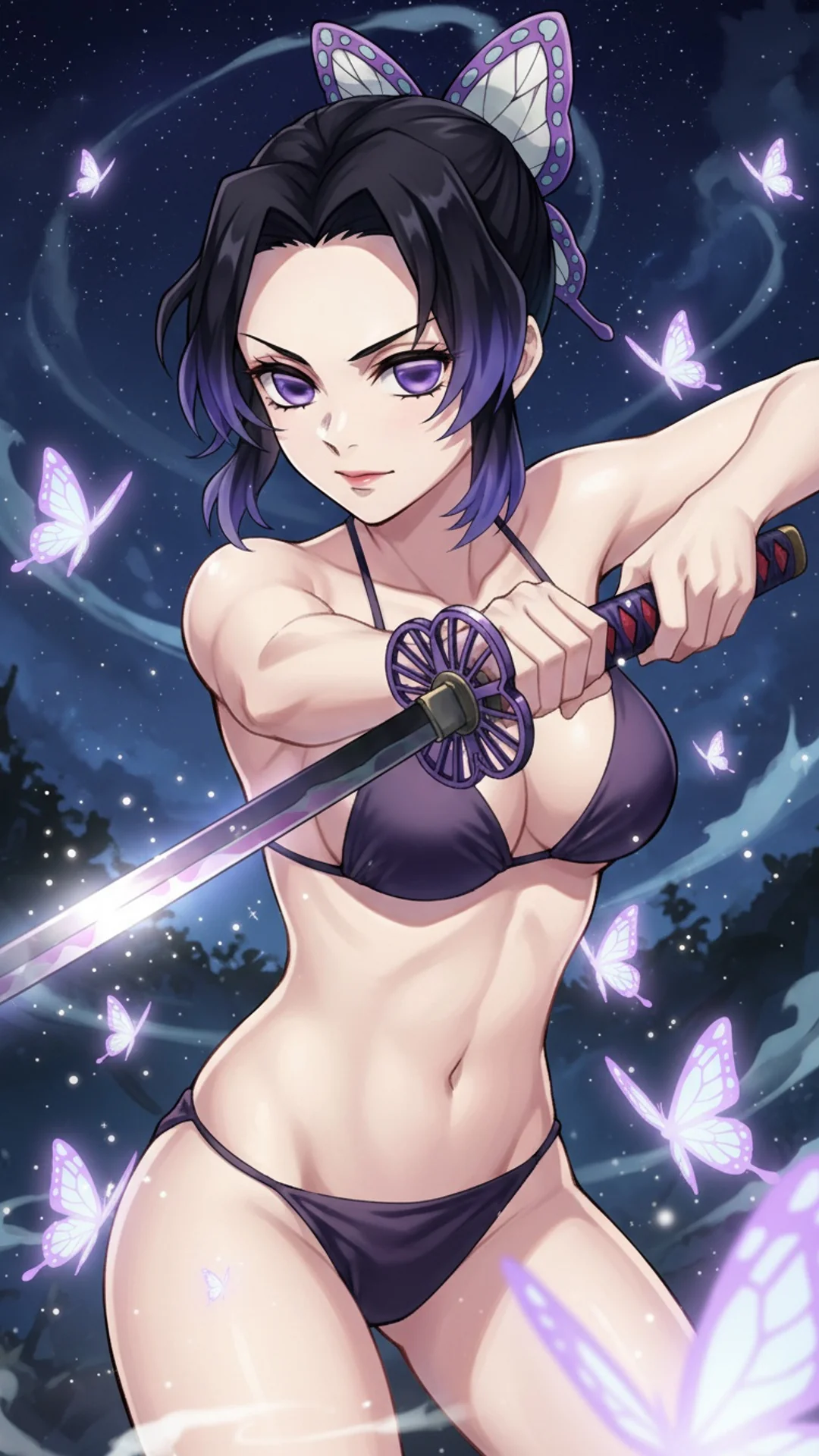
Boarding the train, the trio find Kyojuro happily devouring bento boxes. He deduces Nezuko is hidden in Tanjiro's box and, when asked about Hinokami Kagura, admits he knows nothing of it before cheerfully offering to take all three as his apprentices. He outlines the five core breathing styles, Flame, Water, Wind, Stone, and Thunder, from which others branch. When the conductor's odd manner and a foul scent give away a threat, Kyojuro cuts down one massive demon with the First Form, Unknowing Fire, then a second with the Second Form, Rising Scorching Sun.
The dream takes hold
Once the passengers are asleep, the conductor, working for the demon, begs for the reward he was promised. A disembodied hand lulls him under, then directs four children to tie ropes to the sleeping slayers. Tanjiro finds himself walking through snow into a warm reunion with his mother and siblings, breaking down as he embraces them. Atop the locomotive, Enmu explains that humans are driven by fragile spiritual cores, and that destroying those cores will kill the slayers as they sink ever deeper into sleep.
Notes
The two eyecatchers recreate a chapter cover and an end panel from the source. In the adaptation Kyojuro battles two demons on the train rather than the single one he faces in the manga. Tanjiro's dream is also reordered, appearing first here instead of last and extended with a brief sequence of him on guard in his slayer uniform before the dream shifts him into his old clothing.
Related Reading
See all
Demon Slayer Infinity Castle Is the Biggest Anime Movie Ever but It Still Lost in Japan
Demon Slayer: Infinity Castle earned $778 million globally and nearly 40 billion yen in Japan, but it still couldn't top Mugen Train's domestic record. Here's why that barely matters....
Super Saiyan Pubes: The Song About Where Super Saiyan Hair Actually Goes
The transformation everyone knows, the follow-up question nobody would touch. Why we made a smooth R&B track about the golden glow Dragon Ball never talks about....

Frequently Asked Questions
What happens in Deep Sleep, episode 28 of Demon Slayer?
In Deep Sleep, Tanjiro, Zenitsu, and Inosuke finally meet the Flame Hashira Kyojuro Rengoku aboard the Mugen Train and watch him destroy two demons with ease. As night falls, Lower Rank One Enmu casts a spell that pulls all the passengers and slayers into deep, inescapable dreams, trapping Tanjiro in a vision of his lost family.
Who does the trio meet on the Mugen Train in Demon Slayer episode 28?
In Deep Sleep, the trio board the train and find the Flame Hashira Kyojuro Rengoku happily devouring bento boxes. He deduces Nezuko is hidden in Tanjiro's box and cheerfully offers to take all three as his apprentices.
Which demon puts everyone to sleep in Demon Slayer episode 28?
In Deep Sleep, Lower Rank One Enmu is the hidden enemy who casts a spell that lulls every passenger and slayer into slumber. Atop the locomotive, Enmu explains that humans are driven by fragile spiritual cores and that destroying those cores will kill the slayers as they sink deeper into sleep.
What breathing forms does Kyojuro use in Demon Slayer episode 28?
In Deep Sleep, Kyojuro Rengoku cuts down one massive demon with the First Form, Unknowing Fire, then a second with the Second Form, Rising Scorching Sun. He also outlines the five core breathing styles: Flame, Water, Wind, Stone, and Thunder, from which others branch.
How does Demon Slayer episode 28 differ from the manga?
In the adaptation of Deep Sleep, Kyojuro battles two demons on the train rather than the single one he faces in the manga. Tanjiro's dream is also reordered, appearing first instead of last and extended with a brief sequence of him on guard in his slayer uniform before the dream shifts him into his old clothing.
Sources & Information
Looking for more on Deep Sleep? The Demon Slayer Wiki on Fandom has a dedicated page with community notes.
View on FandomThis content is original writing by Daddy Jim Headquarters based on the Demon Slayer anime series, manga, and official materials. Episode and chapter references are cited where applicable.
Character and scene imagery on this site is original artwork by Daddy Jim Headquarters, not screenshots or licensed imagery. Official cover art is used on three types of pages for editorial commentary:
- Movie pages: theatrical posters and key visuals, credited to ufotable and Aniplex.
- Game pages: official box art, credited to Sega, Aniplex, and other publishers.
- Manga chapter pages: Jump Comics volume covers, credited to Shueisha and Koyoharu Gotouge.
Official resources:
Help Us Keep This Wiki Accurate
Daddy Jim Headquarters maintains this encyclopedia. If you spot an error, a translation issue, or something that doesn't look right, let us know.