Muichiro saves Kotetsu and chooses to rescue the trapped swordsmiths, while Tanjiro, Nezuko, and Genya fight Hantengu's four split bodies. The battle grinds on as the siblings are eventually buried and Mitsuri races toward the embattled village.
Summary
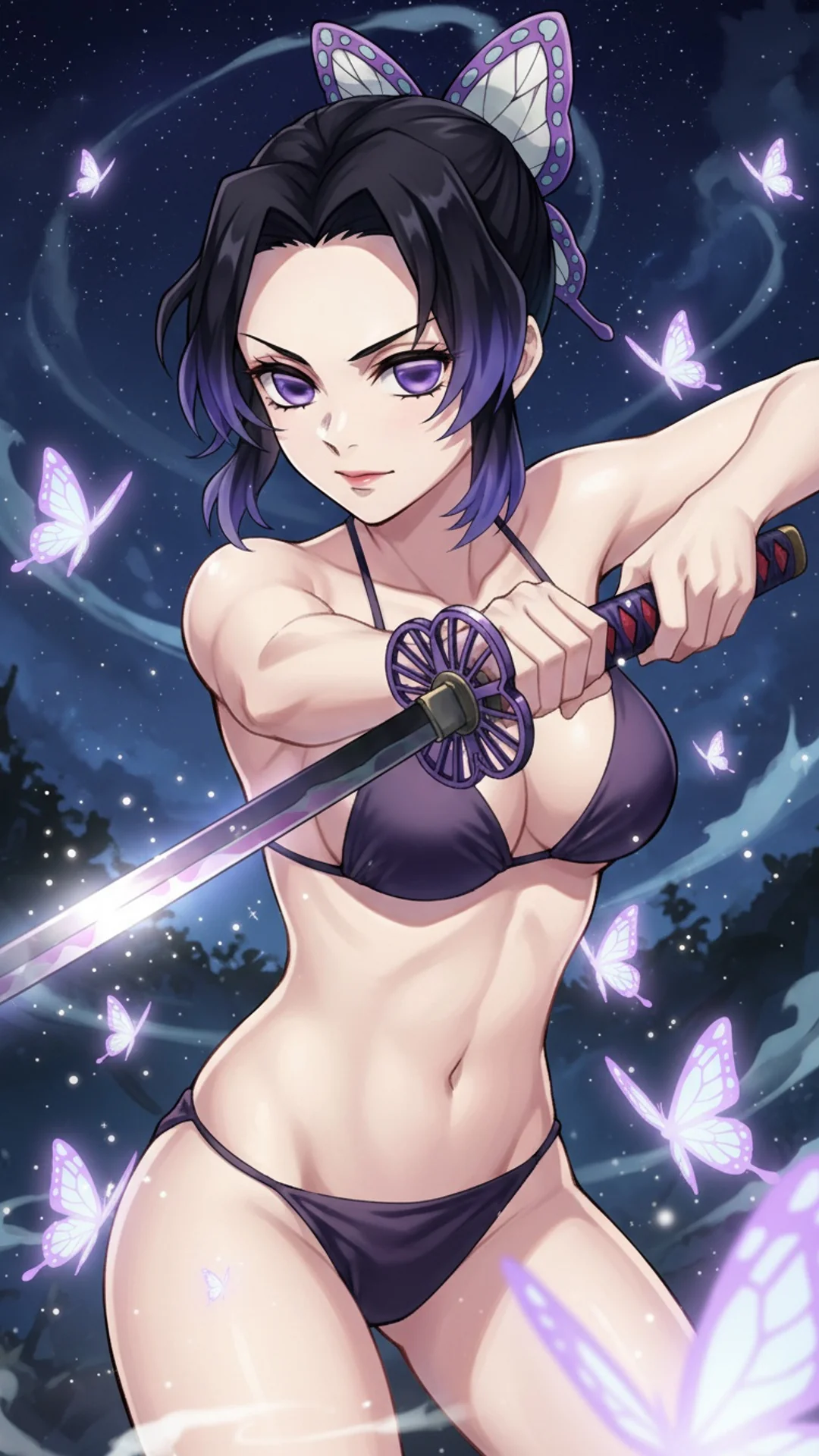
The 48th anime episode and fourth of the third season covers chapters 108 through 112, taking its name from chapter 108. After cutting down the goldfish demon menacing Kotetsu, Muichiro is begged by the boy to save Kanamori and Haganezuka rather than rush back to the village, and the words of Kagaya Ubuyashiki convince him to do so. Elsewhere, Tanjiro presses a brutal solo fight against the winged manifestation of joy, while Nezuko and a wounded Genya struggle against the demons of pleasure, anger, and sorrow. The four split forms share their strength and prove nearly impossible to put down.


Key Events
Muichiro's choice
Muichiro destroys the vessel mounted on the goldfish creature, confirming it was created through a Blood Demon Art. Recalling his leader's faith in him, he hoists Kotetsu onto his shoulder and speeds off to reach Kozo and Hotaru, trusting that saving them will not doom the settlement.
The shared power
Tanjiro notices each demon carries an emotion etched on its tongue and that wounding one weakens them all. He endures a relentless aerial assault from the joy manifestation, repeatedly cutting through its head only to watch it regrow.
Buried beneath the ruins
Genya recites a sutra and severs Sekido's hand, while Nezuko burns Karaku with Exploding Blood and turns the demon's own fan against him. Tanjiro uses the winged demon's momentum to crash back to his siblings, but Karaku levels the structure with a downburst, dropping the unconscious group through the floor as Mitsuri hurries to the village under attack.
Notes
The two eyecatchers recreate the covers of chapters 109 and 110. The anime expands several beats from the source: Muichiro watches the fish demon heal before striking the vase, the winged demon slashes Tanjiro six separate times before he retaliates rather than once, and Genya taunts the sorrow manifestation by declaring he alone will be its opponent. The closing sequence also shows several rampaging fish demons in the village where the manga depicts only one.
Related Reading
See all
Demon Slayer Infinity Castle Is the Biggest Anime Movie Ever but It Still Lost in Japan
Demon Slayer: Infinity Castle earned $778 million globally and nearly 40 billion yen in Japan, but it still couldn't top Mugen Train's domestic record. Here's why that barely matters....
Super Saiyan Pubes: The Song About Where Super Saiyan Hair Actually Goes
The transformation everyone knows, the follow-up question nobody would touch. Why we made a smooth R&B track about the golden glow Dragon Ball never talks about....

Frequently Asked Questions
What is Demon Slayer episode 48, Thank You, Tokito, about?
Thank You, Tokito is the 48th anime episode of Demon Slayer and the fourth of the third season. Muichiro saves Kotetsu and chooses to rescue the trapped swordsmiths, while Tanjiro, Nezuko, and Genya fight Hantengu's four split bodies.
What season is Demon Slayer episode 48 Thank You, Tokito from?
Thank You, Tokito is from season 3 of Demon Slayer, part of the Swordsmith Village Arc. It is the fourth episode of that season and episode 48 overall.
What chapters does Demon Slayer episode 48 cover?
Demon Slayer episode 48, Thank You, Tokito, covers chapters 108 through 112 of the manga. Its title is taken from chapter 108.
What choice does Muichiro make in Thank You, Tokito?
In Thank You, Tokito, Muichiro destroys the vessel on the goldfish demon and is begged by Kotetsu to save Kanamori and Haganezuka rather than rush back to the village. Recalling Kagaya Ubuyashiki's faith in him, Muichiro hoists Kotetsu onto his shoulder and speeds off to reach Kozo and Hotaru.
How do Tanjiro and his siblings end up buried in episode 48 of Demon Slayer?
In Thank You, Tokito, Genya severs Sekido's hand and Nezuko burns Karaku with Exploding Blood, turning the demon's fan against him. Tanjiro crashes back to his siblings, but Karaku levels the structure with a downburst, dropping the unconscious group through the floor as Mitsuri hurries toward the village.
Sources & Information
Looking for more on Thank You, Tokito? The Demon Slayer Wiki on Fandom has a dedicated page with community notes.
View on FandomThis content is original writing by Daddy Jim Headquarters based on the Demon Slayer anime series, manga, and official materials. Episode and chapter references are cited where applicable.
Character and scene imagery on this site is original artwork by Daddy Jim Headquarters, not screenshots or licensed imagery. Official cover art is used on three types of pages for editorial commentary:
- Movie pages: theatrical posters and key visuals, credited to ufotable and Aniplex.
- Game pages: official box art, credited to Sega, Aniplex, and other publishers.
- Manga chapter pages: Jump Comics volume covers, credited to Shueisha and Koyoharu Gotouge.
Official resources:
Help Us Keep This Wiki Accurate
Daddy Jim Headquarters maintains this encyclopedia. If you spot an error, a translation issue, or something that doesn't look right, let us know.