A late Stand Alone Complex episode where Section 9 digs through corrupt records to expose whoever has been steering the Laughing Man affair. As Aramaki dodges a frame-up, a wounded Kusanagi walks into a trap that only the Laughing Man himself can spring her from.
Main Characters (4)
Summary
The DEA's chief lands in custody on a murder charge tied to the assault on the Sunflower Society building. Aramaki directs Section 9 to comb through every record on file, hunting for whoever has been orchestrating the strikes against the unit and testing whether the same party engineered the Laughing Man affair. As he leaves the building, he shares an elevator with former prime minister Kanzaki, who quietly warns that the leading suspect enjoys powerful allies and deep ties to the navy.

Key Events
The surviving members of the Narcotic Suppression Squad try to pin drug trafficking on Aramaki, baiting him into a refugee district, but the plot unravels when Batou pulls the chief clear before the police can close in. At the same time, Kusanagi arranges to mend her prosthetic body, badly wrecked in a clash with the government's newest prototype weapon, expecting nothing more than a straightforward transfer into a fresh shell.
Related Reading
See all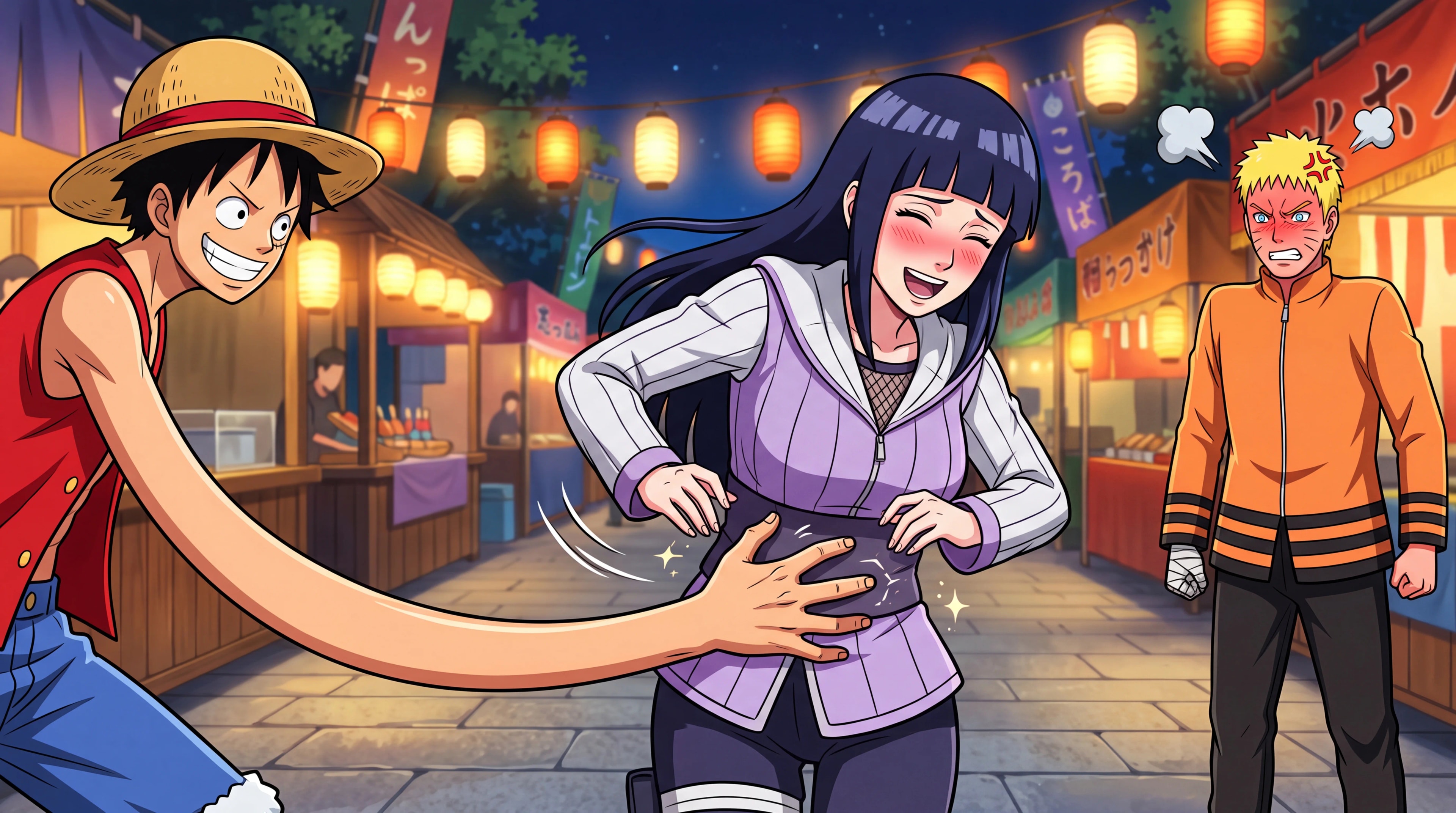
Naruto vs Luffy: Does the Fight Change if Luffy Tickles Hinata?
Naruto vs Luffy with the twist nobody asked for: Luffy tickled Hinata on date night, and she kind of liked it. We break down the whole fight and commit to a winner....
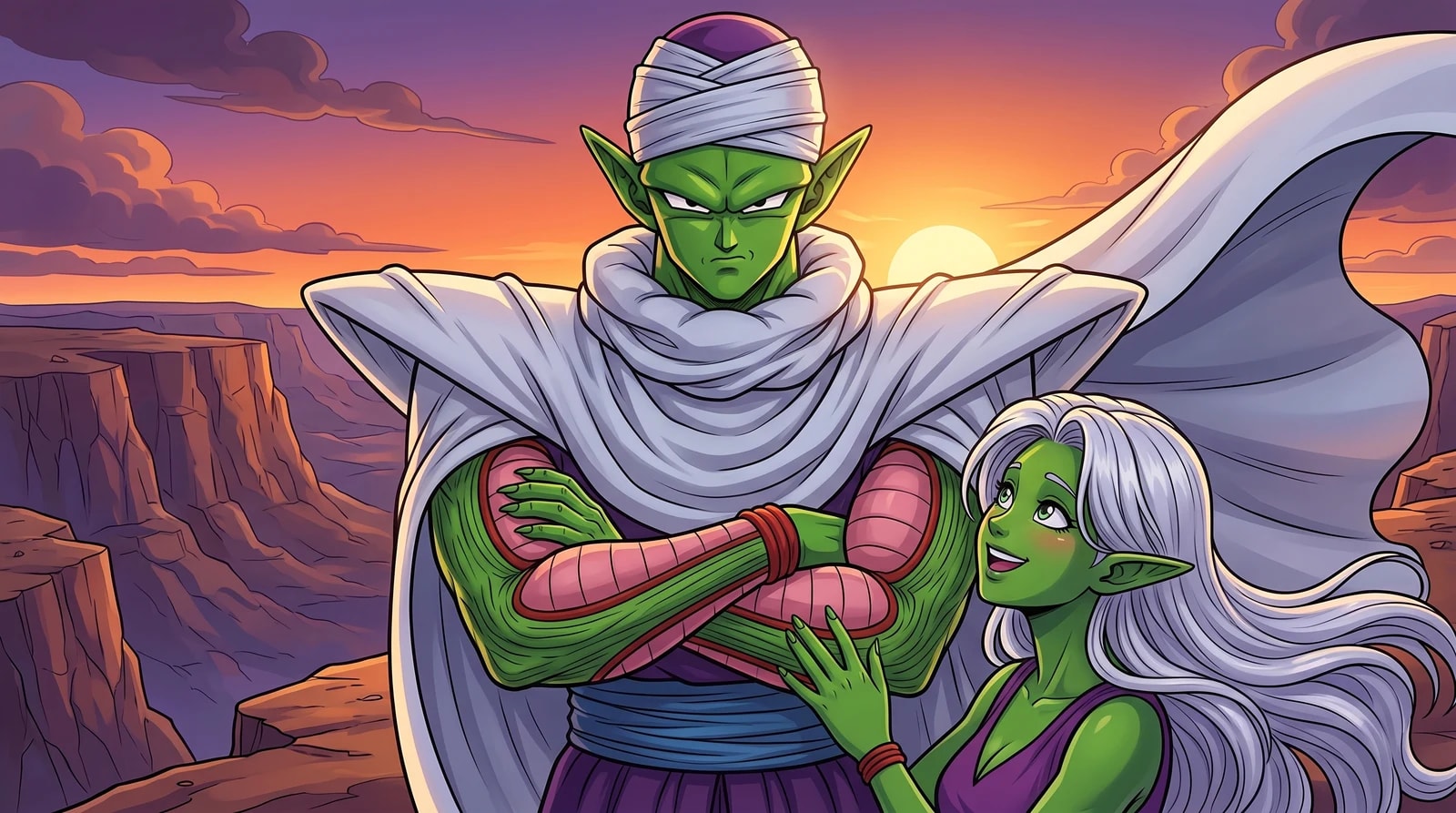
Namek Has No Women, and Piccolo Pulls Anyway
There are no women on Namek. That isn't an oversight, it's the biology. Why we handed Piccolo the one thing his own species rules out, and why it had to be trap soul....
Notes
That routine procedure turns deadly, since the physician overseeing it is secretly an NSS agent sent to kill her. With her death seemingly assured, the Laughing Man intervenes, and in return for her cooperation he completes the swap and saves her. The Major muses that immature people yearn to perish grandly for a cause, whereas the mature settle for living humbly toward one. The episode carries the subtitle SCANDAL and first aired in Japan on February 25, 2003, with the English broadcast on April 10, 2005.
Frequently Asked Questions
What happened to Motoko Kusanagi in Corporate Graft?
In Corporate Graft, Motoko Kusanagi's prosthetic body is badly damaged in a clash with a government prototype weapon. During what should be a routine shell transfer, the overseeing physician turns out to be a secret NSS agent sent to kill her, and she survives only because the Laughing Man intervenes and completes the transfer in exchange for her cooperation.
What is Corporate Graft about in Ghost in the Shell: Stand Alone Complex?
Corporate Graft is the twenty-second episode of Ghost in the Shell: Stand Alone Complex, in which Section 9 digs through corrupt records to uncover who has been orchestrating the attacks tied to the Laughing Man affair.
Why is Daisuke Aramaki targeted in Corporate Graft?
In Corporate Graft, surviving members of the Narcotic Suppression Squad try to frame Daisuke Aramaki for drug trafficking by luring him into a refugee district, but the plot fails when Batou pulls him clear before police arrive.
What does the Major say about people who die for a cause?
Reflecting on the events of Corporate Graft, the Major remarks that immature people wish to die grandly for a cause, while mature people are content to live humbly for one.
When did Corporate Graft first air?
Corporate Graft first aired in Japan on February 25, 2003, with the English broadcast following on April 10, 2005.
Sources & Information
Looking for more on Corporate Graft? The Ghost in the Shell Wiki on Fandom has a dedicated page with community notes.
View on FandomThis content is original writing by Daddy Jim Headquarters based on the Ghost in the Shell anime series, manga, and official materials. Ghost in the Shell was created by Masamune Shirow, published by Kodansha, and animated by Production I.G. All rights to Ghost in the Shell and its characters belong to their respective owners. Episode and chapter references are cited where applicable.
Rights holders
- Created byMasamune Shirow
- Published byKodansha
- Animated byProduction I.G
All rights belong to their respective owners.
Character and scene imagery on this site is original artwork by Daddy Jim Headquarters, not screenshots or licensed imagery. Official cover art is used on three types of pages for editorial commentary:
- Movie pages: theatrical posters and key visuals, credited to Production I.G and Kodansha.
- Game pages: official box art, credited to the game's respective publishers.
- Manga chapter pages: volume covers, credited to Kodansha and Masamune Shirow.
Official resources:
Help Us Keep This Wiki Accurate
Daddy Jim Headquarters maintains this encyclopedia. If you spot an error, a translation issue, or something that doesn't look right, let us know.
