तात्सुओ हिगाशिनो
एनिमेटरजापानी स्टोरीबोर्डर जिन्होंने ड्रैगन बॉल और अन्य शुरुआती एनीमे प्रस्तुतियों में योगदान दिया। दृश्य योजना और स्टोरीबोर्डिंग में उनके काम ने उन्नीस सौ सत्तर और उन्नीस सौ अस्सी के दशक में श्रृंखला के दृश्य प्रवाह और गति को आकार देने में मदद की।
ड्रैगन बॉल स्टोरीबोर्डिंग
हिगाशिनो ने ड्रैगन बॉल एपिसोड उनचास के लिए स्टोरीबोर्ड प्रदान किए, जो मूल श्रृंखला के रन के दौरान दृश्य दिशा और गति में योगदान देता है। स्टोरीबोर्डर के रूप में उनके काम के लिए स्क्रिप्ट का दृश्य अनुक्रमों में अनुवाद करने, कैमरा कोण, चरित्र स्थान और दृश्य संक्रमण का निर्धारण करने की आवश्यकता थी जिसे निर्देशक एनीमेशन में निष्पादित करेंगे।

शुरुआती एनीमेशन करियर
संबंधित पठन
सभी देखें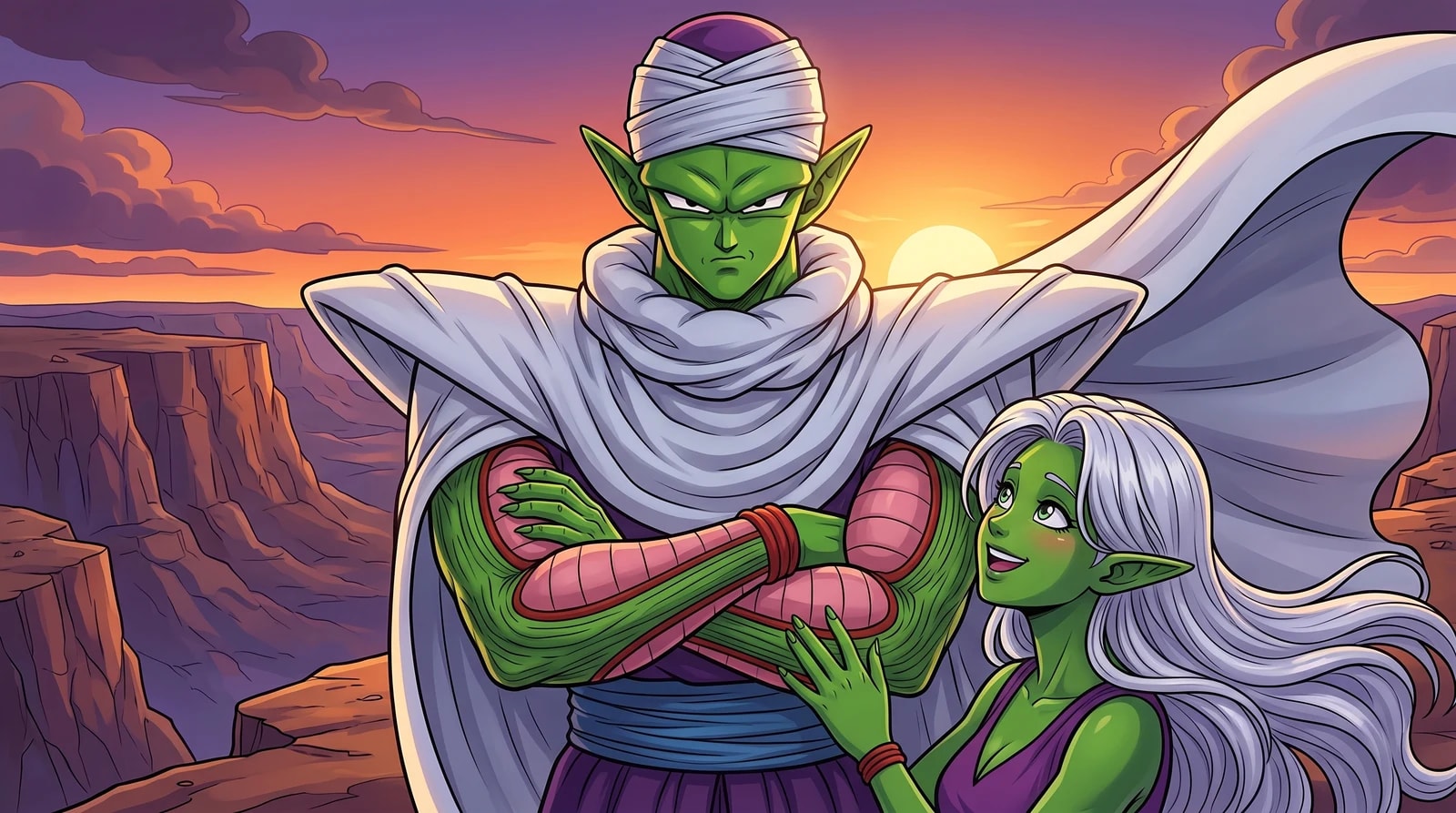
नामेक पर कोई महिला नहीं है, और फिर भी पिकोलो लड़कियाँ पटा लेता है
नामेक पर कोई महिला नहीं है। यह कोई चूक नहीं है, यह उनका जीव विज्ञान है। हमने पिक्कोलो को वह चीज़ क्यों दी जो उसकी अपनी प्रजाति में है ही नहीं, और इसके लिए ट्रैप सोल को क्यों चुना...
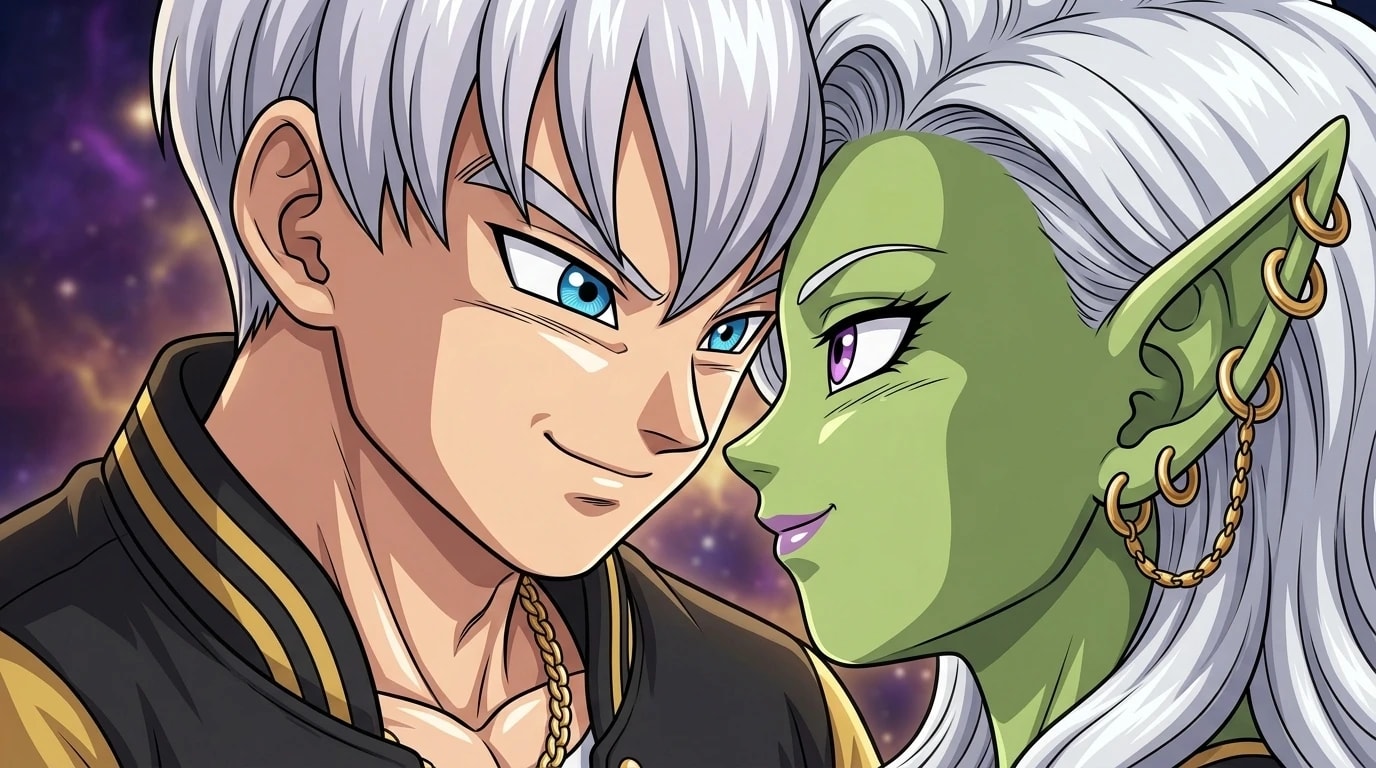
हज़ार बार: जॉन ड्रैगन बॉल यह किसके लिए गा रहा है?
ड्रैगन बॉल ने हमें बिना किसी इतिहास का एक नायक दिया और इंटरनेट ने उसका नाम जॉन ड्रैगन बॉल रख दिया। इसलिए हमने उसके बात करने के लिए एक किरदार बनाया....

अक्सर पूछे जाने वाले प्रश्न
ड्रैगन बॉल में तात्सुओ हिगाशिनो कौन हैं?
जापानी स्टोरीबोर्ड कलाकार जिन्होंने ड्रैगन बॉल और अन्य शुरुआती एनीमे प्रस्तुतियों में योगदान दिया। दृश्य योजना और स्टोरीबोर्डिंग में उनके काम ने 1970 और 1980 के दशक में श्रृंखला के दृश्य प्रवाह और गति को आकार देने में मदद की।
ड्रैगन बॉल में तात्सुओ हिगाशिनो को किस लिए जाना जाता है?
हिगाशिनो ने ड्रैगन बॉल एपिसोड 49 के लिए स्टोरीबोर्ड प्रदान किए, मूल श्रृंखला के प्रसारण के दौरान दृश्य निर्देशन और गति में योगदान दिया। स्टोरीबोर्ड कलाकार के रूप में उनके काम के लिए स्क्रिप्ट को दृश्य अनुक्रमों में अनुवाद करना, कैमरा कोण, चरित्र प्लेसमेंट, और दृश्य संक्रमण निर्धारित करना आवश्यक था जिसे निर्देशक फिर एनीमेशन में निष्पादित करेंगे।
ड्रैगन बॉल में तात्सुओ हिगाशिनो क्या करते हैं?
तात्सुओ हिगाशिनो एक जापानी एनिमेटर हैं जिन्होंने ड्रैगन बॉल फ्रैंचाइज़ी पर काम किया है। विशेष रूप से, तात्सुओ हिगाशिनो को ड्रैगन बॉल और शुरुआती एनीमे श्रृंखलाओं के लिए स्टोरीबोर्ड कलाकार के रूप में श्रेय दिया गया है।
तात्सुओ हिगाशिनो ने ड्रैगन बॉल के बाहर कौन सा अन्य काम किया है?
हिगाशिनो ने गो-क्यू-चोजी इकिमान, कोम्पोरा किड, और सिल्वर फैंग सहित शुरुआती एनीमे प्रस्तुतियों में काम किया, एनीमे की मूलभूत अवधि के दौरान स्टोरीबोर्डिंग पेशे में खुद को स्थापित किया। ड्रैगन बॉल में उनके योगदान ने उन्हें उस शुरुआती टीम के भीतर रखा जिसने फ्रैंचाइज़ी की दृश्य भाषा का निर्माण किया।
तात्सुओ हिगाशिनो कहां से हैं?
तात्सुओ हिगाशिनो एक जापानी एनिमेटर हैं। जापानी स्टोरीबोर्ड कलाकार जिन्होंने ड्रैगन बॉल और अन्य शुरुआती एनीमे प्रस्तुतियों में योगदान दिया।
स्रोत और जानकारी
तात्सुओ हिगाशिनो के बारे में और जानना चाहते हैं? Fandom पर ड्रैगन बॉल विकी में इनका पूरा पेज और कम्युनिटी नोट्स हैं।
Fandom पर देखेंयह सामग्री डैडी जिम मुख्यालय द्वारा ड्रैगन बॉल एनीमे सीरीज़, मांगा और आधिकारिक सामग्रियों के आधार पर लिखी गई है। जहाँ लागू हो, वहाँ एपिसोड और चैप्टर संदर्भ दिए गए हैं।
अधिकार धारक
- रचयिताAkira Toriyama
- प्रकाशकShueisha
- एनिमेशनToei Animation
सभी अधिकार संबंधित स्वामियों के पास हैं।
इस साइट पर पात्रों और दृश्यों की इमेज डैडी जिम मुख्यालय की मूल कलाकृति है, स्क्रीनशॉट या लाइसेंस प्राप्त इमेज नहीं। आधिकारिक कवर आर्ट तीन प्रकार के पेजों पर संपादकीय टिप्पणी के लिए उपयोग की जाती है:
- फिल्म पेज: थिएटर पोस्टर और मुख्य विज़ुअल, Toei Animation और Shueisha को श्रेय।
- गेम पेज: आधिकारिक बॉक्स आर्ट, Bandai Namco, Atari और अन्य प्रकाशकों को श्रेय।
- मांगा चैप्टर पेज: Jump Comics वॉल्यूम कवर, Shueisha और Akira Toriyama को श्रेय।
हमारे एपिसोड गाइड देखें:
आधिकारिक संसाधन:
इस विकी को सटीक रखने में मदद करें
डैडी जिम मुख्यालय इस विश्वकोश को संभालता है। अगर आपको कोई गलती, अनुवाद की समस्या या कुछ गड़बड़ लगे, तो हमें बताएं।