Pocha Pocha no Mi
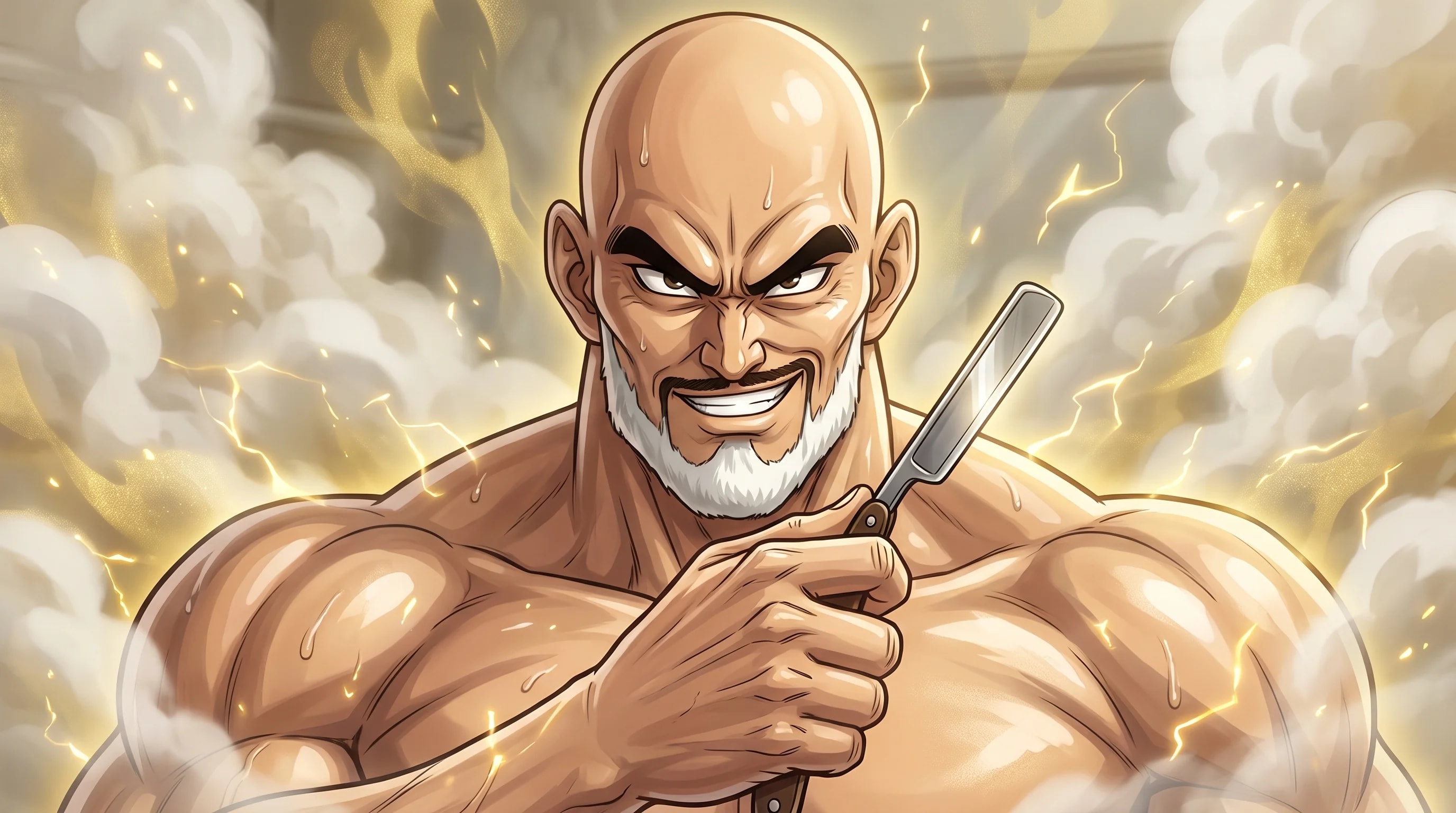
CharacterIntroduced in a One Piece Premier Show, this non-canon Paramecia lets its owner pile excess fat onto enemies, turning them obese and sluggish. Eaten by Neiro, it can even bog down the boneless Brook while hardening the user's own frame.
Overview
This Paramecia comes from the live-stage One Piece Premier Show 2017 and sits outside the official canon. Its owner, Neiro, becomes a Flab Human, gaining control over body fat. The Japanese name is a cute sound word meaning chubby or plump.
Neiro used the fruit against the Straw Hat crew during the stage production, the only setting in which it has appeared.
Mechanics
The power governs both Neiro's own fat and that of his opponents. Its chief strength is shutting enemies down by making them obese, which drains their mobility and athletic ability, and it works even on a target without flesh such as the skeletal Brook. Turning the trick on himself, Neiro can instead strip away his own fat to harden and reinforce his body for better defense.
The main vulnerability is that the added fat burns off readily through a fast metabolism and hard physical exertion, so an active foe can shed it. Otherwise the usual Devil Fruit limitations hold. His two named moves are the Cholesterol Ring Attack, which fattens opponents, and the Cholesterol Ring Rebound, which sheds his own fat to forge a body of steel.
Notable Users
Neiro is the sole eater, using the ability to lock down opponents and toughen himself in combat. The fruit is noted as resembling the canonical Sube Sube no Mi, since both can strip the user's body fat away.
Related Reading
See all
The Most Popular Women of One Piece: A Fan's Journey Through Anime's Greatest Female Characters...
When I first decided to commit to watching One Piece seriously, I knew I was embarking on one of anime's longest and most beloved series. With over 100...
Super Saiyan Pubes: The Song About Where Super Saiyan Hair Actually Goes
The transformation everyone knows, the follow-up question nobody would touch. Why we made a smooth R&B track about the golden glow Dragon Ball never talks about....
Frequently Asked Questions
What is the Pocha Pocha no Mi?
The Pocha Pocha no Mi is a non-canon Paramecia Devil Fruit that lets its user control body fat, both their own and an opponent's. It debuted in the live stage production One Piece Premier Show 2017 and is eaten by the character Neiro.
Who uses the Pocha Pocha no Mi?
The Pocha Pocha no Mi is used by Neiro, who becomes a Flab Human capable of piling fat onto enemies or stripping it from his own body.
How does the Pocha Pocha no Mi work in battle?
The Pocha Pocha no Mi lets Neiro pile excess fat onto opponents, making them obese and draining their mobility, and it even works on the boneless skeleton Brook. Turned on himself, Neiro can instead strip away his own fat to harden and reinforce his body for defense.
What is the main weakness of the Pocha Pocha no Mi?
The fat added by the Pocha Pocha no Mi burns off readily through a fast metabolism and hard physical exertion, so an active opponent can shed the extra weight and recover mobility.
What are Neiro's named Pocha Pocha no Mi techniques?
Neiro's two named techniques are the Cholesterol Ring Attack, which fattens opponents, and the Cholesterol Ring Rebound, which sheds his own fat to forge a body of steel.
Sources & Information
Looking for more on Pocha Pocha no Mi? The One Piece Wiki on Fandom has a dedicated page with community notes.
View on FandomThis content is original writing by Daddy Jim Headquarters based on the One Piece anime series, manga, and official materials. Episode and chapter references are cited where applicable.
Character and scene imagery on this site is original artwork by Daddy Jim Headquarters, not screenshots or licensed imagery. Official cover art is used on three types of pages for editorial commentary:
- Movie pages: theatrical posters and key visuals, credited to Toei Animation and Toei Company.
- Game pages: official box art for the One Piece console and mobile games, credited to Bandai Namco.
- Manga chapter pages: Jump Comics volume covers, credited to Shueisha and Eiichiro Oda.
Official resources:
Help Us Keep This Wiki Accurate
Daddy Jim Headquarters maintains this encyclopedia. If you spot an error, a translation issue, or something that doesn't look right, let us know.