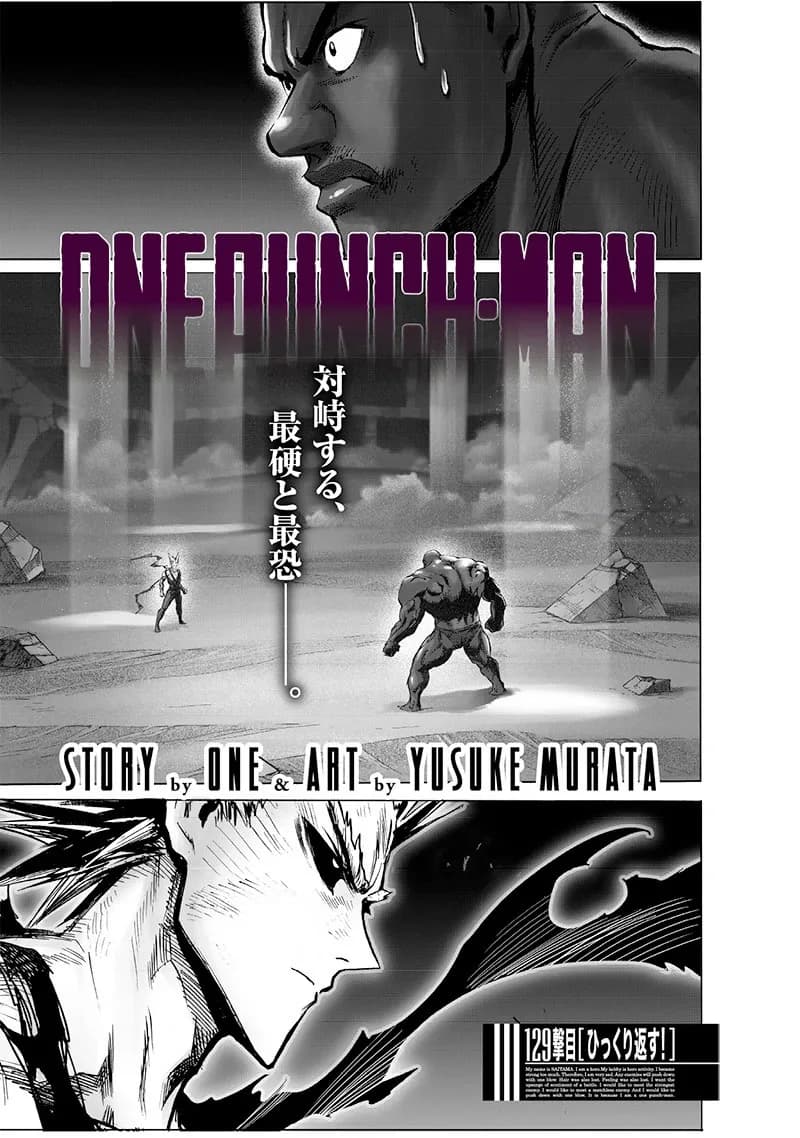
Garou keeps grinding down Superalloy Darkshine, whose remembered climb from frail child to unbreakable hero unravels as buried fear resurfaces, until Tatsumaki lifts the shaken hero to safety and he tells his tormentor to flee.
Main Characters (4)
Summary
Garou presses his beating of Superalloy Darkshine, weaving past a punch and landing a strike that leaves the hero coughing up blood. As Garou mocks him, Darkshine can only look back in fear, and the narration turns to his past. As a boy he was a sickly weakling, shut out of sports and unable to find any confidence in himself. For his fifteenth birthday his parents gave him a set of three-kilogram dumbbells, which he lifted daily, adding weight over time until what he could raise grew beyond measure. That progress finally gave him the self-belief he had lacked, and he went on to join the Hero Association, forever hunting an opponent who could test him to his absolute limit.
Under Garou's relentless attack, Darkshine grasps a hard truth: he never truly wanted a genuine fight, only one that would hand him a satisfying win. The moment the thought of being hurt enters his mind, the long-buried fear rushes back and swallows him. He flails out in panic and knocks Garou away, but dark spirals seal the wound and Garou is up again at once. A kick to the gut drops Darkshine, a follow-up pins him down, and when Garou moves to strike his ears the hero yelps in terror, so Garou pulls back, dismissing the beating as mere bullying, a small and pathetic cruelty beneath what he means to become.
Then Garou's joints begin to crack and the dark markings on his body creep toward his face. A psychic shield from Tatsumaki wraps around Darkshine and hoists him upward just as the ceiling caves in, leaving Garou below among the falling debris. Rising away, Darkshine tells him to run, and as Garou vanishes from view he bows his head in shame.

Key Events
Garou dominates Superalloy Darkshine and reduces him to fear, prompting a recap of the hero's rise from a frail child to an immeasurably strong fighter. Darkshine realizes he only ever sought easy victories, and his revived terror lets Garou overwhelm him before Garou dismisses the fight as bullying. Tatsumaki's barrier rescues Darkshine as the ceiling collapses, and he urges Garou to flee.
Related Reading
See all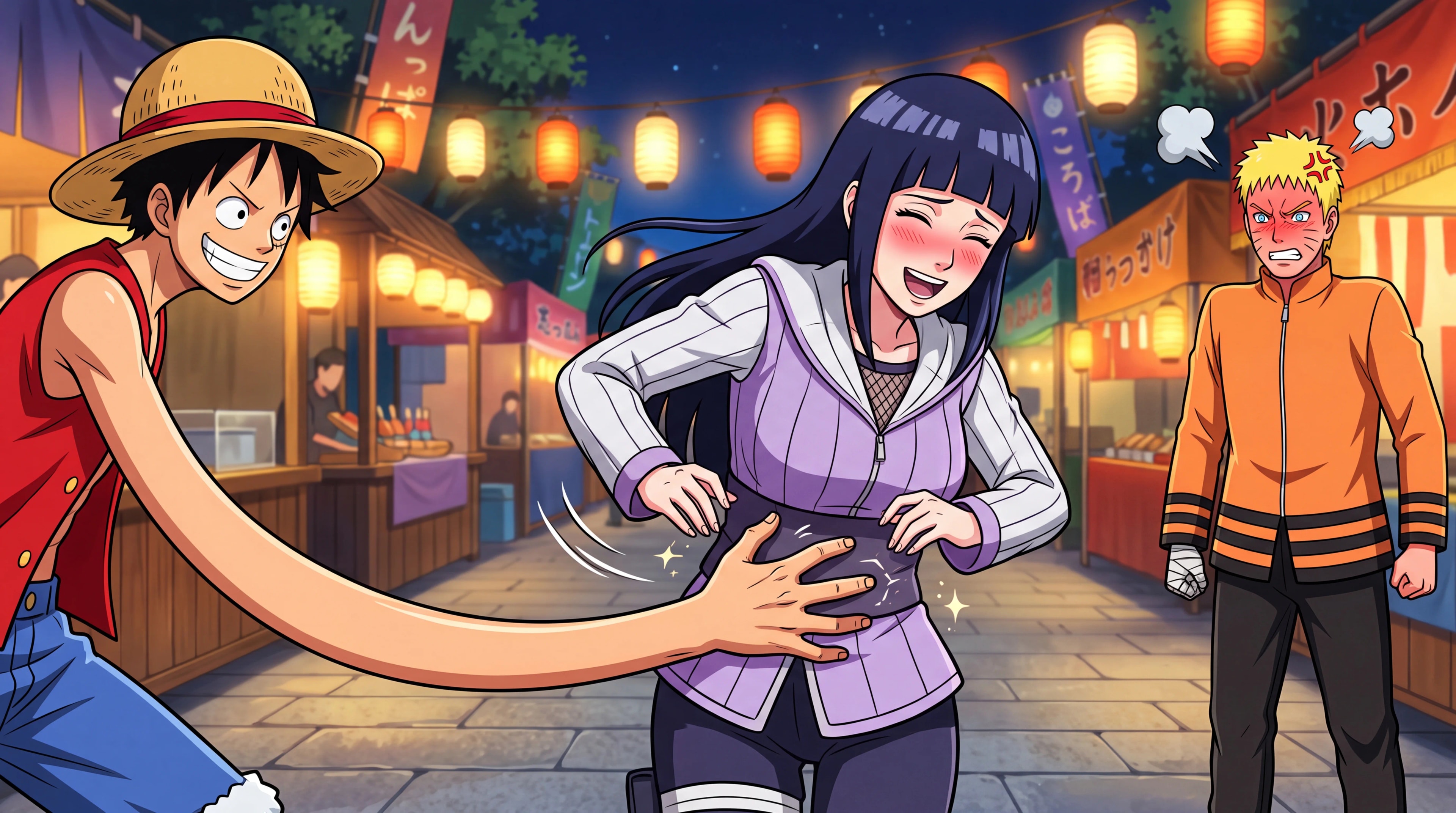
Naruto vs Luffy: Does the Fight Change if Luffy Tickles Hinata?
Naruto vs Luffy with the twist nobody asked for: Luffy tickled Hinata on date night, and she kind of liked it. We break down the whole fight and commit to a winner....
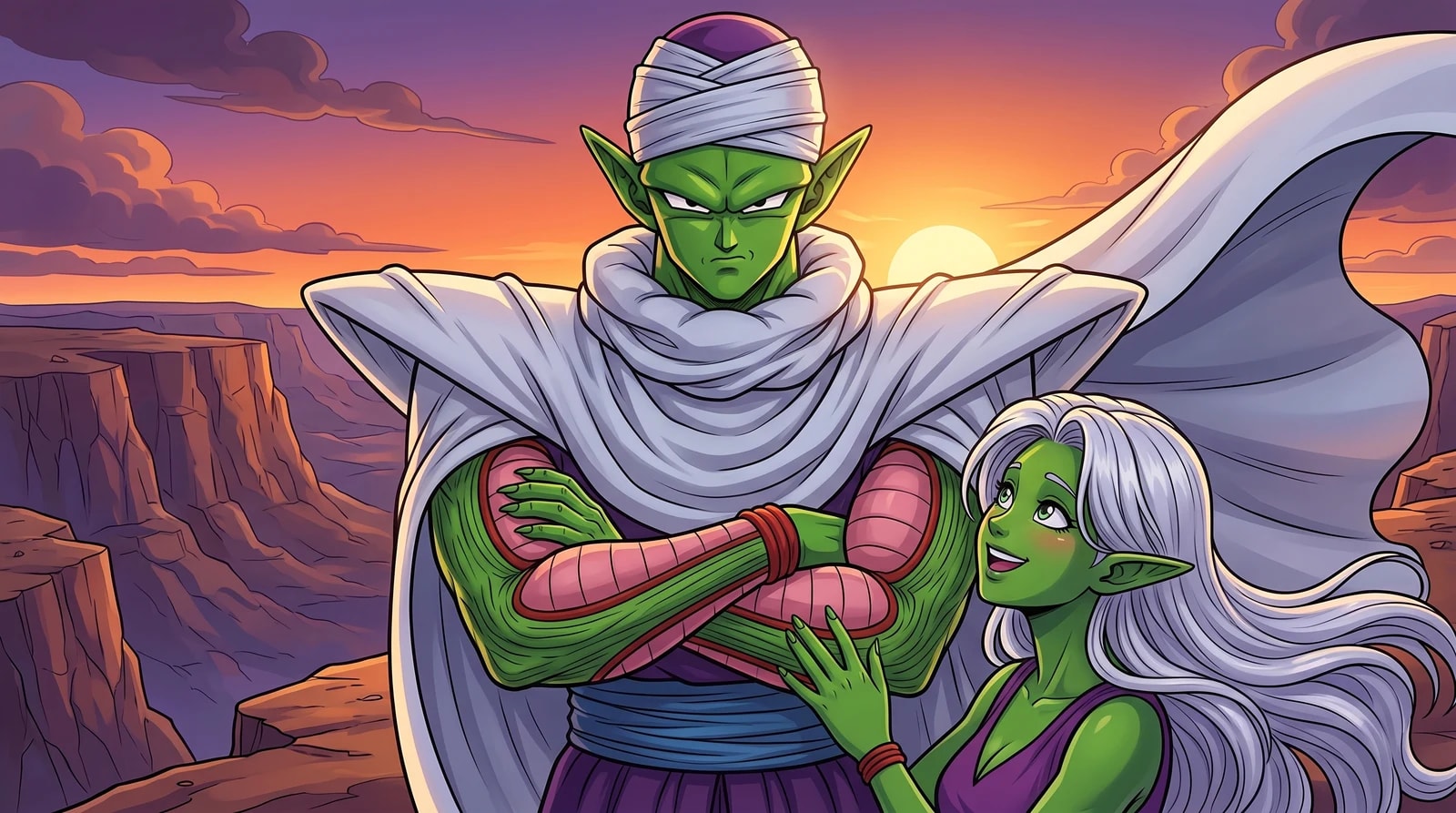
Namek Has No Women, and Piccolo Pulls Anyway
There are no women on Namek. That isn't an oversight, it's the biology. Why we handed Piccolo the one thing his own species rules out, and why it had to be trap soul....
Frequently Asked Questions
What backstory is revealed about Superalloy Darkshine in this chapter?
The chapter reveals Superalloy Darkshine was a sickly, weak child excluded from sports, who gained self-belief after his parents gave him three-kilogram dumbbells for his fifteenth birthday and he trained until his strength grew beyond measure.
What realization does Darkshine have while fighting Garou?
Under Garou's relentless attack, Darkshine realizes he never truly wanted a genuine fight, only one that would hand him a satisfying win, and his long-buried fear resurfaces.
Why does Garou stop attacking Darkshine?
When Darkshine yelps in terror at a strike aimed at his ears, Garou pulls back and dismisses the beating as mere bullying, calling it beneath what he means to become.
How does Tatsumaki save Superalloy Darkshine?
As Garou's body begins transforming further and the ceiling caves in, Tatsumaki wraps a psychic barrier around Darkshine and hoists him to safety.
When was Chapter 129 (Online) released?
Chapter 129 (Online) released on March 24, 2020, within the Monster Association Arc, with Garou and Superalloy Darkshine on its cover.
Sources & Information
Looking for more on Chapter 129 (Online)? The One-Punch Man Wiki on Fandom has a dedicated page with community notes.
View on FandomThis content is original writing by Daddy Jim Headquarters based on the One-Punch Man anime series, manga, and official materials. One-Punch Man was created by ONE and Yusuke Murata, published by Shueisha, and animated by J.C.Staff and Madhouse. All rights to One-Punch Man and its characters belong to their respective owners. Episode and chapter references are cited where applicable.
Rights holders
All rights belong to their respective owners.
Character and scene imagery on this site is original artwork by Daddy Jim Headquarters, not screenshots or licensed imagery. Official cover art is used on three types of pages for editorial commentary:
- Movie pages: theatrical posters and key visuals, credited to J.C.Staff, Madhouse and Shueisha.
- Game pages: official box art, credited to the game's respective publishers.
- Manga chapter pages: volume covers, credited to Shueisha and ONE and Yusuke Murata.
Official resources:
Help Us Keep This Wiki Accurate
Daddy Jim Headquarters maintains this encyclopedia. If you spot an error, a translation issue, or something that doesn't look right, let us know.
