The Metal Bat traces Garou's childhood grudge against a world that always sides with the good guys, then throws Metal Bat into a punishing gauntlet of centipede monsters. As the hero fights for a VIP's safety, a recovered Garou closes in for a new target.
Summary
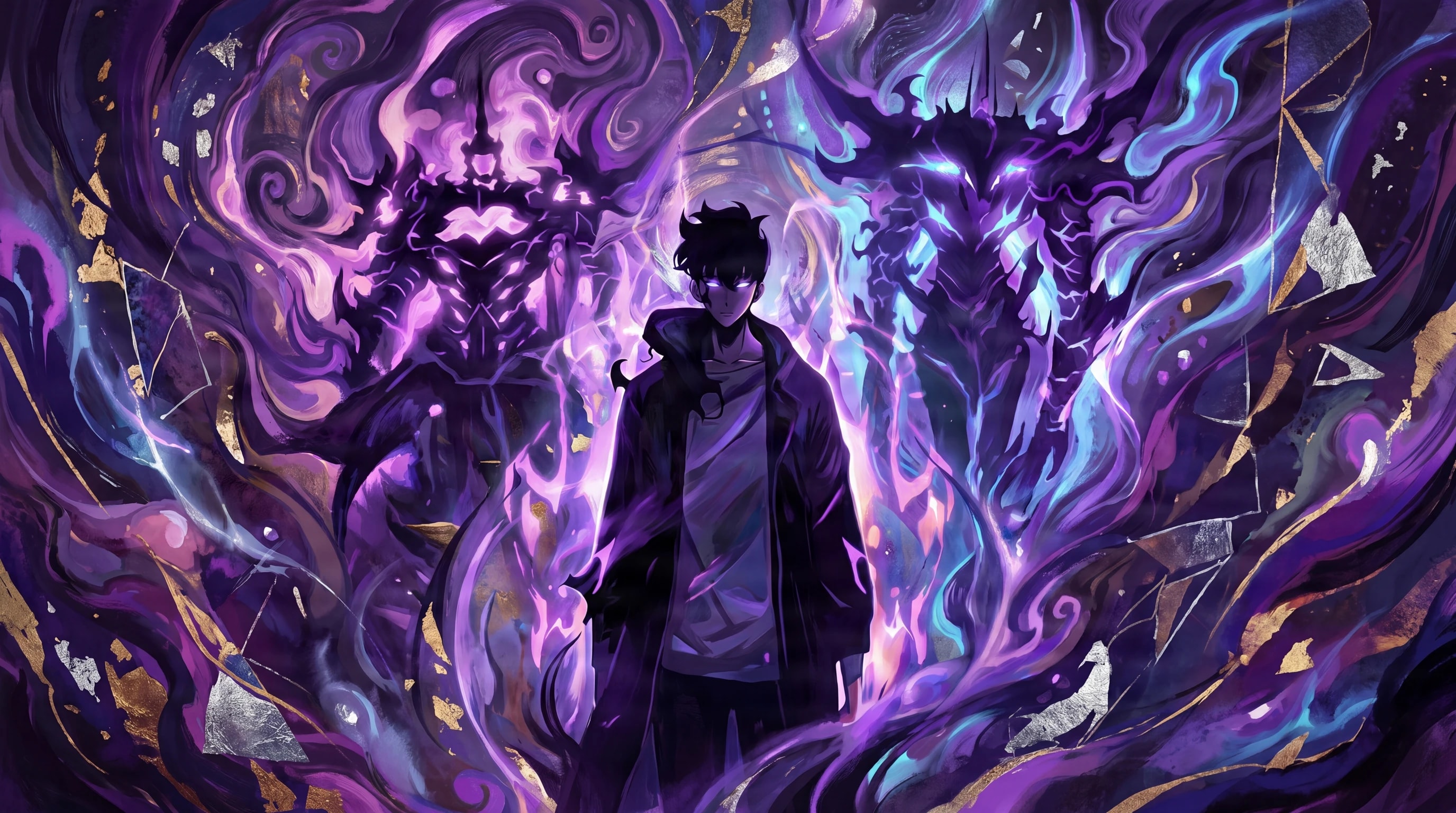
A flashback shows a young Garou always rooting for the villains, resenting how the monsters, the ones he saw fighting hardest, were doomed to lose simply for being labeled freaks. Determined to overturn that order, he vowed to become the strongest monster and never fall. In the present, he wakes from his defeat with no memory of it, reunites with Tareo, and marks Watchdog Man and Metal Bat as his next prey. At the Super Fight venue, Saitama registers under the Charanko disguise and meets Sour Face, a former Bang pupil who quit after Garou wrecked the dojo six months earlier. Learning that impostors now face disqualification and a heavy fine after a fraud the previous year, Saitama shrugs it off and vows to win, needling Sour Face for abandoning the dojo when Charanko at least stood up to Garou.
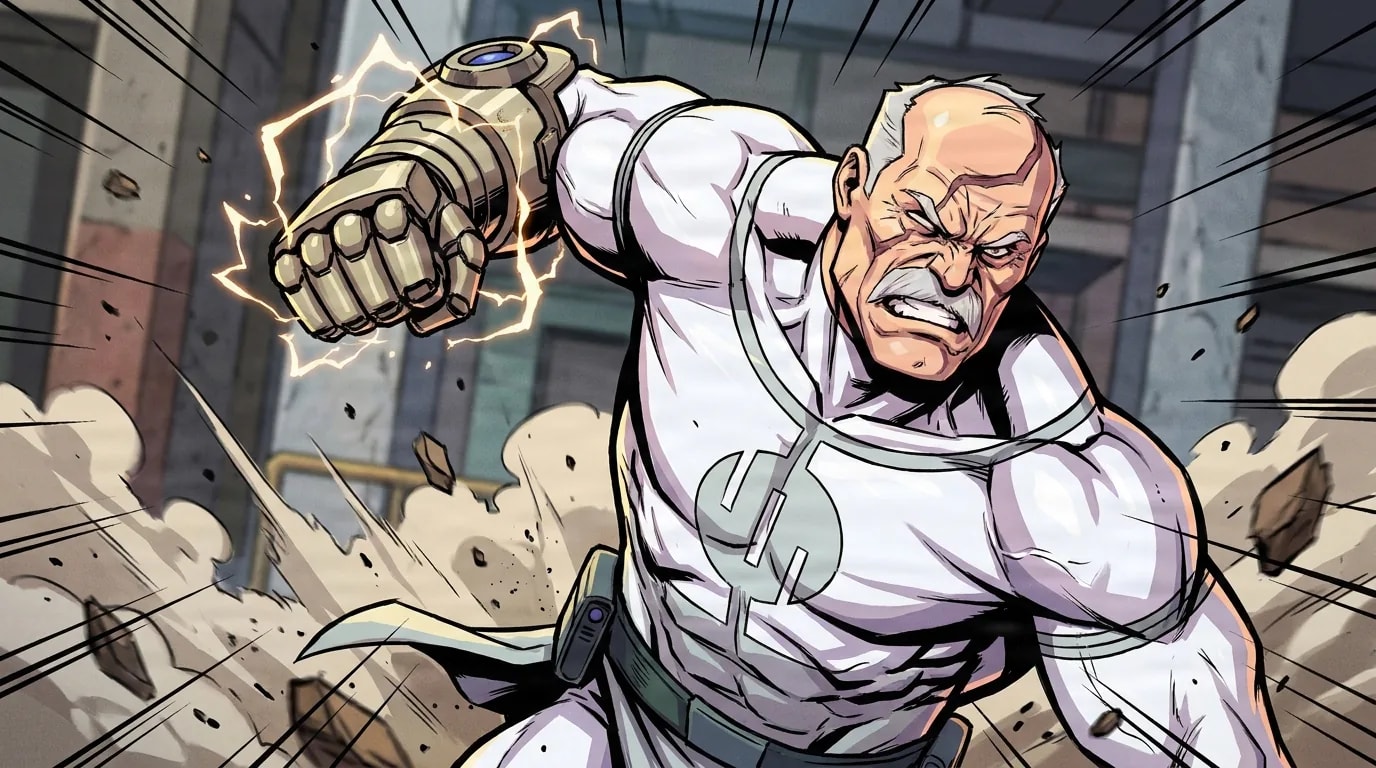
Meanwhile, the Hero Association assigns S-Class heroes to guard its officials, and King wriggles free by passing off his video-game boss as a real threat. Metal Bat is stuck minding the VIP sponsor Narinki and his son Waganma at a sushi restaurant instead of watching his sister's piano recital. When monsters strike, he cuts down Junior Centipede and Venus Mantrap, then endures Senior Centipede and Rafflesidon's sleeping gas, jolting himself awake by cracking his own skull to finish the Demon-level pair. As local heroes carry the VIPs to safety, the Dragon-level Elder Centipede batters Metal Bat and hurls him near Garou. Believing him dead, Garou moves on until Metal Bat rises, and the two square off as Metal Bat barely blocks the first strike. After the credits, the martial artist Suiryu heads toward the Super Fight tournament.

Key Events
Garou's origins and motivation are laid out through his childhood flashback, and he selects Metal Bat and Watchdog Man as new targets. Saitama enters the Super Fight tournament in disguise, Metal Bat survives a barrage of centipede monsters, and the arrival of Elder Centipede and Suiryu sets up the coming conflicts.
Notes
Garou's Justice Man flashback and his awakening in the trash were both relocated to this episode from the previous one. New scenes were added, including Charanko and Mumen Rider discussing Saitama on the hospital roof and Association workers dreading Elder Centipede by recalling its destructive battle with Blast two years earlier, while Suiryu is shown flirting on his way to the tournament.
Frequently Asked Questions
Is Metal Bat a bad guy?
No, Metal Bat is a Hero Association member. In Episode 16 he is assigned to guard the VIP sponsor Narinki and his son at a sushi restaurant, and he cuts down a string of centipede monsters to protect them.
Is Metal Bat dead in One Punch Man?
No. After the Dragon-level Elder Centipede batters him and hurls him near Garou, Garou believes Metal Bat is dead and starts to move on, but Metal Bat rises and the two square off.
Why did Metal Bat hit himself in One Punch Man?
Metal Bat cracks his own skull to jolt himself awake after being hit with Rafflesidon's sleeping gas, allowing him to finish off the Demon-level centipede pair before he collapses from exhaustion.
Who is the guy with the Metal Bat in One Punch Man?
He is Metal Bat, a Hero Association member assigned to protect the VIP sponsor Narinki and his son, Waganma, during a monster attack. He has a younger sister, Zenko, whose piano recital he misses to complete the assignment.
Who is Suiryu in One Punch Man?
Suiryu is a martial artist introduced at the end of Episode 16, shown heading toward the Super Fight tournament in the post-credits scene.
Sources & Information
Looking for more on The Metal Bat? The One-Punch Man Wiki on Fandom has a dedicated page with community notes.
View on FandomThis content is original writing by Daddy Jim Anime based on the One-Punch Man anime series, manga, and official materials. One-Punch Man was created by ONE and Yusuke Murata, published by Shueisha, and animated by J.C.Staff and Madhouse. All rights to One-Punch Man and its characters belong to their respective owners. Episode and chapter references are cited where applicable.
Rights holders
- Created byONE and Yusuke Murata
- Published byShueisha
- Animated byJ.C.Staff
- Animated byMadhouse
All rights belong to their respective owners.
Character and scene imagery on this site is original artwork by Daddy Jim Anime, not screenshots or licensed imagery. Official cover art is used on three types of pages for editorial commentary:
- Movie pages: theatrical posters and key visuals, credited to J.C.Staff, Madhouse and Shueisha.
- Game pages: official box art, credited to the game's respective publishers.
- Manga chapter pages: volume covers, credited to Shueisha and ONE and Yusuke Murata.
- Licensed imagery: Photographs of real people, including creators, voice actors and production staff, are used under licence from the rights holder or the applicable stock provider, or under the terms of a public licence permitting editorial use. Each such image is reproduced in its licensed form and remains the property of its owner.
- Exceptions: Limited exceptions to the practices described above may apply to individual entries. Where an exception applies, it is noted on the entry itself alongside the applicable attribution. Rights holders may contact us regarding any attribution and it will be reviewed promptly.
Official resources:
Help Us Keep This Wiki Accurate
Daddy Jim Anime maintains this encyclopedia. If you spot an error, a translation issue, or something that doesn't look right, let us know.