
Whip
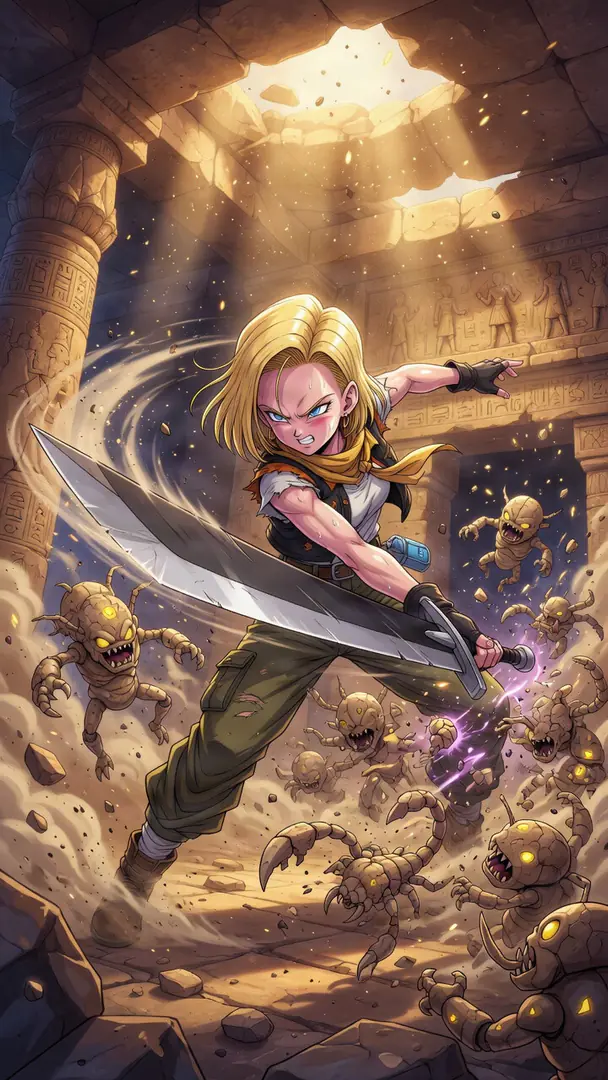
ItemA combat technique involving the use of whip-like extensions, whether formed from ki energy, body manipulation, or physical implements. Various characters throughout Dragon Ball use whip-style attacks to control range, restrain opponents, and deliver flexible, reaching strikes.
Whip-Style Combat
Whip techniques in Dragon Ball serve a niche role in a franchise dominated by energy blasts and close-range martial arts. Where most attacks fall into the categories of melee strikes or ranged ki blasts, whip-style techniques occupy a middle ground, providing reach that exceeds normal punching distance while maintaining a physical, tangible connection between the user and the impact point.
Several characters have demonstrated whip-like abilities through different means. Majin Buu's body manipulation allows him to stretch his limbs and tendrils to function as whips. Some fighters generate ki constructs in whip form, creating energy-based lashes that can cut and restrain. Others use physical whip weapons enhanced with ki for additional striking power.
The tactical value of whip techniques lies primarily in their ability to control space. A fighter wielding a whip can threaten a wider area than one relying on fists alone, forcing opponents to respect a larger danger zone. Whips can also wrap around limbs or weapons, providing grappling capability at range. However, in the high-speed, high-power combat typical of Dragon Ball's later arcs, whip techniques are generally supplementary tools rather than primary attack methods.

Frequently Asked Questions
What is the Whip?
A combat technique involving the use of whip-like extensions, whether formed from ki energy, body manipulation, or physical implements. Various characters throughout Dragon Ball use whip-style attacks to control range, restrain opponents, and deliver flexible, reaching strikes.
What does the Whip do?
A combat technique involving the use of whip-like extensions, whether formed from ki energy, body manipulation, or physical implements. Various characters throughout Dragon Ball use whip-style attacks to control range, restrain opponents, and deliver flexible, reaching strikes. The tactical value of whip techniques lies primarily in their ability to control space.
Who uses the Whip?
Others use physical whip weapons enhanced with ki for additional striking power. A combat technique involving the use of whip-like extensions, whether formed from ki energy, body manipulation, or physical implements.
What are some notable moments involving the Whip?
Whip techniques in Dragon Ball serve a niche role in a franchise dominated by energy blasts and close-range martial arts. Where most attacks fall into the categories of melee strikes or ranged ki blasts, whip-style techniques occupy a middle ground, providing reach that exceeds normal punching distance while maintaining a physical, tangible connection between the user and the impact point. Several characters have demonstrated whip-like abilities through different means.
Where does the Whip come from?
Whip techniques in Dragon Ball serve a niche role in a franchise dominated by energy blasts and close-range martial arts. Where most attacks fall into the categories of melee strikes or ranged ki blasts, whip-style techniques occupy a middle ground, providing reach that exceeds normal punching distance while maintaining a physical, tangible connection between the user and the impact point.

Sources & Information
Looking for more on Whip? The Dragon Ball Wiki on Fandom has a dedicated page with community notes.
View on FandomThis content is original writing by Daddy Jim Headquarters based on the Dragon Ball anime series, manga, and official materials. Episode and chapter references are cited where applicable.
Character and scene imagery on this site is original artwork by Daddy Jim Headquarters, not screenshots or licensed imagery. Official cover art is used on three types of pages for editorial commentary:
- Movie pages: theatrical posters and key visuals, credited to Toei Animation and Shueisha.
- Game pages: official box art, credited to Bandai Namco, Atari, and other publishers.
- Manga chapter pages: Jump Comics volume covers, credited to Shueisha and Akira Toriyama.
Browse our episode guides:
Official resources:
Help Us Keep This Wiki Accurate
Daddy Jim Headquarters maintains this encyclopedia. If you spot an error, a translation issue, or something that doesn't look right, let us know.