Minoru Maeda
AnimatorPioneering Japanese animator whose rounded, expressive character designs defined Dragon Ball and early Dragon Ball Z, serving as chief animation director and inspector of animation quality across both series.
Architect of Dragon Ball's Look
Minoru Maeda served as chief animator and primary character designer for Dragon Ball from its 1986 premiere through the Perfect Cell Saga of Dragon Ball Z in 1992, making him the single largest visual influence on the original anime adaptation. His rounded design aesthetic became synonymous with Dragon Ball's early charm, contrasting sharply with the more angular style Tadayoshi Yamamuro would later introduce. Maeda overseen nearly every aspect of the animation process, inspecting and approving key animation cels and stepping in as animator or supervisor when needed. He directed numerous episodes across both series and illustrated all promotional materials, character databooks, and film comic covers during his tenure.

Legacy and Later Work
Maeda began his animation career in 1968 at Studio Junio and became chief animation director for Dr. Slump before Dragon Ball. After leaving Studio Junio, he joined SynergySP, an animation studio founded in 1998 by former Toei animators. He expressed strong interest in returning to Dragon Ball if new projects were commissioned. Beyond Dragon Ball, Maeda contributed to classic anime including Doraemon, Lupin III, and Space Battleship Yamato.
Related Reading
See all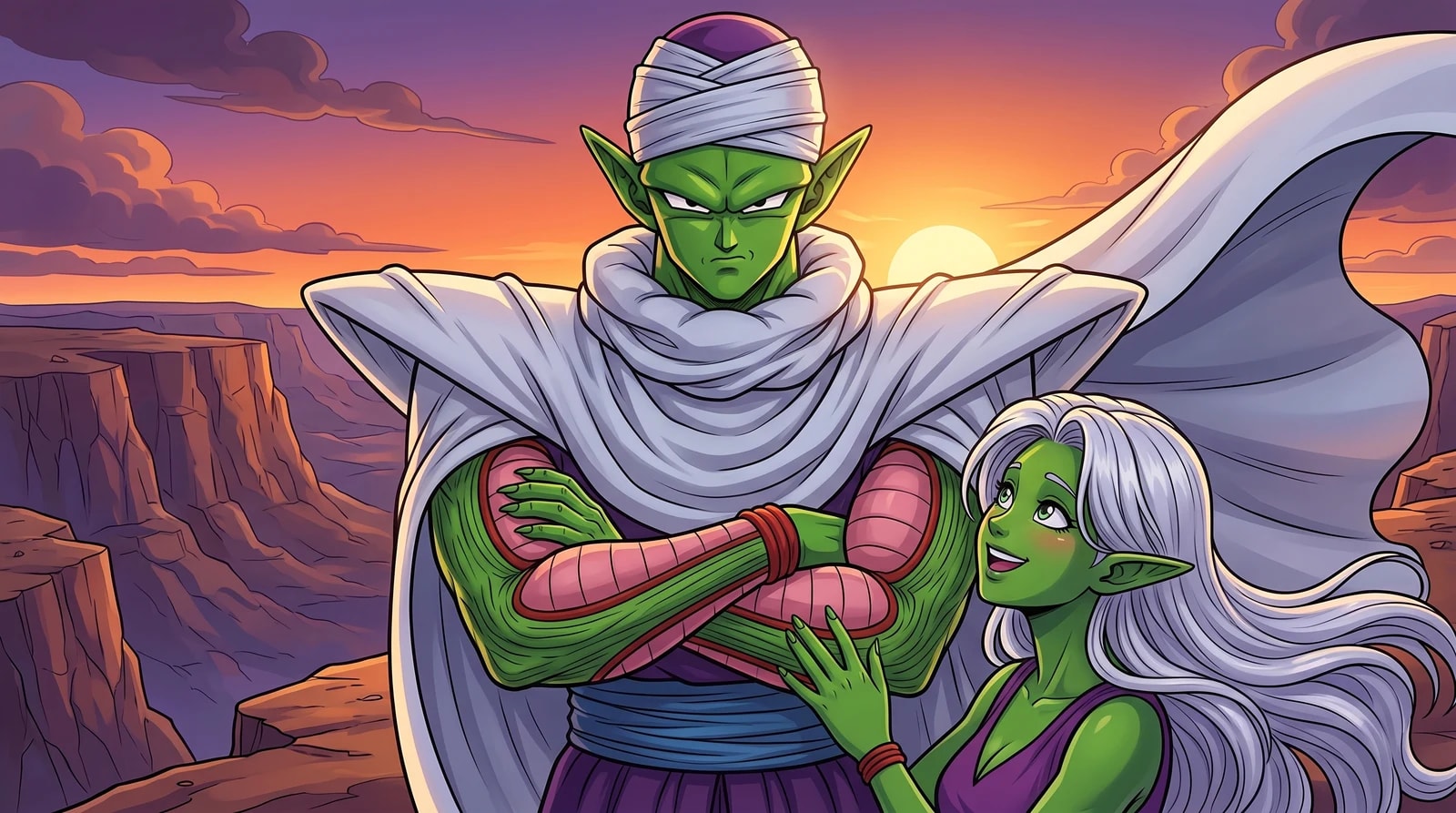
Namek Has No Women, and Piccolo Pulls Anyway
There are no women on Namek. That isn't an oversight, it's the biology. Why we handed Piccolo the one thing his own species rules out, and why it had to be trap soul....
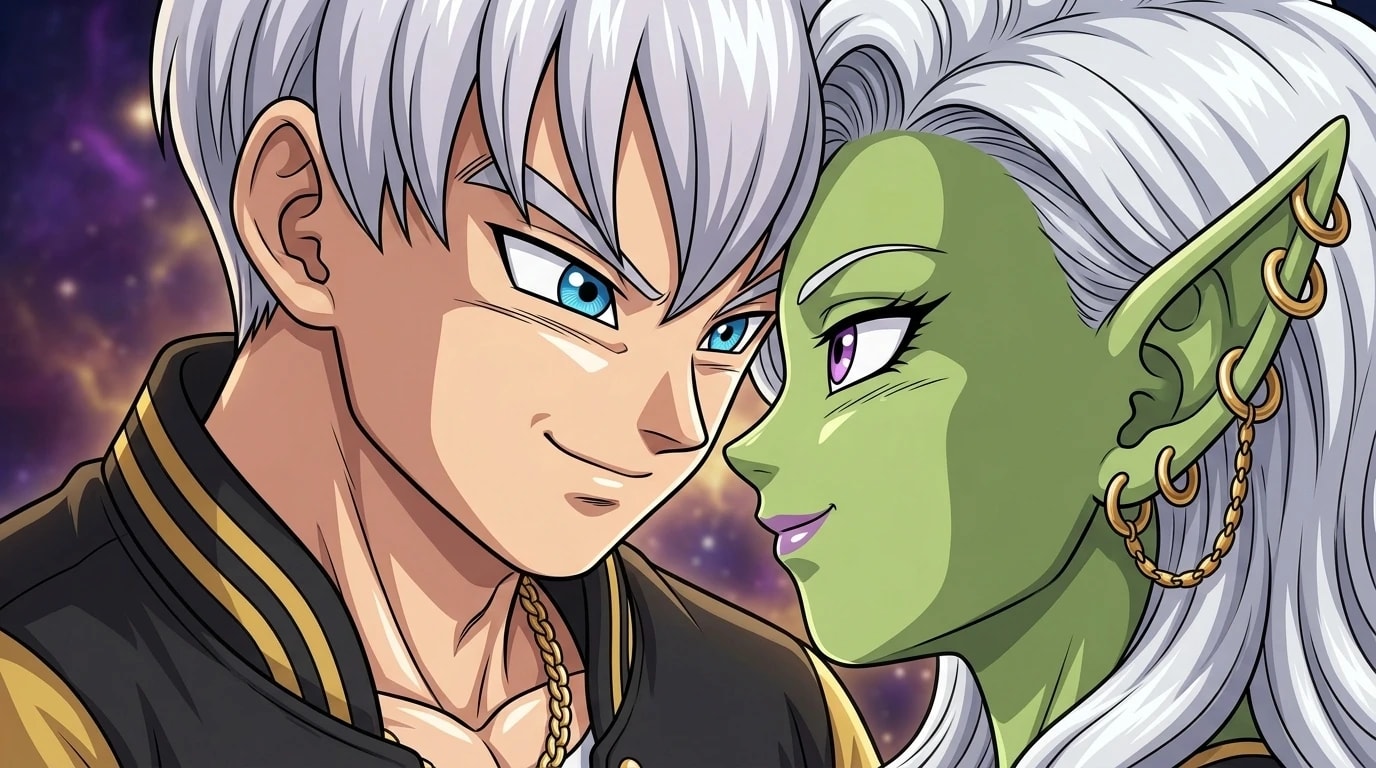
1000 Times Over: Who Is John Dragon Ball Singing To?
Dragon Ball handed us a protagonist with no history and the internet named him John Dragon Ball. So we built him somebody to talk to....
Frequently Asked Questions
Who is Minoru Maeda in Dragon Ball?
Minoru Maeda is a Japanese animation supervisor known as the Dragon Ball animation supervisor. Pioneering Japanese animator whose rounded, expressive character designs defined Dragon Ball and early Dragon Ball Z, serving as chief animation director and inspector of animation quality across both series.
What is Minoru Maeda's contribution to Dragon Ball?
Minoru Maeda served as chief animator and primary character designer for Dragon Ball from its 1986 premiere through the Perfect Cell Saga of Dragon Ball Z in 1992, making him the single largest visual influence on the original anime adaptation. His rounded design aesthetic became synonymous with Dragon Ball's early charm, contrasting sharply with the more angular style Tadayoshi Yamamuro would later introduce. Maeda overseen nearly every aspect of the animation process, inspecting and approving key animation cels and stepping in as animator or supervisor when needed. He directed numerous episodes across both series and illustrated all promotional materials, character databooks, and film comic covers during his tenure.
What nationality is Minoru Maeda?
Minoru Maeda is a Japanese animation supervisor associated with Dragon Ball.
When has Minoru Maeda been active in Dragon Ball?
Minoru Maeda has been active in the 1968-1992 period of the franchise. Pioneering Japanese animator whose rounded, expressive character designs defined Dragon Ball and early Dragon Ball Z, serving as chief animation director and inspector of animation quality across both series.
What else is Minoru Maeda known for?
Maeda began his animation career in 1968 at Studio Junio and became chief animation director for Dr. Slump before Dragon Ball. After leaving Studio Junio, he joined SynergySP, an animation studio founded in 1998 by former Toei animators. He expressed strong interest in returning to Dragon Ball if new projects were commissioned.
Sources & Information
Looking for more on Minoru Maeda? The Dragon Ball Wiki on Fandom has a dedicated page with community notes.
View on FandomThis content is original writing by Daddy Jim Headquarters based on the Dragon Ball anime series, manga, and official materials. Episode and chapter references are cited where applicable.
Rights holders
- Created byAkira Toriyama
- Published byShueisha
- Animated byToei Animation
All rights belong to their respective owners.
Character and scene imagery on this site is original artwork by Daddy Jim Headquarters, not screenshots or licensed imagery. Official cover art is used on three types of pages for editorial commentary:
- Movie pages: theatrical posters and key visuals, credited to Toei Animation and Shueisha.
- Game pages: official box art, credited to Bandai Namco, Atari, and other publishers.
- Manga chapter pages: Jump Comics volume covers, credited to Shueisha and Akira Toriyama.
Browse our episode guides:
Official resources:
Help Us Keep This Wiki Accurate
Daddy Jim Headquarters maintains this encyclopedia. If you spot an error, a translation issue, or something that doesn't look right, let us know.