Tatsuo Higashino
AnimatorJapanese storyboarder who contributed to Dragon Ball and other early anime productions. His work in visual planning and storyboarding helped shape the visual flow and pacing of series across the 1970s and 1980s.
Dragon Ball Storyboarding
Higashino provided storyboards for Dragon Ball episode 49, contributing to the visual direction and pacing during the original series' run. His work as storyboarder required translating scripts into visual sequences, determining camera angles, character placement, and scene transitions that directors would then execute in animation.

Early Animation Career
Higashino worked across early anime productions including Go-Q-Choji Ikkiman, Konpora Kid, and Silver Fang, establishing himself in the storyboarding profession during anime's foundational period. His contributions to Dragon Ball positioned him within the early team that built the visual language of the franchise.
Related Reading
See all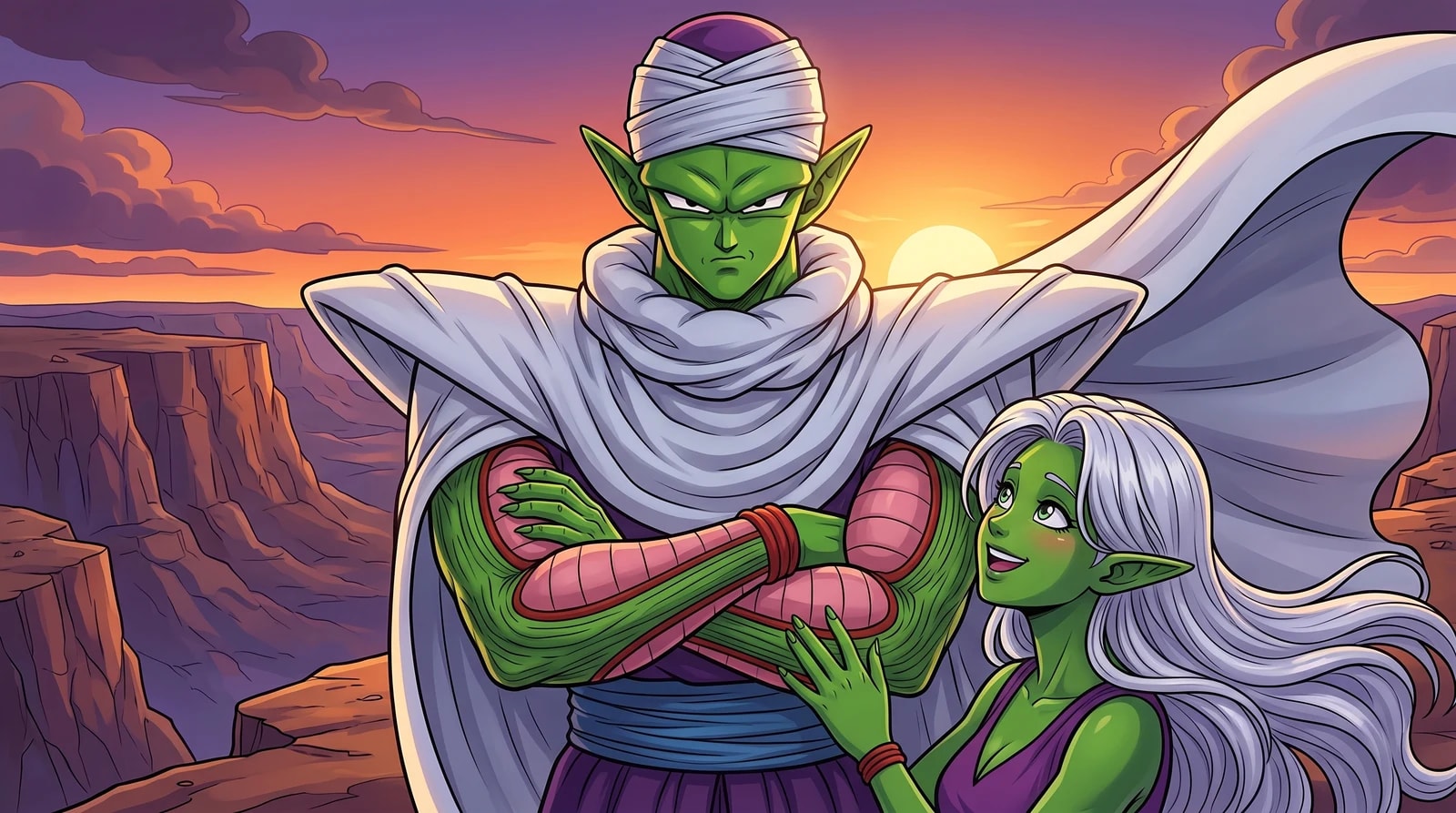
Namek Has No Women, and Piccolo Pulls Anyway
There are no women on Namek. That isn't an oversight, it's the biology. Why we handed Piccolo the one thing his own species rules out, and why it had to be trap soul....
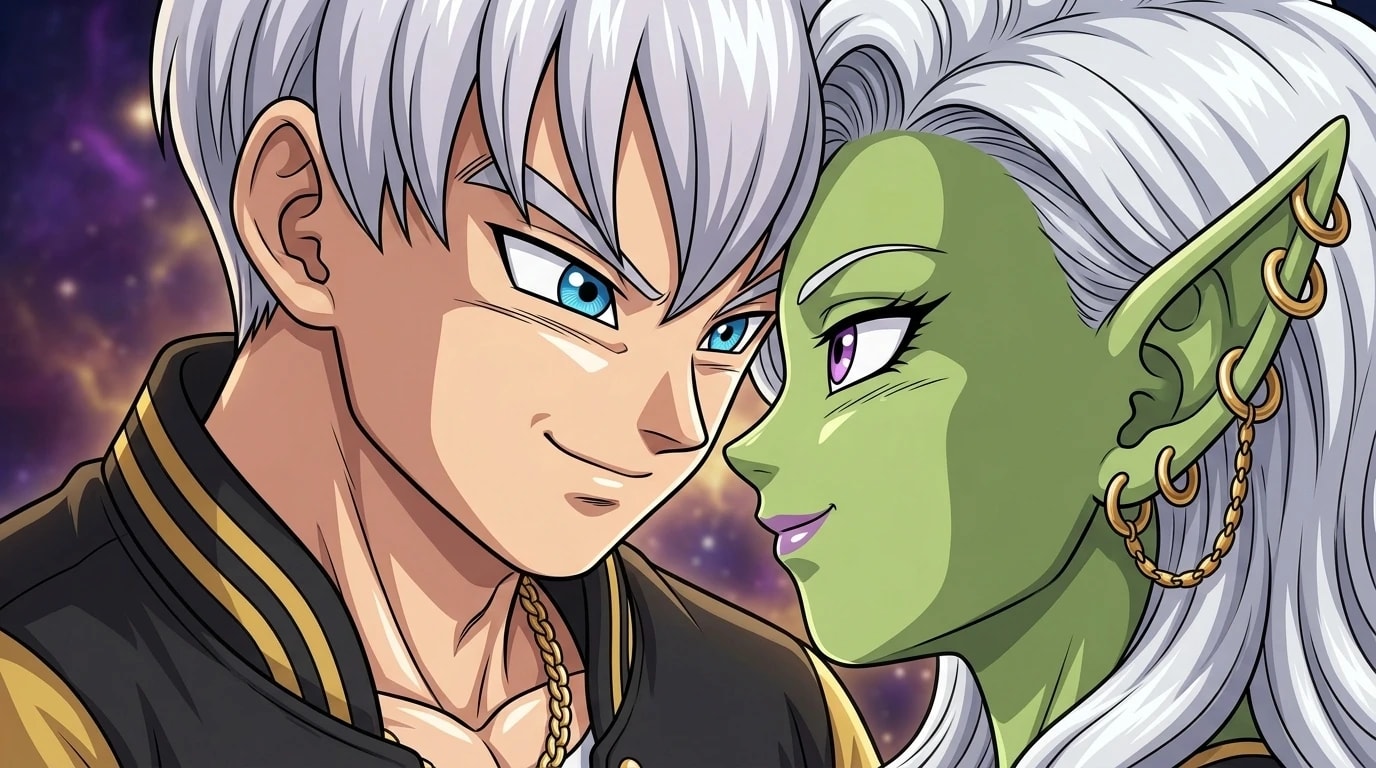
1000 Times Over: Who Is John Dragon Ball Singing To?
Dragon Ball handed us a protagonist with no history and the internet named him John Dragon Ball. So we built him somebody to talk to....

Frequently Asked Questions
Who is Tatsuo Higashino in Dragon Ball?
Japanese storyboarder who contributed to Dragon Ball and other early anime productions. His work in visual planning and storyboarding helped shape the visual flow and pacing of series across the 1970s and 1980s.
What is Tatsuo Higashino best known for in Dragon Ball?
Higashino provided storyboards for Dragon Ball episode 49, contributing to the visual direction and pacing during the original series' run. His work as storyboarder required translating scripts into visual sequences, determining camera angles, character placement, and scene transitions that directors would then execute in animation.
What does Tatsuo Higashino do in Dragon Ball?
Tatsuo Higashino is a Japanese animator who has worked on the Dragon Ball franchise. Specifically, Tatsuo Higashino is credited as Storyboarder for Dragon Ball and early anime series.
What other work has Tatsuo Higashino done outside Dragon Ball?
Higashino worked across early anime productions including Go-Q-Choji Ikkiman, Konpora Kid, and Silver Fang, establishing himself in the storyboarding profession during anime's foundational period. His contributions to Dragon Ball positioned him within the early team that built the visual language of the franchise.
Where is Tatsuo Higashino from?
Tatsuo Higashino is a Japanese animator. Japanese storyboarder who contributed to Dragon Ball and other early anime productions.
Sources & Information
Looking for more on Tatsuo Higashino? The Dragon Ball Wiki on Fandom has a dedicated page with community notes.
View on FandomThis content is original writing by Daddy Jim Headquarters based on the Dragon Ball anime series, manga, and official materials. Episode and chapter references are cited where applicable.
Rights holders
- Created byAkira Toriyama
- Published byShueisha
- Animated byToei Animation
All rights belong to their respective owners.
Character and scene imagery on this site is original artwork by Daddy Jim Headquarters, not screenshots or licensed imagery. Official cover art is used on three types of pages for editorial commentary:
- Movie pages: theatrical posters and key visuals, credited to Toei Animation and Shueisha.
- Game pages: official box art, credited to Bandai Namco, Atari, and other publishers.
- Manga chapter pages: Jump Comics volume covers, credited to Shueisha and Akira Toriyama.
Browse our episode guides:
Official resources:
Help Us Keep This Wiki Accurate
Daddy Jim Headquarters maintains this encyclopedia. If you spot an error, a translation issue, or something that doesn't look right, let us know.