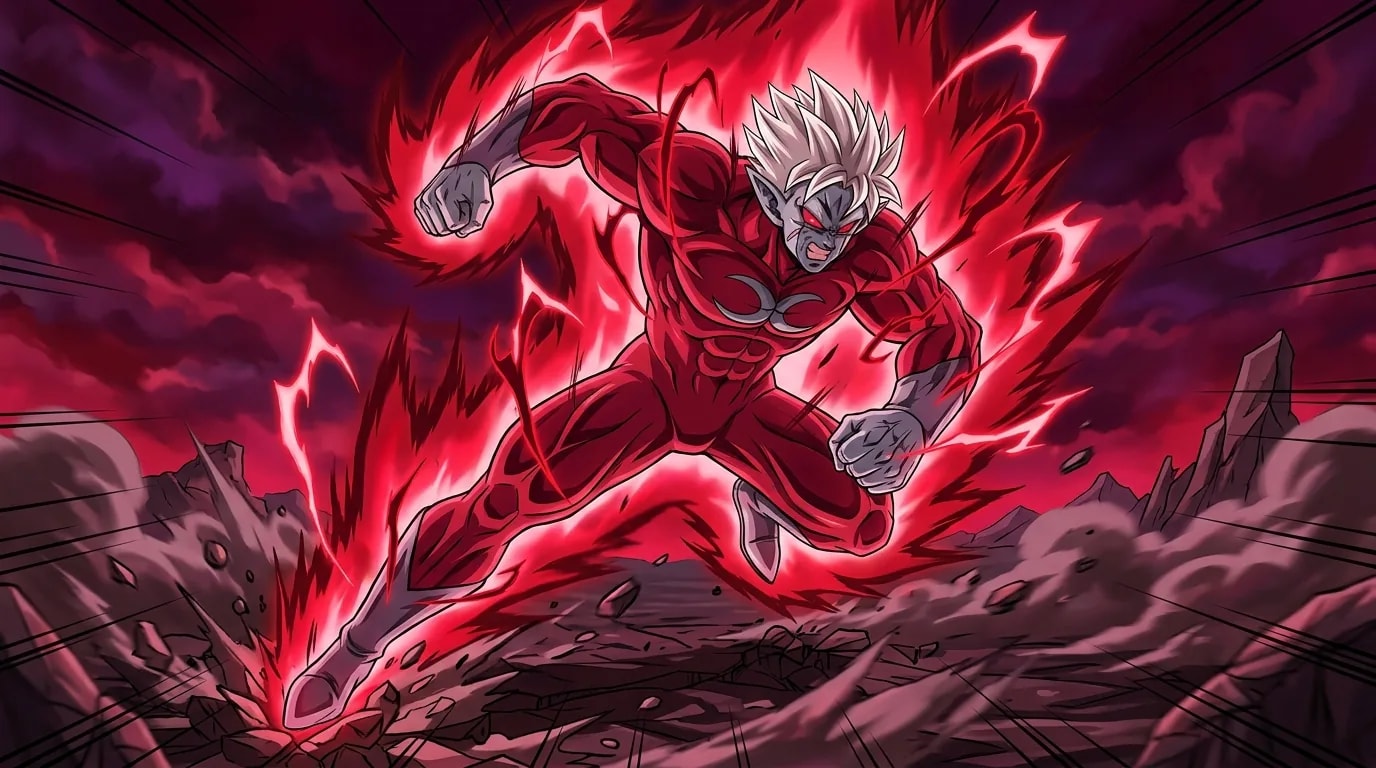
Rampaging
TransformationA berserk state triggered by overwhelming emotional trauma or rage. The user's power spikes dramatically but at the cost of all rational control. In this state, the fighter becomes a destructive force without direction, attacking everything nearby without distinguishing between friend and foe.
Losing Control
Rampaging is not a transformation that any fighter seeks voluntarily. It represents the breakdown of the mental discipline that normally governs how warriors channel their ki. When emotional trauma, rage, or despair pushes a fighter past their psychological breaking point, their power can surge beyond its normal limits as the mental restraints that keep it in check simply shatter.
The result is a temporary but dramatic increase in raw destructive output. The rampaging fighter hits harder, moves more aggressively, and ignores injuries that would normally slow them down. Their pain response is suppressed, and their survival instincts are overridden by pure destructive impulse. From a pure power standpoint, the rampaging state often exceeds what the user could achieve through controlled transformation.
However, the cost is severe. A rampaging fighter cannot think tactically, cannot coordinate with allies, and cannot target their attacks with precision. They are equally likely to level the surrounding landscape as they are to hit their intended opponent. The state is also self-limiting; the unsustainable rate of energy expenditure means that exhaustion follows quickly once the emotional surge fades. Many fighters have found themselves completely drained after a rampaging episode, vulnerable to counterattack at their weakest.



Frequently Asked Questions
What is the Rampaging state in Dragon Ball?
Rampaging is the descriptive label for a frenzied combat state in which the user loses tactical restraint and lashes out with their full available power. The state is most often invoked when Broly fully releases his Legendary Super Saiyan form and stops fighting with any control or strategy.
How does the Rampaging state change the user?
The user's aura becomes wild and unstable. Eyes may change color or become blank. Muscle tension increases visibly, and the user's movements become more aggressive and less controlled. The overall visual impression is of someone who has lost rational control of their power.
What advantage does the Rampaging state provide?
Dramatic short-term power increase fueled by raw emotion. Pain tolerance increases significantly as rational self-preservation instincts are suppressed. Attack patterns become unpredictable and difficult to counter.
What are the drawbacks of Rampaging?
Complete loss of strategic thinking and combat awareness. The user may attack allies indiscriminately. Energy is burned at an unsustainable rate, leading to rapid exhaustion. Cannot be maintained or controlled; the user is essentially a passenger in their own body.
Who is associated with the Rampaging state?
Broly is the most famous fighter associated with rampaging, with both his original Legendary Super Saiyan and Dragon Ball Super: Broly versions losing themselves in destructive frenzies. Other characters such as Kale during her Berserker arc also operate in a comparable state.

Sources & Information
Looking for more on Rampaging? The Dragon Ball Wiki on Fandom has a dedicated page with community notes.
View on FandomThis content is original writing by Daddy Jim Headquarters based on the Dragon Ball anime series, manga, and official materials. Episode and chapter references are cited where applicable.
Character and scene imagery on this site is original artwork by Daddy Jim Headquarters, not screenshots or licensed imagery. Official cover art is used on three types of pages for editorial commentary:
- Movie pages: theatrical posters and key visuals, credited to Toei Animation and Shueisha.
- Game pages: official box art, credited to Bandai Namco, Atari, and other publishers.
- Manga chapter pages: Jump Comics volume covers, credited to Shueisha and Akira Toriyama.
Browse our episode guides:
Official resources:
Help Us Keep This Wiki Accurate
Daddy Jim Headquarters maintains this encyclopedia. If you spot an error, a translation issue, or something that doesn't look right, let us know.