Super Full Power
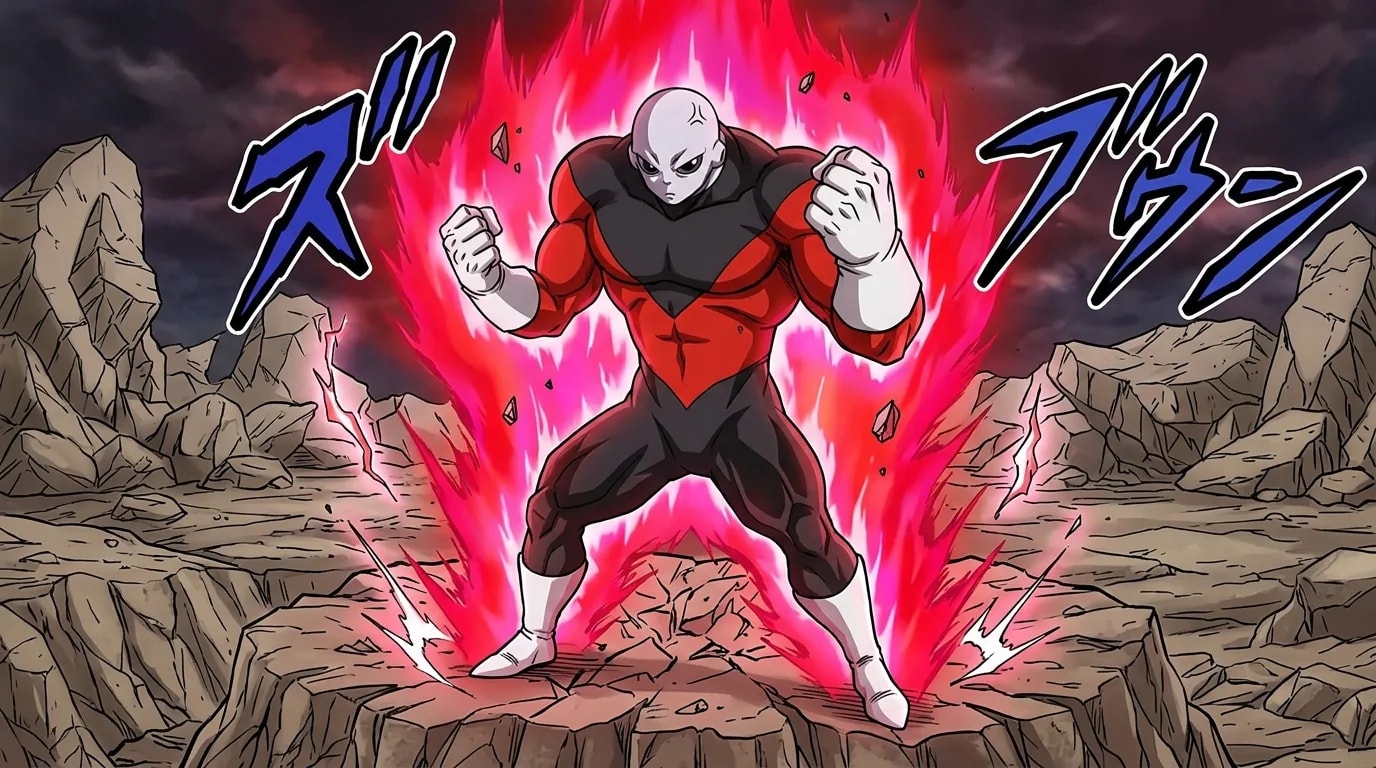
TransformationA state representing the absolute maximum output of an existing transformation. Rather than being a new form, Super Full Power describes a fighter who has pushed their current transformation to its theoretical ceiling, squeezing out every last unit of power the form can provide.
Pushing to the Limit
Super Full Power is not a distinct transformation in the traditional sense. Instead, it describes the state of a fighter who has pushed their existing transformation to its absolute maximum output. Every transformation has a range of power it can access, from a resting baseline to a theoretical ceiling. Most fighters operate somewhere in the middle of that range during normal combat. Super Full Power represents operating at the ceiling.
This concept has been applied to various transformations throughout the franchise. The principle is always the same: the user stops holding anything back within their current form and channels every available resource into immediate combat power. The aura intensifies, the physical strain becomes visible, and the fighter operates at a level that exceeds what their transformation normally provides.
The cost of sustaining this state is significant. Operating at absolute maximum burns through ki reserves rapidly and places enormous physical strain on the body. A fighter in Super Full Power mode has effectively traded endurance for immediate power, betting that they can end the fight before exhaustion forces them to power down. If the gamble fails, they are left weaker than if they had fought at a sustainable level throughout.


Frequently Asked Questions
What is Super Full Power in Dragon Ball?
Super Full Power is the mastered maximum-output state available to advanced Saiyan transformations, in which the user channels their full reserves without the strain or stamina drain that normally accompanies forcing the form. It is most prominently associated with mastered Super Saiyan and the Super Saiyan 4 line in Dragon Ball GT and Heroes.
How does Super Full Power change the user?
The user's aura expands and intensifies dramatically. Muscle definition may become more pronounced. The visual indicators of whatever transformation is already active become more vivid and energetic. The overall impression is of a form pushed to its absolute ceiling.
What are the requirements for Super Full Power?
The user must already be in a transformation and then push that form to its maximum possible output. Requires the stamina and ki reserves to sustain maximum output.
What advantages does Super Full Power offer?
Represents the absolute peak of a given transformation's power. Eliminates the gap between normal usage and theoretical maximum. Can push a form beyond what opponents expect based on prior encounters.
Who uses Super Full Power?
The descriptor applies across multiple Saiyan transformations. Mastered Super Saiyan is the original reference point in Dragon Ball Z, and the Super Saiyan 4 line in Dragon Ball GT and Heroes uses an explicit Super Full Power variant during its highest-tier showings.

Sources & Information
Looking for more on Super Full Power? The Dragon Ball Wiki on Fandom has a dedicated page with community notes.
View on FandomThis content is original writing by Daddy Jim Headquarters based on the Dragon Ball anime series, manga, and official materials. Episode and chapter references are cited where applicable.
Character and scene imagery on this site is original artwork by Daddy Jim Headquarters, not screenshots or licensed imagery. Official cover art is used on three types of pages for editorial commentary:
- Movie pages: theatrical posters and key visuals, credited to Toei Animation and Shueisha.
- Game pages: official box art, credited to Bandai Namco, Atari, and other publishers.
- Manga chapter pages: Jump Comics volume covers, credited to Shueisha and Akira Toriyama.
Browse our episode guides:
Official resources:
Help Us Keep This Wiki Accurate
Daddy Jim Headquarters maintains this encyclopedia. If you spot an error, a translation issue, or something that doesn't look right, let us know.