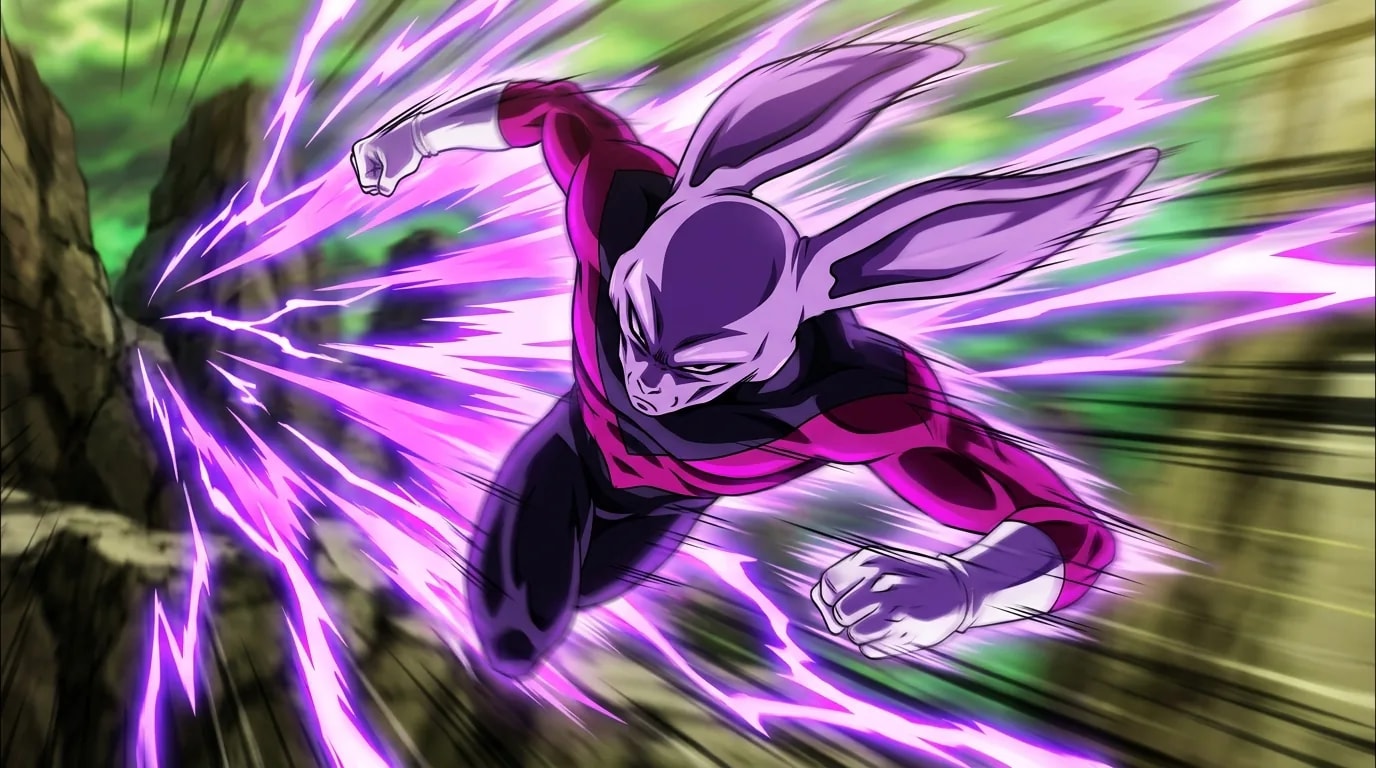
Super Maximum Light Speed Mode
TransformationAn extreme speed-focused power-up that channels the user's available energy almost entirely into velocity. The result is movement so fast that opponents perceive it as instantaneous, though the trade-off is reduced striking power per individual hit and increased physical strain.
Speed Above All
Super Maximum Light Speed Mode represents the absolute extreme of speed-focused enhancement in Dragon Ball. While many fighters achieve incredible velocity as a byproduct of their overall power increases, this form takes a different approach by deliberately sacrificing other combat attributes to maximize speed above all else. The user channels their ki reserves into raw velocity, achieving movement speeds that approach or conceptually exceed the speed of light.
At these speeds, conventional combat interactions break down entirely. An opponent who cannot track the user simply cannot defend against them, regardless of how strong their defenses might be. The user can deliver dozens or hundreds of strikes in what appears to be a single instant, overwhelming even vastly durable opponents through sheer volume of attacks. The visual effect is a fighter who appears to be everywhere at once, striking from every angle simultaneously.
The inherent limitation is the energy trade-off. By redirecting power to speed, each individual strike carries less force than the user could deliver at normal speed. This means that opponents with sufficient durability might be able to weather the barrage despite being unable to dodge it. Additionally, the physical strain of moving at such extreme velocities takes a heavy toll on the user's body, making the form unsustainable for anything longer than a brief, decisive engagement.



Frequently Asked Questions
What does super maximum light speed mode do?
An extreme speed-focused power-up that channels the user's available energy almost entirely into velocity. The result is movement so fast that opponents perceive it as instantaneous, though the trade-off is reduced striking power per individual hit and increased physical strain. The user must possess the ability to channel their energy entirely into speed enhancement.
Is Dyspo faster than light?
The user's body may become surrounded by speed lines and a streamlined aura. Visual after-images multiply as the user moves at extreme velocities. The overall appearance suggests motion even while standing still, with energy crackling around the user's form.
What is Goku's maximum speed?
The user must possess the ability to channel their energy entirely into speed enhancement. Requires exceptional ki control to redirect power from offense and defense into pure velocity.
How powerful is Super Maximum Light Speed Mode?
Extreme speed enhancement; power increase focused on velocity. Movement speed that approaches or exceeds light speed.
What are the drawbacks of Super Maximum Light Speed Mode?
Defense is reduced as energy is redirected to speed. Each individual strike carries less force than a power-focused attack. The user's body endures tremendous strain from extreme velocity.

Sources & Information
Looking for more on Super Maximum Light Speed Mode? The Dragon Ball Wiki on Fandom has a dedicated page with community notes.
View on FandomThis content is original writing by Daddy Jim Headquarters based on the Dragon Ball anime series, manga, and official materials. Episode and chapter references are cited where applicable.
Character and scene imagery on this site is original artwork by Daddy Jim Headquarters, not screenshots or licensed imagery. Official cover art is used on three types of pages for editorial commentary:
- Movie pages: theatrical posters and key visuals, credited to Toei Animation and Shueisha.
- Game pages: official box art, credited to Bandai Namco, Atari, and other publishers.
- Manga chapter pages: Jump Comics volume covers, credited to Shueisha and Akira Toriyama.
Browse our episode guides:
Official resources:
Help Us Keep This Wiki Accurate
Daddy Jim Headquarters maintains this encyclopedia. If you spot an error, a translation issue, or something that doesn't look right, let us know.