Ikuyo Uemura
AnimadorArtista de entintado y pintura que coloreó 41 episodios de la Dragon Ball original y aportó trabajo de pintura a múltiples largometrajes de DBZ, estableciendo la paleta visual de la serie durante sus sagas más icónicas.
Trabajo de color en Dragon Ball
Uemura ejerció como artista de entintado y pintura en 41 episodios de la Dragon Ball original, responsable directa de las decisiones de color que definieron la identidad visual de la serie. Su trabajo abarcó episodios de las sagas del Torneo, el General Blue, la Adivina Baba, Ten Shin Han, el Rey Piccolo y Piccolo Jr., convirtiéndola en un miembro central del equipo de diseño de color durante el periodo temprano más decisivo de Dragon Ball. Su trabajo cinematográfico incluyó funciones de pintura en las tres primeras películas de Dragon Ball: Curse of the Blood Rubies, Sleeping Princess in Devil's Castle y Mystical Adventure. En Dragon Ball Z, continuó esta labor en Dead Zone, Lord Slug, The Tree of Might y The World's Strongest, así como en el especial de Bardock. Sus elecciones de color influyeron directamente en cómo los espectadores experimentaban a los personajes y los entornos centrales de la narrativa de Dragon Ball.


Función de producción de entintado y pintura
El papel especializado de Uemura como artista de entintado y pintura refleja el laborioso proceso de animación predigital, donde artistas formados aplicaban manualmente el color a las láminas de celuloide fotograma a fotograma. Este trabajo técnicamente exigente requería tanto sensibilidad artística como disciplina de producción, ya que la consistencia entre episodios era esencial para mantener la continuidad visual. Sus amplios créditos en Dragon Ball, tanto en televisión como en cine, demuestran su fiabilidad y habilidad durante las mayores exigencias de la era de producción de la franquicia de las décadas de 1980 y 1990. Aunque los artistas de entintado y pintura permanecen en gran medida no acreditados en el discurso popular, sus elecciones de color moldearon de forma fundamental cómo el público experimentaba la coreografía de artes marciales y las interacciones de personajes de Dragon Ball.

Fuentes e información
¿Quieres saber más sobre Ikuyo Uemura? La Wiki de Dragon Ball en Fandom tiene una página dedicada con notas de la comunidad.
Ver en FandomEste contenido es texto original de Daddy Jim Headquarters, basado en el anime Dragon Ball, el manga y materiales oficiales. Las referencias de episodios y capítulos se citan cuando corresponde.
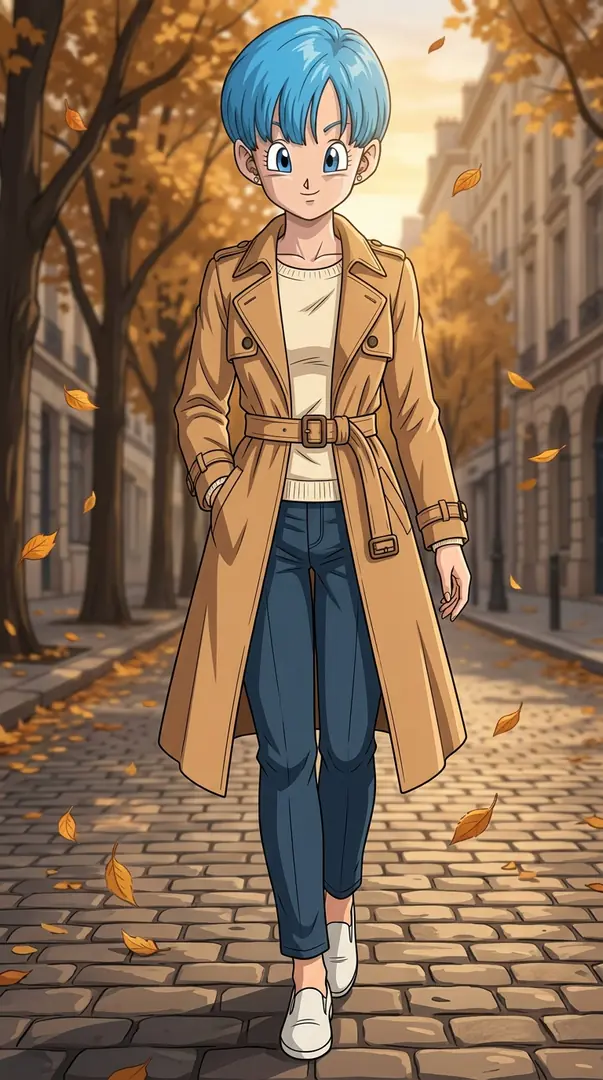
Las imágenes de personajes y escenas de este sitio son obras originales de Daddy Jim Headquarters, no capturas de pantalla ni imágenes con licencia. Las portadas oficiales se usan en tres tipos de páginas como comentario editorial:
- Páginas de películas: pósteres teatrales y visuales clave, con créditos a Toei Animation y Shueisha.
- Páginas de videojuegos: arte oficial de portadas, con créditos a Bandai Namco, Atari y otros editores.
- Páginas de capítulos de manga: portadas de volúmenes de Jump Comics, con créditos a Shueisha y Akira Toriyama.
Explora nuestras guías de episodios:
Recursos oficiales:
Música Dragon Ball por Daddy Jim Headquarters
Escucha R&B de Dragon Ball.
Ayúdanos a mantener esta wiki actualizada
Daddy Jim Headquarters mantiene esta enciclopedia en 13 idiomas. Si encuentras un error, un problema de traducción o algo que no parece correcto, háznoslo saber.