
Zard
MúsicoA massively successful pop rock group led by vocalist Izumi Sakai who shaped Dragon Ball GT's iconic musical identity. Sakai wrote the opening theme lyrics and sang the second ending, cementing Zard's franchise legacy.
Dragon Ball GT Contribution
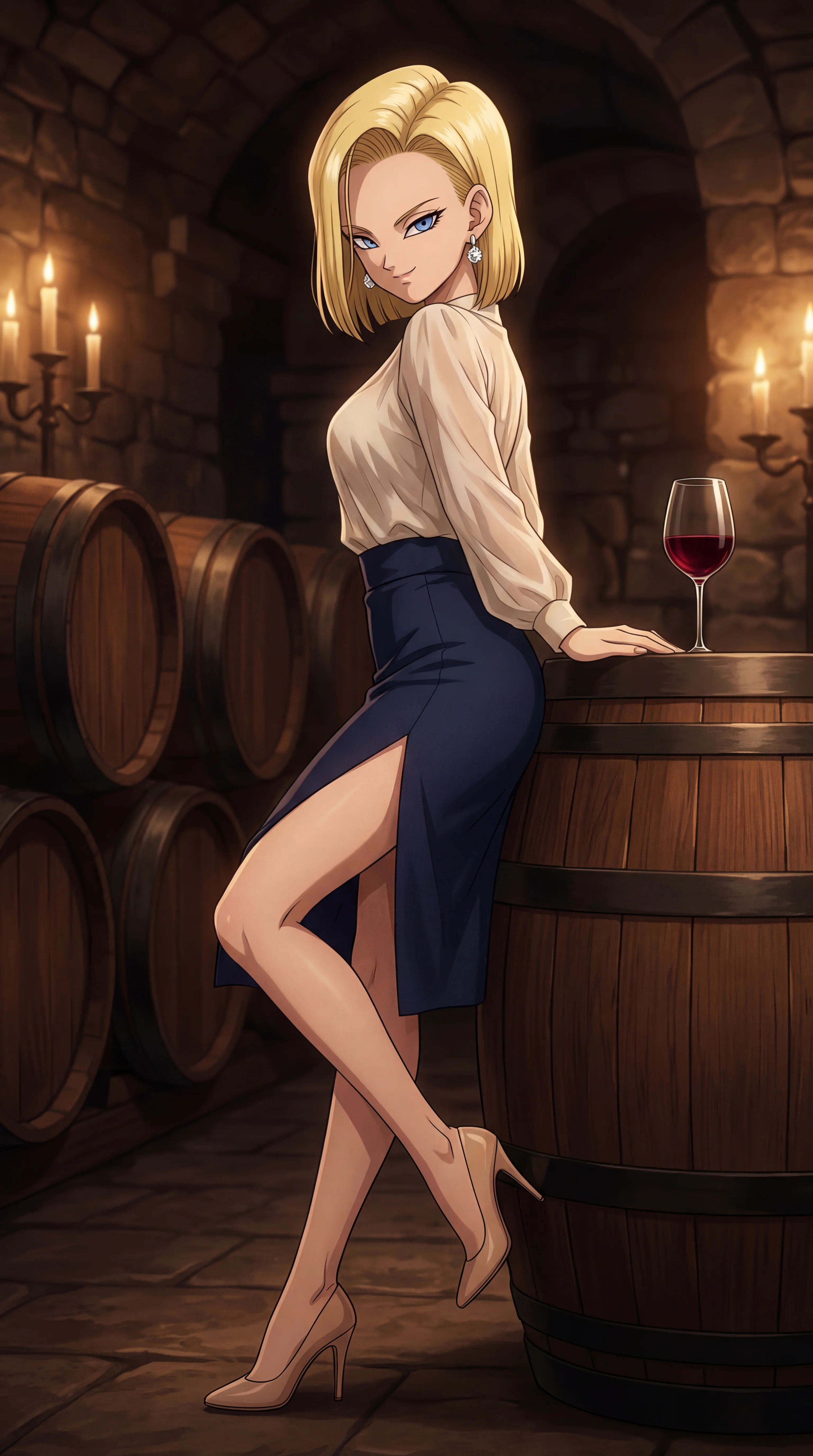
Zard's connection to Dragon Ball GT came through two major contributions. Lead singer Izumi Sakai wrote the lyrics for Field of View's "DAN DAN Kokoro Hikarete 'ku," the opening theme that became instantly recognizable to millions of viewers. Additionally, Zard performed the series' second ending theme "Don't You See!," with lyrics again penned by Sakai. These two vocal touchstones placed Zard at the sonic heart of GT's identity, making the band inseparable from the series' musical legacy. Sakai's lyrical contributions shaped the emotional resonance that made these themes memorable decades after broadcast.


Musical Career
Zard was formed by CEO Daikō Nagato, who recruited model Sachiko Kamachi and renamed her Izumi Sakai to begin her musical career. The group debuted February 10, 1991, with \"Good-bye My Loneliness.\" Their breakthrough came in 1993 with \"Makenaide,\" which reached number one and sold over 1.8 million copies. Subsequent hits \"Yureru Omoi\" and \"Kitte Wasurenai\" established Zard as Japan's best-selling artist of 1993. By 2014, Zard had sold over 37 million records. Sakai was prolific as a lyricist, writing 150 songs during her seventeen-year career for both Zard and other artists. Zard disbanded in December 2002 but reunited in 2012 and again in 2020. Sadly, Sakai passed away on May 27, 2007, at age 40 following a fall during her recovery from cervical cancer.
Preguntas frecuentes
¿Quién es Zard en Dragon Ball?
Zard es una banda japonesa, conocida por ser el letrista del tema de apertura y vocalista del tema de cierre de Dragon Ball GT. Un exitoso grupo de pop rock liderado por la vocalista Izumi Sakai que dio forma a la icónica identidad musical de Dragon Ball GT.
¿Cuál es la contribución de Zard a Dragon Ball?
La conexión de Zard con Dragon Ball GT se produjo a través de dos grandes contribuciones. La cantante principal Izumi Sakai escribió la letra para "DAN DAN Kokoro Hikarete 'ku" de Field of View, el tema de apertura que se volvió instantáneamente reconocible para millones de espectadores.
¿De qué nacionalidad es Zard?
Zard es una banda japonesa asociada con las producciones de Dragon Ball en idioma inglés.
¿Cuándo ha estado activo Zard en Dragon Ball?
Zard ha estado activo en el período de la franquicia de 1991 a 2007. Letrista del tema de apertura y vocalista del tema de cierre de Dragon Ball GT.
¿Por qué otra cosa es conocido Zard?
Zard fue formado por el director ejecutivo Daikō Nagato, quien reclutó a la modelo Sachiko Kamachi y la renombró Izumi Sakai para comenzar su carrera musical. El grupo debutó el 10 de febrero de 1991 con "Good-bye My Loneliness". Su gran avance se produjo en 1993 con "Makenaide", que alcanzó el número uno y vendió más de 1.8 millones de copias.
Lectura relacionada
Ver todo
Krillin's on the Tinder: cómo el máximo short king sobrevivió al filtro de estatura
Tinder creó un filtro de estatura. Dragon Ball creó una leyenda de metro y medio. Esto es lo que pasó cuando enviamos al máximo short king al infierno de las citas modernas....

Infinite Zeni Glitch: cuando Yamcha nunca paga y Mr. Popo siempre lo hace
Internet encontró un truco de dinero infinito. Yamcha también. Un tema de R&B suave sobre el dinero más fácil del mundo de Dragon Ball y el único que sigue pagándolo....

Fuentes e información
¿Quieres saber más sobre Zard? La Wiki de Dragon Ball en Fandom tiene una página dedicada con notas de la comunidad.
Ver en FandomEste contenido es texto original de Daddy Jim Headquarters, basado en el anime Dragon Ball, el manga y materiales oficiales. Las referencias de episodios y capítulos se citan cuando corresponde.
Las imágenes de personajes y escenas de este sitio son obras originales de Daddy Jim Headquarters, no capturas de pantalla ni imágenes con licencia. Las portadas oficiales se usan en tres tipos de páginas como comentario editorial:
- Páginas de películas: pósteres teatrales y visuales clave, con créditos a Toei Animation y Shueisha.
- Páginas de videojuegos: arte oficial de portadas, con créditos a Bandai Namco, Atari y otros editores.
- Páginas de capítulos de manga: portadas de volúmenes de Jump Comics, con créditos a Shueisha y Akira Toriyama.
Explora nuestras guías de episodios:
Recursos oficiales:
Ayúdanos a mantener esta wiki actualizada
Daddy Jim Headquarters mantiene esta enciclopedia. Si encuentras un error, un problema de traducción o algo que no parece correcto, háznoslo saber.