
Zard
MusicienA massively successful pop rock group led by vocalist Izumi Sakai who shaped Dragon Ball GT's iconic musical identity. Sakai wrote the opening theme lyrics and sang the second ending, cementing Zard's franchise legacy.
Dragon Ball GT Contribution
Zard's connection to Dragon Ball GT came through two major contributions. Lead singer Izumi Sakai wrote the lyrics for Field of View's "DAN DAN Kokoro Hikarete 'ku," the opening theme that became instantly recognizable to millions of viewers. Additionally, Zard performed the series' second ending theme "Don't You See!," with lyrics again penned by Sakai. These two vocal touchstones placed Zard at the sonic heart of GT's identity, making the band inseparable from the series' musical legacy. Sakai's lyrical contributions shaped the emotional resonance that made these themes memorable decades after broadcast.


Musical Career
Zard was formed by CEO Daikō Nagato, who recruited model Sachiko Kamachi and renamed her Izumi Sakai to begin her musical career. The group debuted February 10, 1991, with \"Good-bye My Loneliness.\" Their breakthrough came in 1993 with \"Makenaide,\" which reached number one and sold over 1.8 million copies. Subsequent hits \"Yureru Omoi\" and \"Kitte Wasurenai\" established Zard as Japan's best-selling artist of 1993. By 2014, Zard had sold over 37 million records. Sakai was prolific as a lyricist, writing 150 songs during her seventeen-year career for both Zard and other artists. Zard disbanded in December 2002 but reunited in 2012 and again in 2020. Sadly, Sakai passed away on May 27, 2007, at age 40 following a fall during her recovery from cervical cancer.
Foire aux questions
Qui est Zard dans Dragon Ball ?
Zard est un groupe japonais, connu comme parolier du générique de début et chanteur du générique de fin de Dragon Ball GT. Un groupe de pop rock connaissant un succès massif, dirigé par la chanteuse Izumi Sakai, qui a façonné l'identité musicale emblématique de Dragon Ball GT.
Quelle est la contribution de Zard à Dragon Ball ?
La connexion de Zard avec Dragon Ball GT s'est faite par le biais de deux contributions majeures. La chanteuse principale Izumi Sakai a écrit les paroles pour "DAN DAN Kokoro Hikarete 'ku" de Field of View, le générique de début qui est devenu instantanément reconnaissable pour des millions de téléspectateurs.
Quelle est la nationalité de Zard ?
Zard est un groupe japonais associé aux productions de Dragon Ball en langue anglaise.
Quand Zard a-t-il été actif dans Dragon Ball ?
Zard a été actif dans la période de 1991 à 2007 de la franchise. Parolier du générique de début et chanteur du générique de fin de Dragon Ball GT.
Pour quoi d'autre Zard est-il connu ?
Zard a été formé par le PDG Daikō Nagato, qui a recruté le mannequin Sachiko Kamachi et l'a renommée Izumi Sakai pour commencer sa carrière musicale. Le groupe a débuté le 10 février 1991 avec "Good-bye My Loneliness". Leur percée a eu lieu en 1993 avec "Makenaide", qui a atteint la première place et s'est vendu à plus de 1,8 million d'exemplaires.
Lectures connexes
Voir tout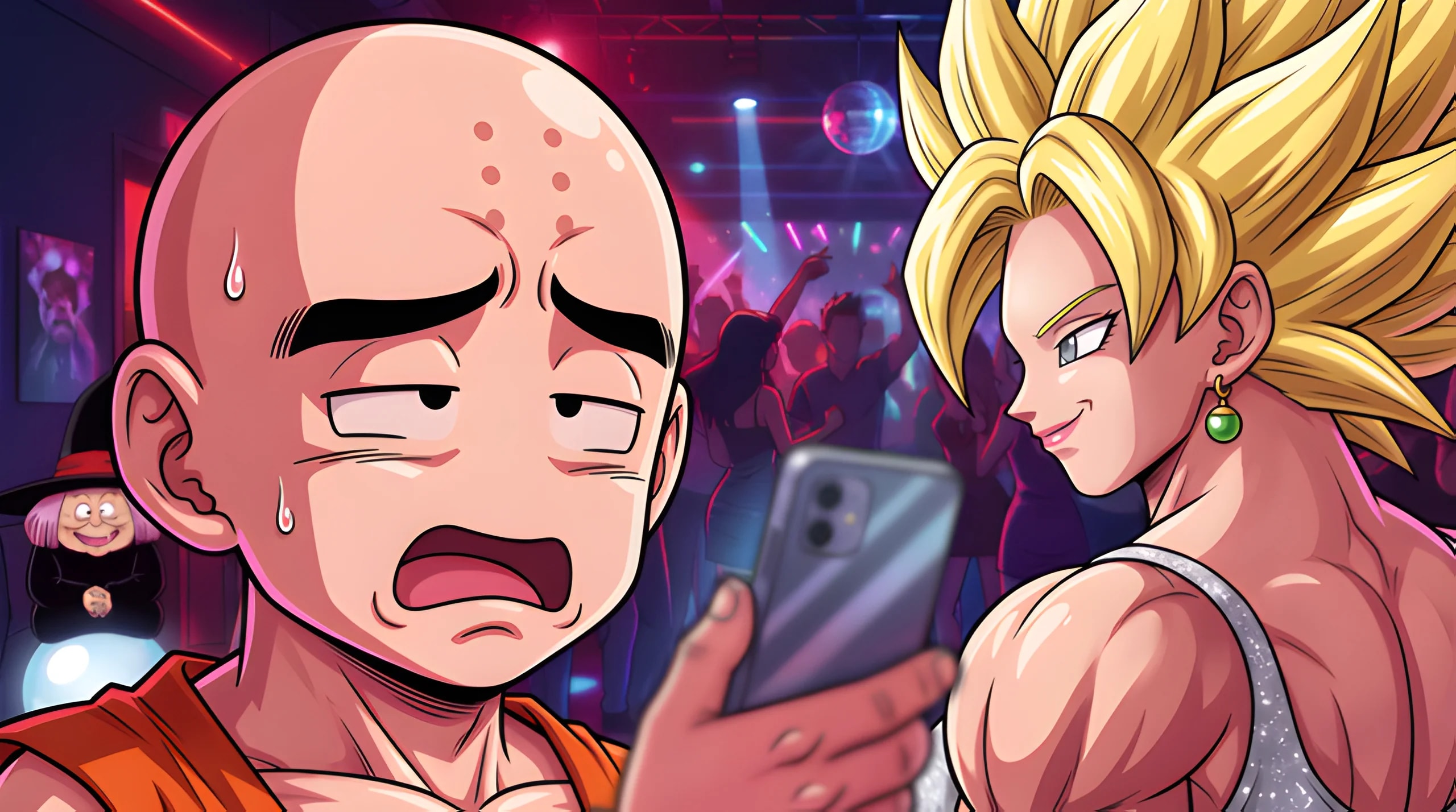
Krillin's on the Tinder : comment l'ultime short king a survécu au filtre de taille
Tinder a créé un filtre de taille. Dragon Ball a créé une légende d'un mètre cinquante. Voici ce qui s'est passé quand nous avons envoyé l'ultime short king dans l'enfer des rencontres modernes....
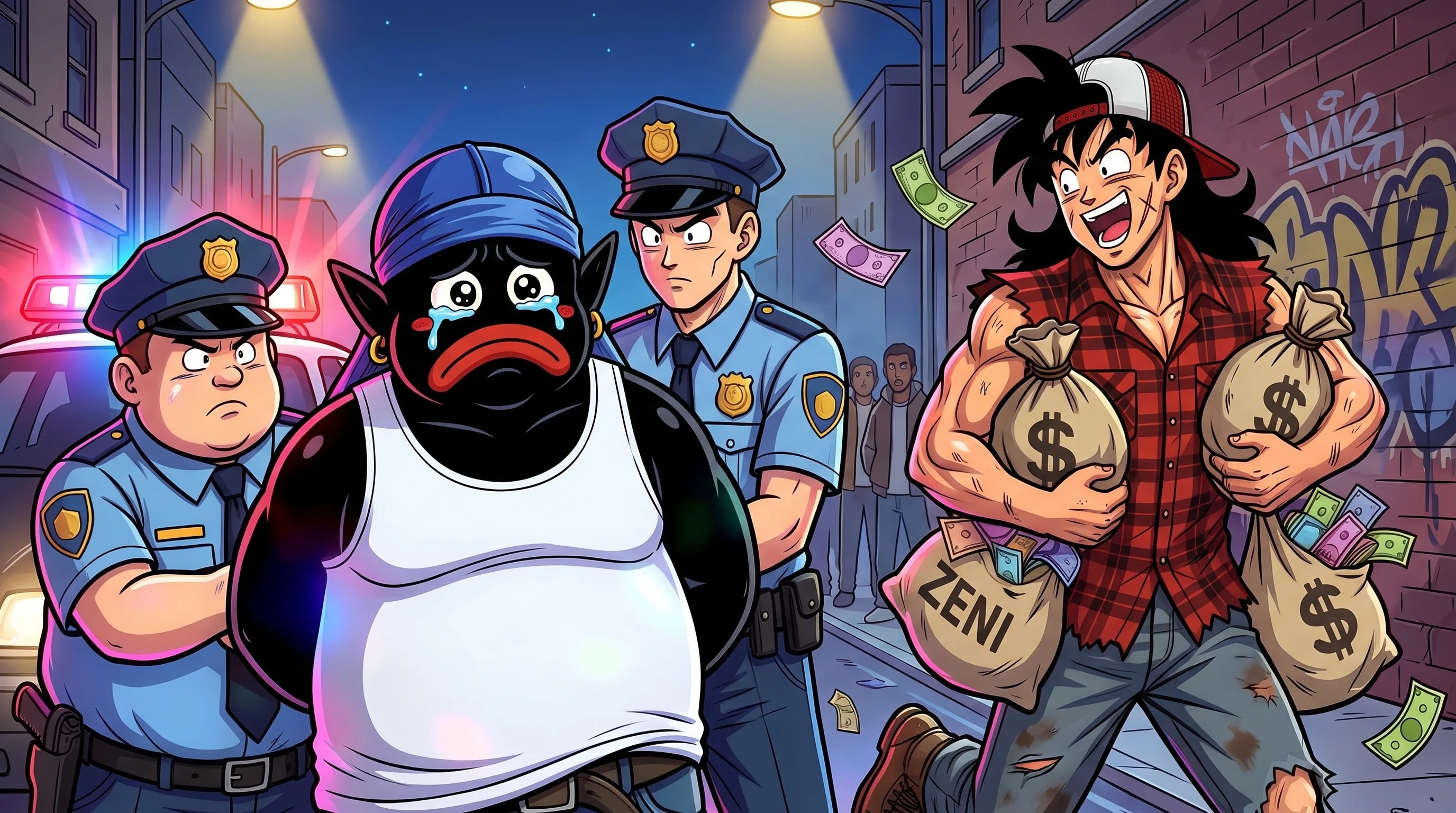
Infinite Zeni Glitch : quand Yamcha ne paie jamais et que Monsieur Popo paie toujours
Internet a trouvé un bug d'argent infini. Yamcha aussi. Un morceau de R&B tout en douceur sur l'argent le plus facile du monde de Dragon Ball et sur le seul homme qui n'arrête pas d'en payer le prix....
Sources et informations
Vous cherchez plus d'infos sur Zard ? Le Dragon Ball Wiki sur Fandom a une page dédiée avec des notes de la communauté.
Voir sur FandomCe contenu est une rédaction originale de Daddy Jim Headquarters basée sur la série animée Dragon Ball, le manga et les supports officiels. Les références aux épisodes et chapitres sont citées le cas échéant.
Les illustrations de personnages et de scènes sur ce site sont des oeuvres originales de Daddy Jim Headquarters, pas des captures d'écran ni des images sous licence. Les visuels officiels sont utilisés sur trois types de pages à des fins de commentaire éditorial :
- Pages de films: affiches de cinéma et visuels clés, crédités à Toei Animation et Shueisha.
- Pages de jeux: jaquettes officielles, créditées à Bandai Namco, Atari et autres éditeurs.
- Pages de chapitres manga: couvertures de volumes Jump Comics, créditées à Shueisha et Akira Toriyama.
Parcourir nos guides d'épisodes :
Ressources officielles :
Aidez-nous à maintenir ce wiki à jour
Daddy Jim Headquarters gère cette encyclopédie. Si vous repérez une erreur, un problème de traduction ou quelque chose qui ne semble pas correct, faites-le nous savoir.