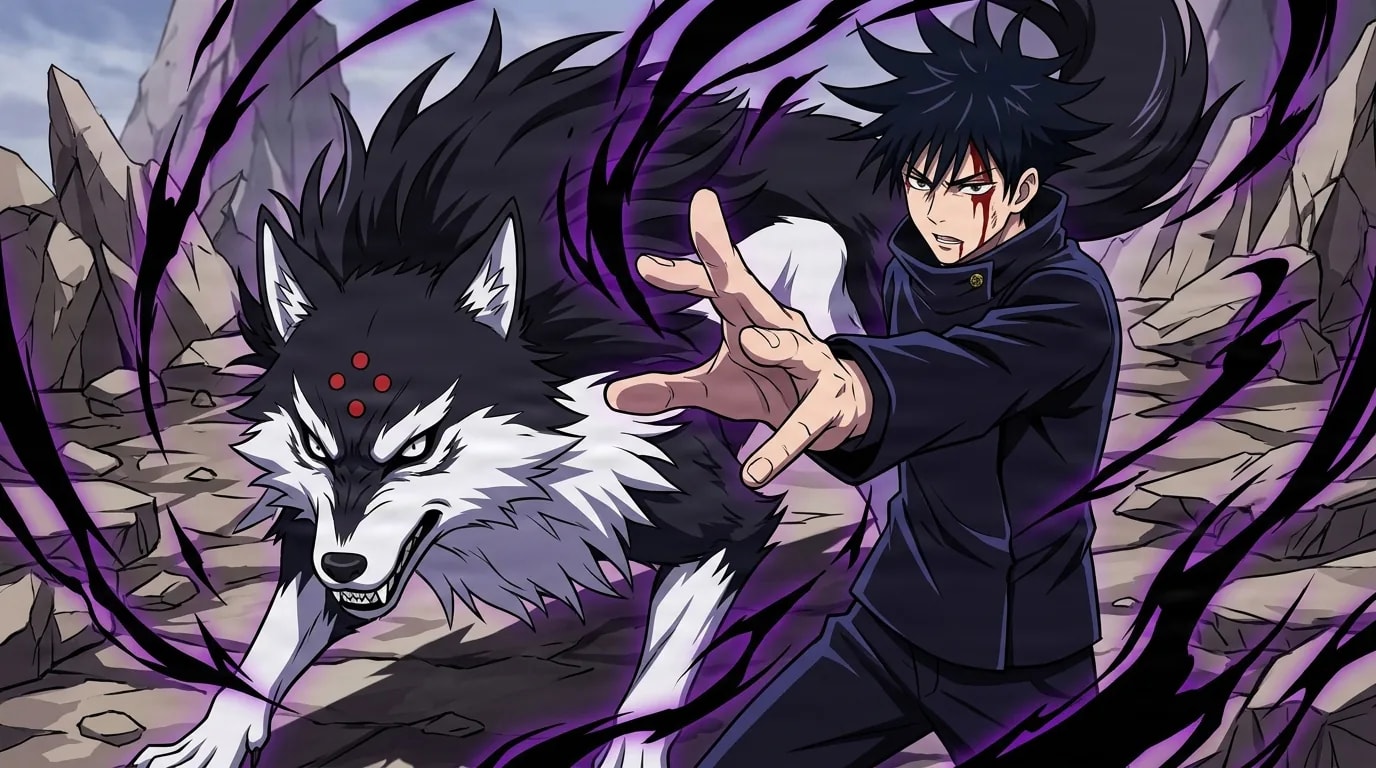
Jujutsu Sorcerer
CharacterJujutsu sorcerers are people able to channel cursed energy into sorcery. The term most often points to the professionals quietly trained and paid by Japan's government, working under Jujutsu Headquarters to keep cursed spirits from harming ordinary humans.
Appearance
Rather than a single look, the term covers anyone capable of wielding sorcery against curses. Such individuals stand apart from ordinary people on a biological level, the difference resting in the brain itself. Medical experts within the community still cannot fully explain how the brain links to cursed energy, yet only a sorcerer's neural makeup permits the use of jujutsu. The lone exception that bridges the gap is Idle Transfiguration, which can reshape the brain stem so that someone born a non-sorcerer gains a technique. Reversing the process strips a sorcerer of their ability and proves fatal.
Three tiers describe those exposed to the supernatural. People who weaponize sorcery for crimes like murder are labeled curse users. Ordinary folk with no aptitude at all are non-sorcerers. A narrow group, called Windows, can perceive cursed energy yet remain unable to manipulate it.


History
The lineage stretches back more than a millennium. In the Nara period, Tengen spread Japanese Buddhism while laying the groundwork for organized sorcery, eventually becoming the anchor of the nation's primary barriers and shielding the country from curses through barrier techniques. Generations later, during the Heian era, sorcery reached its golden age, and Ryomen Sukuna butchered the strongest practitioners of his time to crown himself King of Curses. After death he scattered his soul across cursed objects, returning through Yuji Itadori in 2018. Centuries of struggle between curses and their hunters pushed sorcerers into the shadows, where the Big Three Families and Jujutsu Headquarters came to steer the entire society.
The trade is brutal. Masamichi Yaga once warned Yuji that a person needs to border on madness, fearless to a fault, simply to endure it. Promising but soft-hearted recruits often crack under the horror of mutilated bodies and grotesque monsters, abandoning the work quickly. Some who could use sorcery instead turn to crime, since the life of a curse user is far easier. Years of grim service hardened many; figures like Suguru Geto came to view endless duty to ungrateful non-sorcerers as a marathon with no finish, while Yuki Tsukumo argued the schools only treat symptoms and never the disease.
Abilities
A professional is generally born with both abundant cursed energy and an innate talent for cursed techniques, which accounts for the bulk of any sorcerer's combat capacity. The trade welcomes exceptions, though. Some operate without an innate technique, leaning on weapons or swordsmanship, and a few cannot control cursed energy at all, relying entirely on cursed tools. Being human is not even mandatory, as Panda demonstrates. The bare floor for the title is simply the capacity to see cursed spirits. Registered sorcerers train in their youth at either the Tokyo or Kyoto school, learning to exorcise curses, and a grading scale running from Grade 4 up to Special Grade matches each practitioner against missions of corresponding danger.
Methods vary as widely as the people themselves. Shikigami summoners, cursed tool wielders, and Cursed Speech users represent only a handful of combat styles. Non-combatants matter too. Shoko Ieiri is prized for her medical skill and reverse cursed technique, while assistant managers cast curtains and basic barriers to support field operations. Clans wielding inherited techniques sit at the top of the social order, and Jujutsu High also guards indestructible special grade objects, including the twenty fingers of Sukuna, to keep the worst threats contained.
Related Reading
See all
Super Saiyan Pubes: The Song About Where Super Saiyan Hair Actually Goes
The transformation everyone knows, the follow-up question nobody would touch. Why we made a smooth R&B track about the golden glow Dragon Ball never talks about....

The Bleach Female Characters Nobody Can Agree On, Settled
Five Bleach female characters, ranked and settled. Yoruichi sits at number five, the spot nobody expects, and our number one is an Arrancar with a soft heart....

Frequently Asked Questions
Who are jujutsu sorcerers in JJK?
Jujutsu sorcerers are people able to channel cursed energy into sorcery. The term most often points to the professionals quietly trained and paid by Japan's government, working under Jujutsu Headquarters to keep cursed spirits from harming ordinary humans.
What makes someone a jujutsu sorcerer?
Jujutsu sorcerers stand apart from ordinary people on a biological level, the difference resting in the brain itself, as only a sorcerer's neural makeup permits the use of jujutsu. A professional is generally born with both abundant cursed energy and an innate talent for cursed techniques.
What are the grades or ranks of jujutsu sorcerers?
Jujutsu sorcerers are measured on a grading scale running from Grade 4 up to Special Grade, matching each practitioner against missions of corresponding danger. Registered sorcerers train in their youth at either the Tokyo or Kyoto Jujutsu High school.
What is the difference between a sorcerer, a curse user, and a non-sorcerer?
Among those exposed to the supernatural, curse users weaponize sorcery for crimes like murder, while non-sorcerers are ordinary folk with no aptitude at all. A narrow group called Windows can perceive cursed energy yet remain unable to manipulate it.
Who governs jujutsu sorcerers in Jujutsu Kaisen?
The Big Three Families and Jujutsu Headquarters came to steer the entire jujutsu society, which operates in the shadows. The lineage stretches back more than a millennium to Tengen, who laid the groundwork for organized sorcery in the Nara period.
Sources & Information
Looking for more on Jujutsu Sorcerer? The Jujutsu Kaisen Wiki on Fandom has a dedicated page with community notes.
View on FandomThis content is original writing by Daddy Jim Headquarters based on the Jujutsu Kaisen anime series, manga, and official materials. Episode and chapter references are cited where applicable.
Character and scene imagery on this site is original artwork by Daddy Jim Headquarters, not screenshots or licensed imagery. Official cover art is used on three types of pages for editorial commentary:
- Movie pages: theatrical posters and key visuals, credited to MAPPA and Toho.
- Game pages: official box art for Jujutsu Kaisen Cursed Clash, credited to Bandai Namco.
- Manga chapter pages: Jump Comics volume covers, credited to Shueisha and Gege Akutami.
Official resources:
Help Us Keep This Wiki Accurate
Daddy Jim Headquarters maintains this encyclopedia. If you spot an error, a translation issue, or something that doesn't look right, let us know.