Gameplay
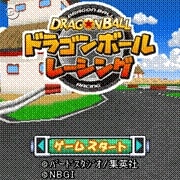
Dragon Ball Racing is a mobile racing game released exclusively for Japanese mobile phones. The game places characters from the Dragon Ball franchise into a competitive racing format, departing from the fighting and adventure game conventions that dominated the Dragon Ball gaming catalog. Mobile phone games in Japan during this period operated on the i-mode and EZweb platforms, which supported small downloadable applications targeted at the feature phone market rather than dedicated gaming hardware.
Racing gameplay in Dragon Ball-branded titles of this type typically involved selecting a character racer, navigating tracks using simplified controls suited to mobile phone keypads, and competing against other racers to reach the finish line in the shortest time. Power-ups or special abilities tied to Dragon Ball franchise characters may have differentiated individual racers, providing variety within the competitive format. The game was designed for the casual and pick-up-and-play style of play that defined the Japanese mobile phone game market during its commercial period.
As a Japan-exclusive mobile release with limited documented details, Dragon Ball Racing occupies a niche corner of the franchise's gaming history. Mobile phone games of this era were transient by nature, designed for devices that are no longer in widespread use, and were typically not preserved or re-released on modern platforms. The game represents the franchise's presence in the early Japanese mobile gaming market alongside other small Dragon Ball titles produced for feature phones in the 2000s.



Release Context & Platform
Dragon Ball Racing was produced during the peak of the Japanese mobile phone gaming market, a period in which Bandai and other major publishers regularly released small Dragon Ball titles for domestic feature phone platforms. These releases served as supplementary franchise content between major console and handheld releases, keeping the Dragon Ball brand visible across a wide range of consumer devices. Racing as a genre offered a straightforward fit for the limited processing power and control inputs of mobile phones of the period.
The game was never localized for international markets, consistent with the practice for most Japanese mobile phone games of its era, which were typically developed and distributed exclusively through domestic carrier platforms. This limits the available documentation about the title and situates it firmly within the context of the early 2000s Japanese mobile gaming ecosystem rather than the broader international Dragon Ball game market.

Legacy & Preservation
Dragon Ball Racing, like most mobile phone games from the early Japanese feature phone era, was not designed for long-term preservation or platform migration. The game's commercial and technical lifespan was tied to the carrier services and handsets it was built for, placing it in a category of Dragon Ball titles that exist primarily as historical references rather than playable artifacts. Its documentation in Dragon Ball game databases reflects an effort to create a complete record of all franchise game releases regardless of platform or availability.
The title's racing premise distinguishes it slightly from the majority of Dragon Ball games, which favor combat as their primary interactive mechanic. This genre experiment, however small in scope, reflects the willingness of publishers during the mobile phone era to explore varied formats when the lower production cost of mobile titles made niche genre experiments commercially viable.
Related Reading
See all
Chiaotzu is Chi-Chi's Boo: Why the Guy Who Never Wins Finally Wins
The least likely man in Dragon Ball just took the biggest win in our catalog. The story behind our R&B record about Chiaotzu, Chi-Chi, and a house Goku is never in....

Krillin's on the Tinder: How the Ultimate Short King Survived the Height Filter
Tinder built a height filter. Dragon Ball built a five foot legend. What happened when we sent the ultimate short king into the modern dating hellscape....


Frequently Asked Questions
What is Dragon Ball racing?
is a racing Dragon Ball game released only on Japanese mobile phones. Dragon Ball Racing is a mobile racing game released exclusively for Japanese mobile phones.
What is Dragon Ball Racing about?
Dragon Ball Racing is a mobile racing game released exclusively for Japanese mobile phones. The game places characters from the Dragon Ball franchise into a competitive racing format, departing from the fighting and adventure game conventions that dominated the Dragon Ball gaming catalog. Mobile phone games in Japan during this period operated on the i-mode and EZweb platforms, which supported small downloadable applications targeted at the feature phone market rather than dedicated gaming hardware.
When was Dragon Ball Racing released?
Dragon Ball Racing was released in 2009. It was developed by Bandai Namco.
Who developed Dragon Ball Racing?
Dragon Ball Racing was developed by Bandai Namco. It was released in 2009.
What genre is Dragon Ball Racing?
Dragon Ball Racing is a racing game. It is tied to the Dragon Ball era of the franchise.
Sources & Information
Looking for more on Dragon Ball Racing? The Dragon Ball Wiki on Fandom has a dedicated page with community notes.
View on FandomThis content is original writing by Daddy Jim Headquarters based on the Dragon Ball anime series, manga, and official materials. Episode and chapter references are cited where applicable.
Character and scene imagery on this site is original artwork by Daddy Jim Headquarters, not screenshots or licensed imagery. Official cover art is used on three types of pages for editorial commentary:
- Movie pages: theatrical posters and key visuals, credited to Toei Animation and Shueisha.
- Game pages: official box art, credited to Bandai Namco, Atari, and other publishers.
- Manga chapter pages: Jump Comics volume covers, credited to Shueisha and Akira Toriyama.
Browse our episode guides:
Official resources:
Help Us Keep This Wiki Accurate
Daddy Jim Headquarters maintains this encyclopedia. If you spot an error, a translation issue, or something that doesn't look right, let us know.