
Let's! TV Play
GameThe Let's! TV Play is a series of Japan-only plug-and-play devices distributed by Bandai. They are self-contained gaming systems which hook up to a television set via audio-video cables.
Gameplay
The Let's! TV Play series is a collection of Japan-exclusive plug-and-play gaming devices distributed by Bandai between 2006 and 2008. Each unit connects to a television via standard audio-video cables and operates as a self-contained system requiring no external console. Four Dragon Ball Z entries were released under this label: Dragon Ball Z: Battle Taikan Kamehameha, its sequel, Dragon Ball Z: Scouter Battle Taikan Kamehameha, and the crossover title Dragon Ball Z x One Piece: Battle Taikan Gomu Gomu no Kamehameha.
Gameplay across the Dragon Ball Z entries is structured as a rail shooter with first-person fighting elements. Players wear a pair of wireless finger-slot devices called the Dragon Band and use physical hand motions to control the action. Throwing punches triggers attack sequences in the game, blocking requires the appropriate defensive gesture, and performing the Kamehameha requires players to replicate the hand motion associated with the technique. This physical interaction model places the series alongside early motion-controlled gaming experiments of its era.
Each game contains five stages, with each stage opening in a fight against Saibamen or Frieza soldiers as a prelude, followed by a mid-stage encounter against a mini-boss such as Nappa or Cell Jr., and concluding with a main boss battle. Mini-games between stages include climbing Korin's Tower, catching Senzu Beans, and defeating waves of Saibamen for score. Total campaign time is approximately 40 minutes, with unlockable characters providing replay incentive. The control scheme from Let's! TV Play directly influenced the Dragon Ball Z Budokai Tenkaichi games on Nintendo Wii.


Content
The Dragon Ball Z Let's! TV Play titles draw their content from the major conflict arcs of Dragon Ball Z, staging encounters against some of the franchise's most recognizable antagonists across the five-stage campaign structure. The visual style combines sprite-based character graphics with three-dimensional rendered backgrounds, rendered in widescreen to suit the television format. Unlockable characters expand the playable roster beyond the default starting options, encouraging players to replay the campaign after completing the main story.
The crossover entry Dragon Ball Z x One Piece: Battle Taikan Gomu Gomu no Kamehameha bridges two of Weekly Shonen Jump's largest franchises within the motion-controlled gameplay format, pairing the Kamehameha with One Piece's Gum-Gum attacks in a shared experience. An American product with a comparable plug-and-play concept, the Dragon Ball Z TV Game published by Jakks Pacific in 2006, used a similar self-contained approach for the North American market, though as a distinct product from the Bandai Japan hardware.


Legacy
The Let's! TV Play Dragon Ball Z entries occupy a specific niche in the franchise's gaming history as some of the earliest implementations of motion-based physical control for Dragon Ball gameplay. The Dragon Band finger-sleeve controllers anticipated the motion control design that Nintendo would popularize with the Wii and that Bandai subsequently integrated into the Dragon Ball Z Budokai Tenkaichi series on that platform. The design philosophy of using body movements to perform iconic Dragon Ball techniques proved to be a compelling concept that resonated with both hardware manufacturers and audiences.
As plug-and-play devices requiring no external hardware, the Let's! TV Play units made Dragon Ball gaming accessible to players without dedicated game consoles. The Japan-only distribution limited their global reach, but the American Jakks Pacific release demonstrated parallel market interest in the concept. The series represents an important if often overlooked chapter in the evolution of how Dragon Ball's signature combat techniques have been mapped onto physical player interaction in video game form.
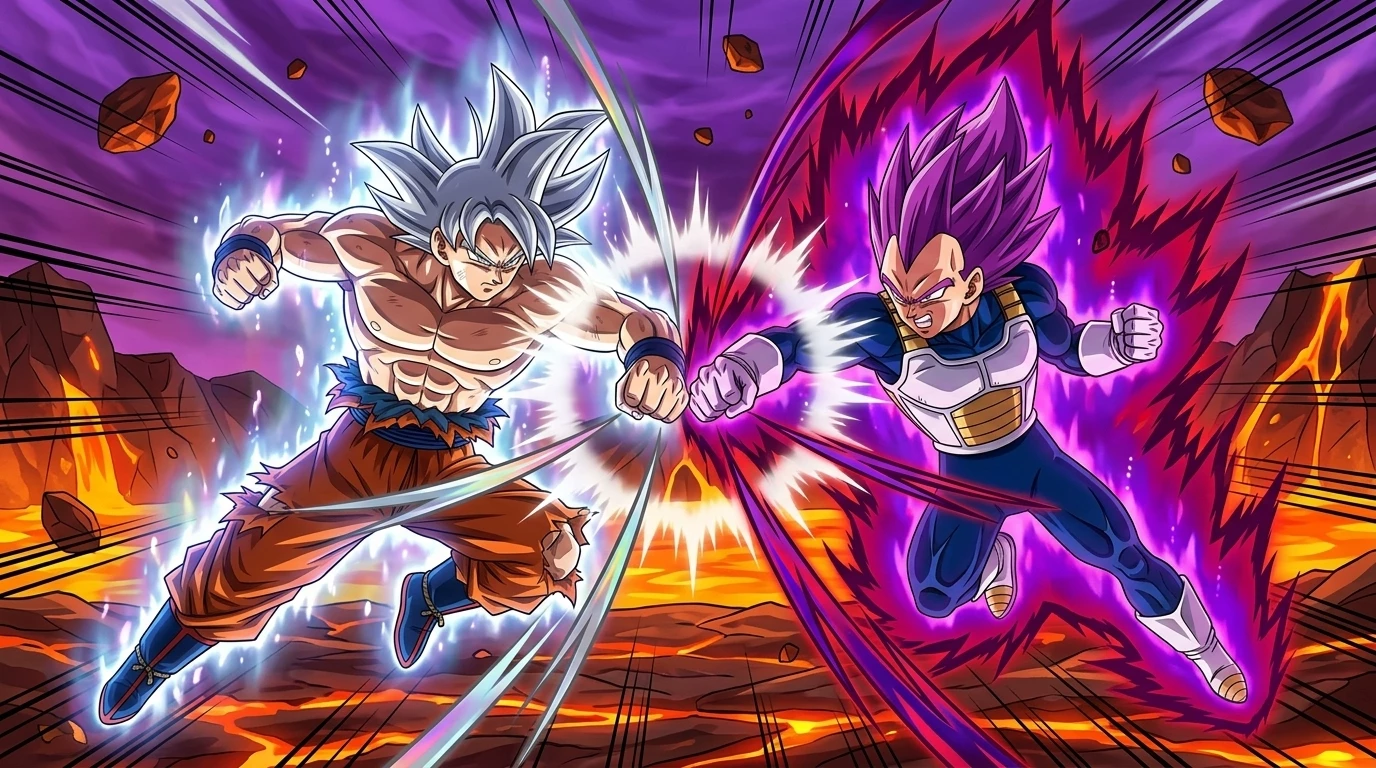
Sparking Zero May 26 Update Adds Demon World Stage and Reworks Transformation Healing
May 27, 2026Bandai Namco shipped a free Dragon Ball: Sparking Zero update on May 26, 2026 that introduces a new Demon World stage, overhauls transformation healing, and confirms the Daima Character Pack and Shallot DLC for release on June 27, 2026....
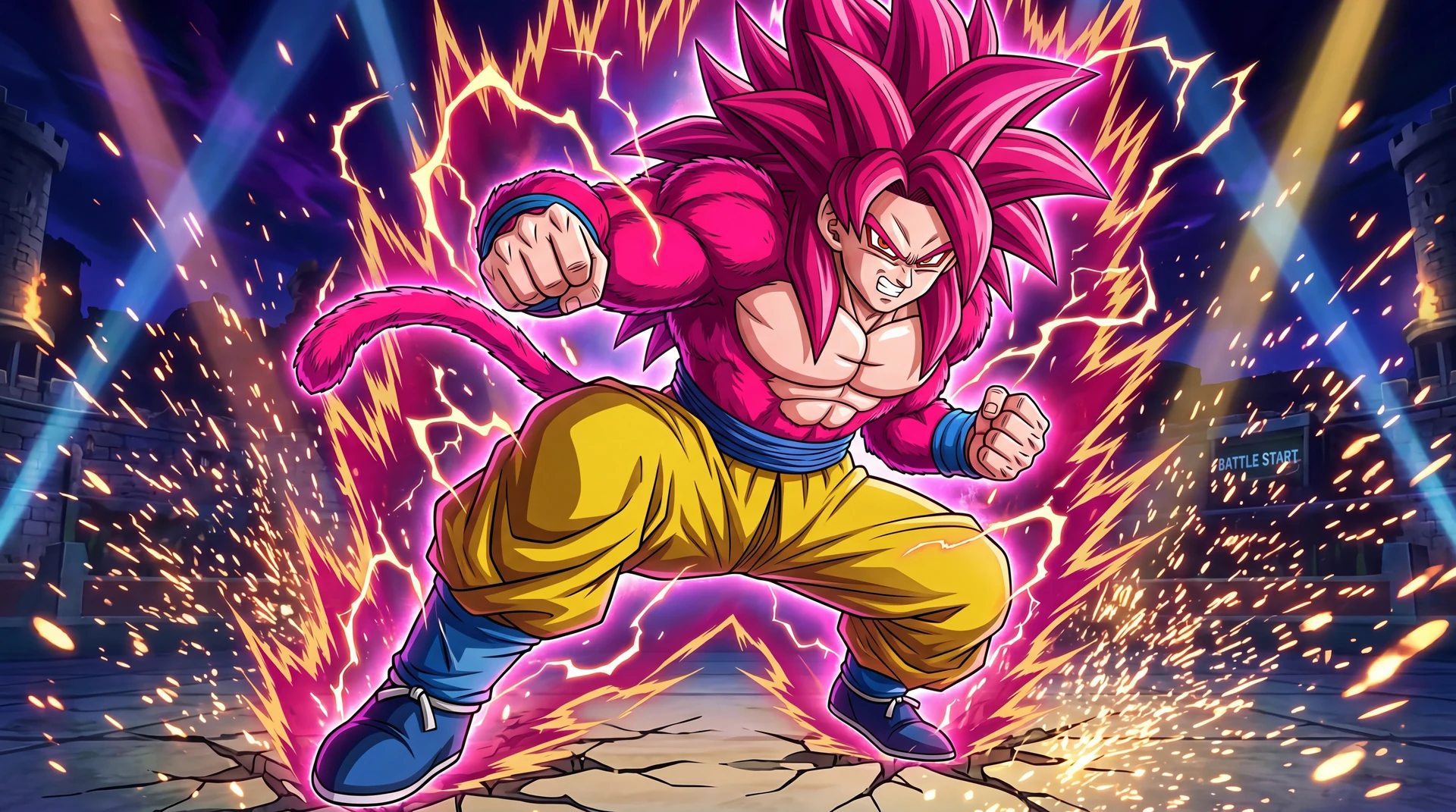
Dragon Ball FighterZ Adds Super Saiyan 4 Goku From Daima
May 25, 2026Dragon Ball FighterZ added Super Saiyan 4 Goku, the form featured in the Daima anime, as DLC on April 22, 2026. The 2018 fighting game is still getting new content nearly eight years on....
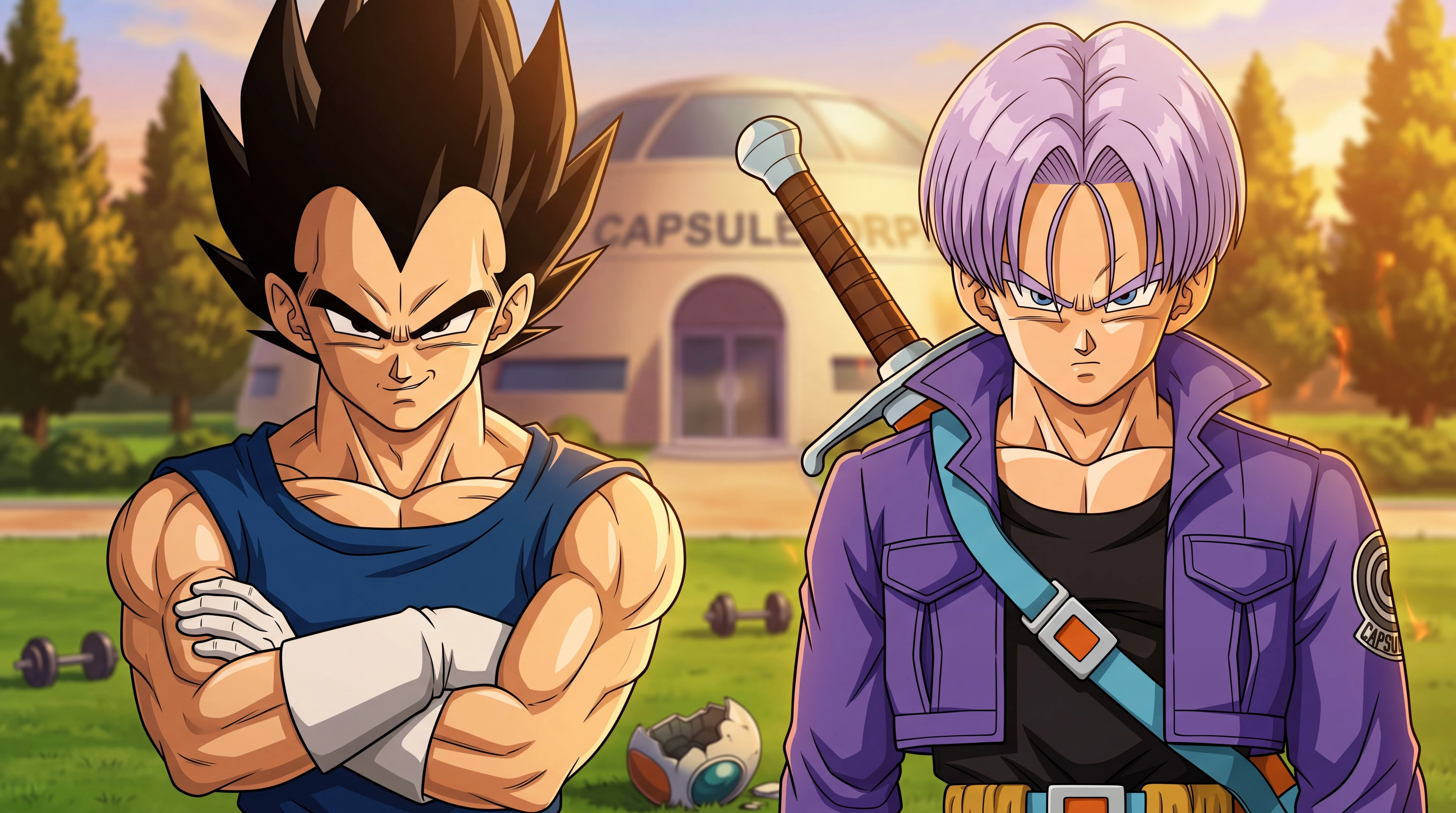
Dragon Ball Sparking Zero Super Limit-Breaking NEO DLC Adds 30 Plus Fighters for Summer 2026
Apr 20, 2026Bandai Namco and Spike Chunsoft unveiled the Super Limit-Breaking NEO expansion for Dragon Ball Sparking Zero at Battle Hour 2026. Summer 2026 release, 30 plus characters, four new stages, and a new solo mode....
Sources & Information
Looking for more on Let's! TV Play? The Dragon Ball Wiki on Fandom has a dedicated page with community notes.
View on FandomThis content is original writing by Daddy Jim Headquarters based on the Dragon Ball anime series, manga, and official materials. Episode and chapter references are cited where applicable.
Character and scene imagery on this site is original artwork by Daddy Jim Headquarters, not screenshots or licensed imagery. Official cover art is used on three types of pages for editorial commentary:
- Movie pages: theatrical posters and key visuals, credited to Toei Animation and Shueisha.
- Game pages: official box art, credited to Bandai Namco, Atari, and other publishers.
- Manga chapter pages: Jump Comics volume covers, credited to Shueisha and Akira Toriyama.
Browse our episode guides:
Official resources:
Dragon Ball Music by Daddy Jim Headquarters
Come listen to some Dragon Ball R&B.
Help Us Keep This Wiki Accurate
Daddy Jim Headquarters maintains this encyclopedia across 13 languages. If you spot an error, a translation issue, or something that doesn't look right, let us know.