Transformation
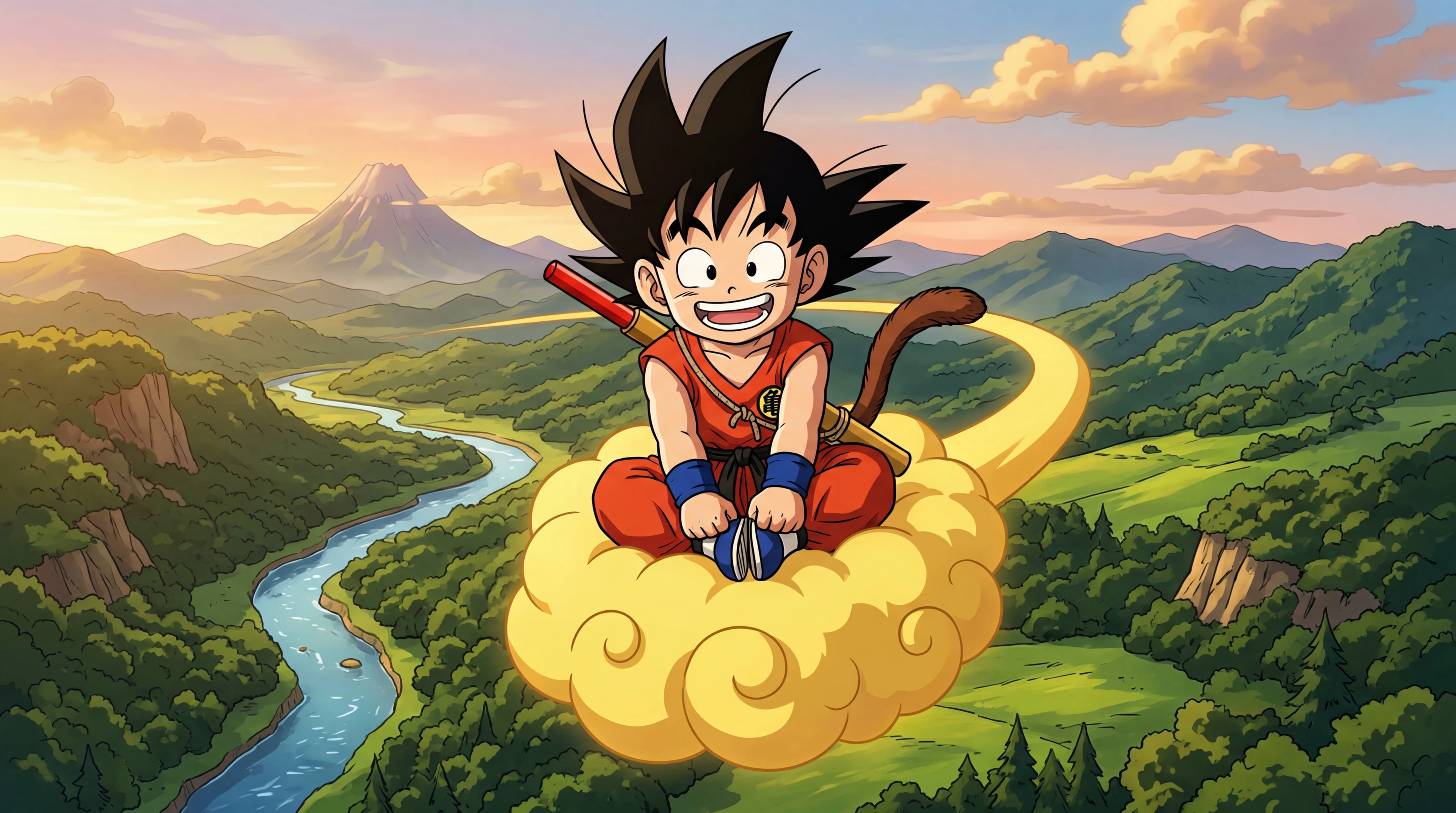
OtherThe overarching concept encompassing all physical and energetic changes that fighters undergo to increase their combat power in Dragon Ball. Transformations are the defining mechanical system of the franchise, providing the dramatic power escalations that drive virtually every major conflict from the Saiyan Saga onward.
Transformations in Dragon Ball
Transformations are the single most important mechanical concept in Dragon Ball's combat system. While the original Dragon Ball series emphasized martial arts technique, training, and strategy, the franchise's evolution from Dragon Ball Z onward increasingly centered on the ability of fighters to change their physical form and multiply their power. The Super Saiyan transformation, debuting on Planet Namek, established the template that would define the series for decades.
The transformation concept serves multiple narrative functions simultaneously. It provides visual spectacle through dramatic physical changes. It creates clear power hierarchies that audiences can follow. It gives characters goals to strive toward and milestones to achieve. And it generates the moments of dramatic revelation that have become Dragon Ball's signature storytelling device: the instant when a character achieves a new form and the entire dynamic of a battle shifts.
Transformations in Dragon Ball span an enormous range of types and mechanisms. Biological transformations like Super Saiyan are triggered by genetic factors and emotional catalysts. Fusion techniques like Potara and the Fusion Dance merge two individuals into one. Absorption allows entities like Cell and Buu to incorporate others into themselves. Divine forms like Ultra Instinct and Ultra Ego connect the user to cosmic principles. Equipment-based transformations use external items. Each category operates on different rules and produces different results, creating a rich and varied system of power escalation.



Frequently Asked Questions
What is a Transformation in Dragon Ball?
The overarching concept encompassing all physical and energetic changes that fighters undergo to increase their combat power in Dragon Ball. Transformations are the defining mechanical system of the franchise, providing the dramatic power escalations that drive virtually every major conflict from the Saiyan Saga onward.
When did transformations become central to Dragon Ball?
While the original Dragon Ball series emphasized martial arts technique, training, and strategy, the franchise's evolution from Dragon Ball Z onward increasingly centered on the ability of fighters to change their physical form and multiply their power. The Super Saiyan transformation, debuting on Planet Namek, established the template that would define the series for decades.
Why are transformations so important to Dragon Ball's storytelling?
The transformation concept serves multiple narrative functions simultaneously. It provides visual spectacle through dramatic physical changes.
What types of transformations exist in Dragon Ball?
Biological transformations like Super Saiyan are triggered by genetic factors and emotional catalysts. Fusion techniques like Potara and the Fusion Dance merge two individuals into one.
How do different transformation categories work?
Transformations are the single most important mechanical concept in Dragon Ball's combat system. Transformations in Dragon Ball span an enormous range of types and mechanisms.
Sources & Information
Looking for more on Transformation? The Dragon Ball Wiki on Fandom has a dedicated page with community notes.
View on FandomThis content is original writing by Daddy Jim Headquarters based on the Dragon Ball anime series, manga, and official materials. Episode and chapter references are cited where applicable.
Character and scene imagery on this site is original artwork by Daddy Jim Headquarters, not screenshots or licensed imagery. Official cover art is used on three types of pages for editorial commentary:
- Movie pages: theatrical posters and key visuals, credited to Toei Animation and Shueisha.
- Game pages: official box art, credited to Bandai Namco, Atari, and other publishers.
- Manga chapter pages: Jump Comics volume covers, credited to Shueisha and Akira Toriyama.
Browse our episode guides:
Official resources:
Help Us Keep This Wiki Accurate
Daddy Jim Headquarters maintains this encyclopedia. If you spot an error, a translation issue, or something that doesn't look right, let us know.