Formation
TechniqueFormation is the magical girl-style transformation used by fighters from Universe 2 in the Tournament of Power. Most prominently associated with Ribrianne, Roasie, and Kakunsa, the transformation involves an elaborate posing sequence that channels the power of love into a complete physical metamorphosis. The concept parodies the magical girl genre common in anime, applied to the context of a martial arts tournament.
Universe 2's Warriors of Love
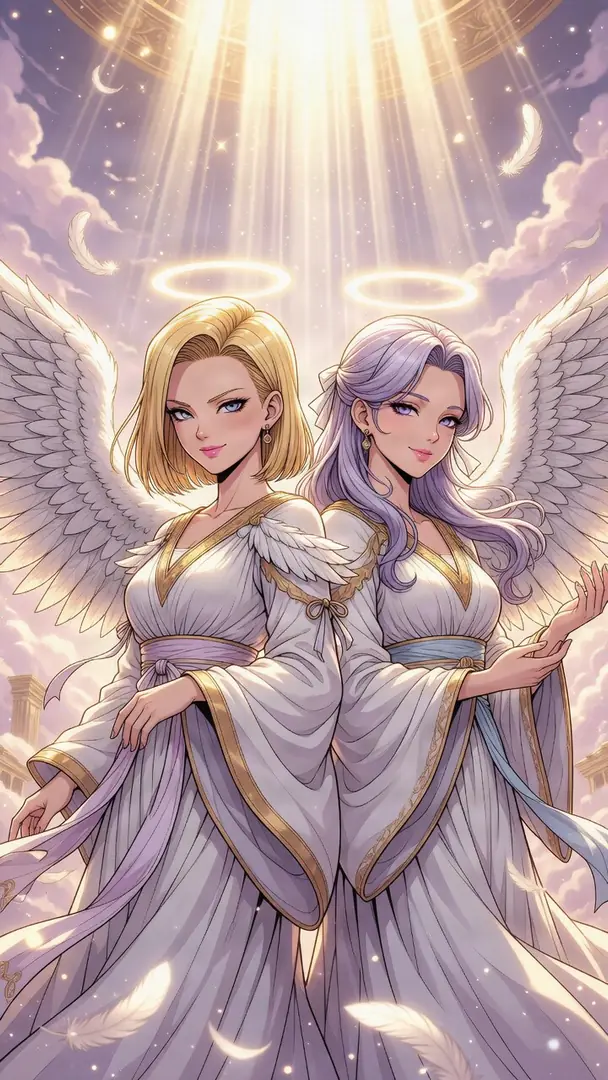
The fighters of Universe 2 activate their formations through elaborate posing routines accompanied by declarations of love and beauty. The transformation sequence is visually dramatic, involving swirling hearts, bright lights, and complete physical restructuring. Ribrianne transforms from Brianne de Chateau into a large, spherical warrior clad in a butterfly-themed outfit. Roasie becomes a sleek, energy-based fighter, and Kakunsa takes on a bestial, cat-like form. The male fighters of Universe 2, including Zirloin, Rabanra, and Zarbuto, have their own equivalent formations that were revealed later in the tournament.
Power of Love in Combat
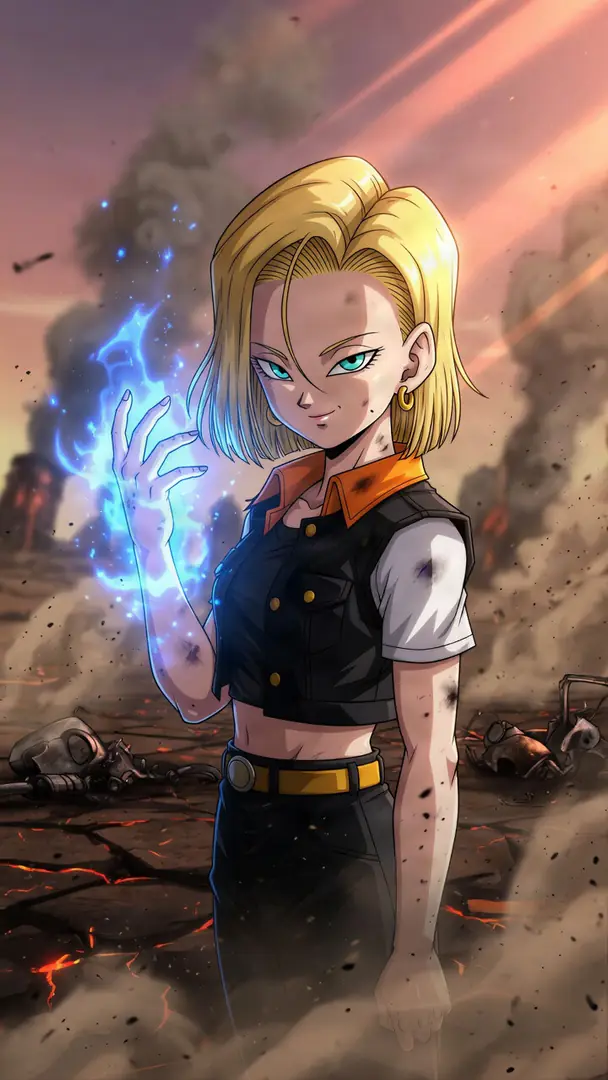
Despite their comical appearance, the Formation transformations provided genuine combat power. Ribrianne was able to trade blows with Vegeta and Android 18, and her love-based energy attacks could spread across the arena in wide-area assaults. However, the fighters of Universe 2 were ultimately outmatched by the raw power of Universe 7's Saiyans. Android 18 in particular proved to be Ribrianne's most persistent opponent, viewing the Universe 2 fighter's obsession with love-based power as superficial. The formations represented an interesting alternative power system within the Dragon Ball multiverse, one rooted in emotion and conviction rather than ki training.
Frequently Asked Questions
What is the Formation in Dragon Ball?
Formation is the magical girl-style transformation used by fighters from Universe 2 in the Tournament of Power. Most prominently associated with Ribrianne, Roasie, and Kakunsa, the transformation involves an elaborate posing sequence that channels the power of love into a complete physical metamorphosis. The concept parodies the magical girl genre common in anime, applied to the context of a martial arts tournament.
How does Formation work?
The fighters of Universe 2 activate their formations through elaborate posing routines accompanied by declarations of love and beauty. The transformation sequence is visually dramatic, involving swirling hearts, bright lights, and complete physical restructuring. Ribrianne transforms from Brianne de Chateau into a large, spherical warrior clad in a butterfly-themed outfit.
When does Formation first appear?
Formation first appears in Which Universe Will Win Their Place? The Mighty Warriors Gradually Assemble!. Formation is the magical girl-style transformation used by fighters from Universe 2 in the Tournament of Power.
What variations of Formation exist?
Documented variations of Formation include Ribrianne, Roasie, Kakunsa, the male Universe 2 fighters Zirloin, Rabanra, and Zarbuto also have their own formations. Formation is the magical girl-style transformation used by fighters from Universe 2 in the Tournament of Power.
What type of attack is Formation?
Formation is classified as a Transformation technique within the Dragon Ball series. Formation is the magical girl-style transformation used by fighters from Universe 2 in the Tournament of Power. Most prominently associated with Ribrianne, Roasie, and Kakunsa, the transformation involves an elaborate posing sequence that channels the power of love into a complete physical metamorphosis.
Sources & Information
Looking for more on Formation? The Dragon Ball Wiki on Fandom has a dedicated page with community notes.
View on FandomThis content is original writing by Daddy Jim Headquarters based on the Dragon Ball anime series, manga, and official materials. Episode and chapter references are cited where applicable.
Character and scene imagery on this site is original artwork by Daddy Jim Headquarters, not screenshots or licensed imagery. Official cover art is used on three types of pages for editorial commentary:
- Movie pages: theatrical posters and key visuals, credited to Toei Animation and Shueisha.
- Game pages: official box art, credited to Bandai Namco, Atari, and other publishers.
- Manga chapter pages: Jump Comics volume covers, credited to Shueisha and Akira Toriyama.
Browse our episode guides:
Official resources:
Help Us Keep This Wiki Accurate
Daddy Jim Headquarters maintains this encyclopedia. If you spot an error, a translation issue, or something that doesn't look right, let us know.