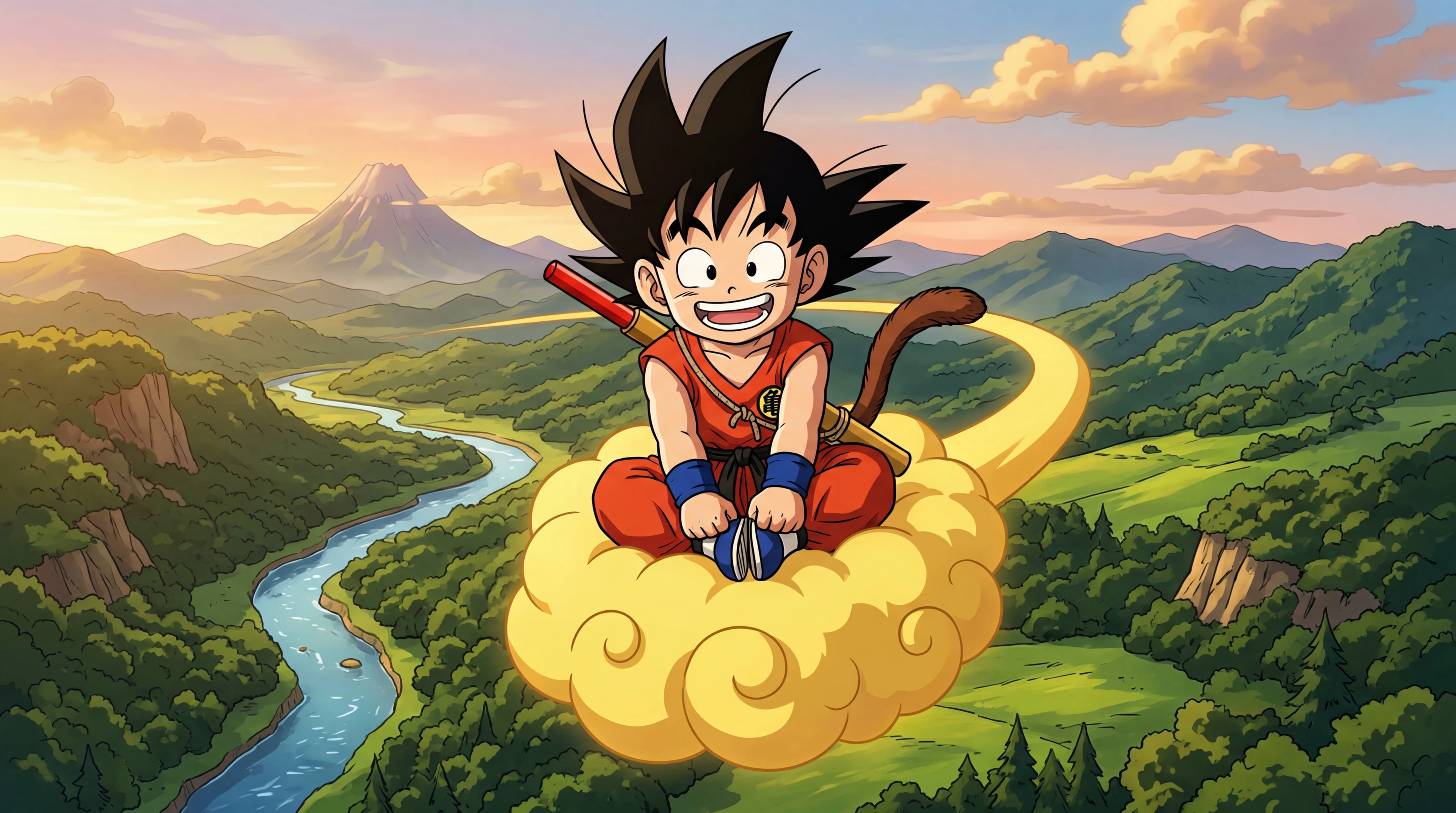
Transforming Ability
TechniqueThe innate capacity possessed by certain species and individuals to change their physical form and access different levels of power. While "transformation" refers to the act itself, "transforming ability" describes the underlying biological, magical, or spiritual capability that makes transformation possible in the first place.
The Gift of Transformation
Not all beings in the Dragon Ball universe possess the ability to transform. Humans, despite being capable martial artists and ki users, lack any natural transformation pathway. Their power growth is limited to training their base form and developing techniques. Saiyans, by contrast, possess multiple transformation lines (Super Saiyan, Great Ape) as part of their racial biology. This fundamental distinction between races that can transform and those that cannot is one of the defining factors in Dragon Ball's power dynamics.
Transforming ability manifests in different ways across different species. Saiyans transform through a combination of genetic factors (S-Cells, presence of a tail) and emotional triggers (rage, desperation, righteousness). Frost Demons like Frieza use transformation to suppress their power into manageable forms, with their "true" form actually being their base state. Namekians can grow in size, regenerate, and achieve power boosts through fusion with other Namekians. Each species' transforming ability follows its own rules and logic.
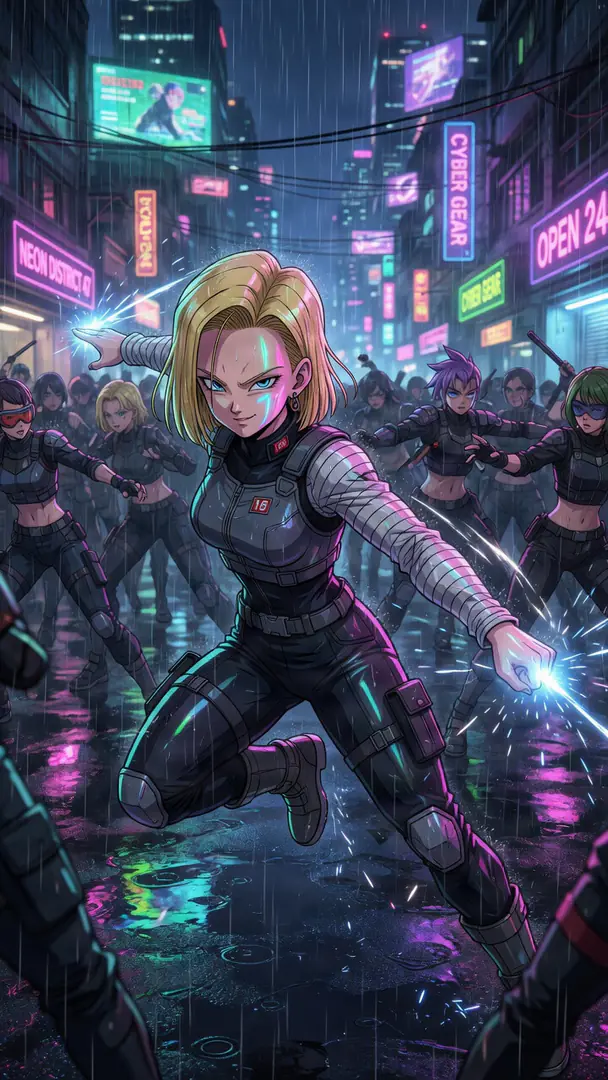
Artificial beings like the androids and Cell represent a different approach entirely. Rather than biological transforming ability, these characters were engineered with power states built into their design. Cell's progression from Imperfect to Semi-Perfect to Perfect was a designed function rather than a natural evolution. The androids' unlimited energy supply functions as a mechanical substitute for biological transformation, providing sustained power without the need for form changes.

Frequently Asked Questions
What is Transforming Ability in Dragon Ball?
Transforming Ability is the innate capacity possessed by certain species and individuals to change their physical form and access different levels of power. While "transformation" refers to the act itself, "transforming ability" describes the underlying biological, magical, or spiritual capability that makes transformation possible. Not all beings possess it; humans, despite being capable martial artists and ki users, lack any natural transformation pathway.
Does transforming into a Super Saiyan hurt?
The wiki source on Transforming Ability notes that Saiyans transform through a combination of genetic factors and emotional triggers like rage, desperation, and righteousness, but does not directly catalogue the physical sensation of Super Saiyan transformation. What the source does establish is that the transformation requires meeting both biological prerequisites (S-Cells, presence of a tail in earlier eras) and emotional ones, suggesting an intense emotional and physical demand on the body.
Why can Saiyans transform but Humans cannot?
Saiyans possess multiple transformation lines as part of their racial biology, including Super Saiyan and Great Ape, while humans lack any natural transformation pathway. Human power growth is limited to training their base form and developing techniques. This fundamental distinction between races that can transform and those that cannot is one of the defining factors in Dragon Ball's power dynamics.
How do Frost Demons use Transforming Ability?
Frost Demons like Frieza use transformation in reverse, suppressing their power into manageable forms rather than ascending to greater ones. Their "true" form is actually their base state, with their other forms serving as ways to throttle the otherwise overwhelming output. This makes their transforming ability fundamentally different from Saiyans, who transform to reach higher power levels rather than to contain them.
Do Androids and Cell have Transforming Ability?
Androids and Cell represent a different approach entirely, with their power states engineered into their design rather than emerging from biological transforming ability. Cell's progression from Imperfect to Semi-Perfect to Perfect was a designed function rather than a natural evolution. The androids' unlimited energy supply functions as a mechanical substitute for biological transformation, providing sustained power without the need for form changes.
Sources & Information
Looking for more on Transforming Ability? The Dragon Ball Wiki on Fandom has a dedicated page with community notes.
View on FandomThis content is original writing by Daddy Jim Headquarters based on the Dragon Ball anime series, manga, and official materials. Episode and chapter references are cited where applicable.
Character and scene imagery on this site is original artwork by Daddy Jim Headquarters, not screenshots or licensed imagery. Official cover art is used on three types of pages for editorial commentary:
- Movie pages: theatrical posters and key visuals, credited to Toei Animation and Shueisha.
- Game pages: official box art, credited to Bandai Namco, Atari, and other publishers.
- Manga chapter pages: Jump Comics volume covers, credited to Shueisha and Akira Toriyama.
Browse our episode guides:
Official resources:
Help Us Keep This Wiki Accurate
Daddy Jim Headquarters maintains this encyclopedia. If you spot an error, a translation issue, or something that doesn't look right, let us know.