Hi-Tension
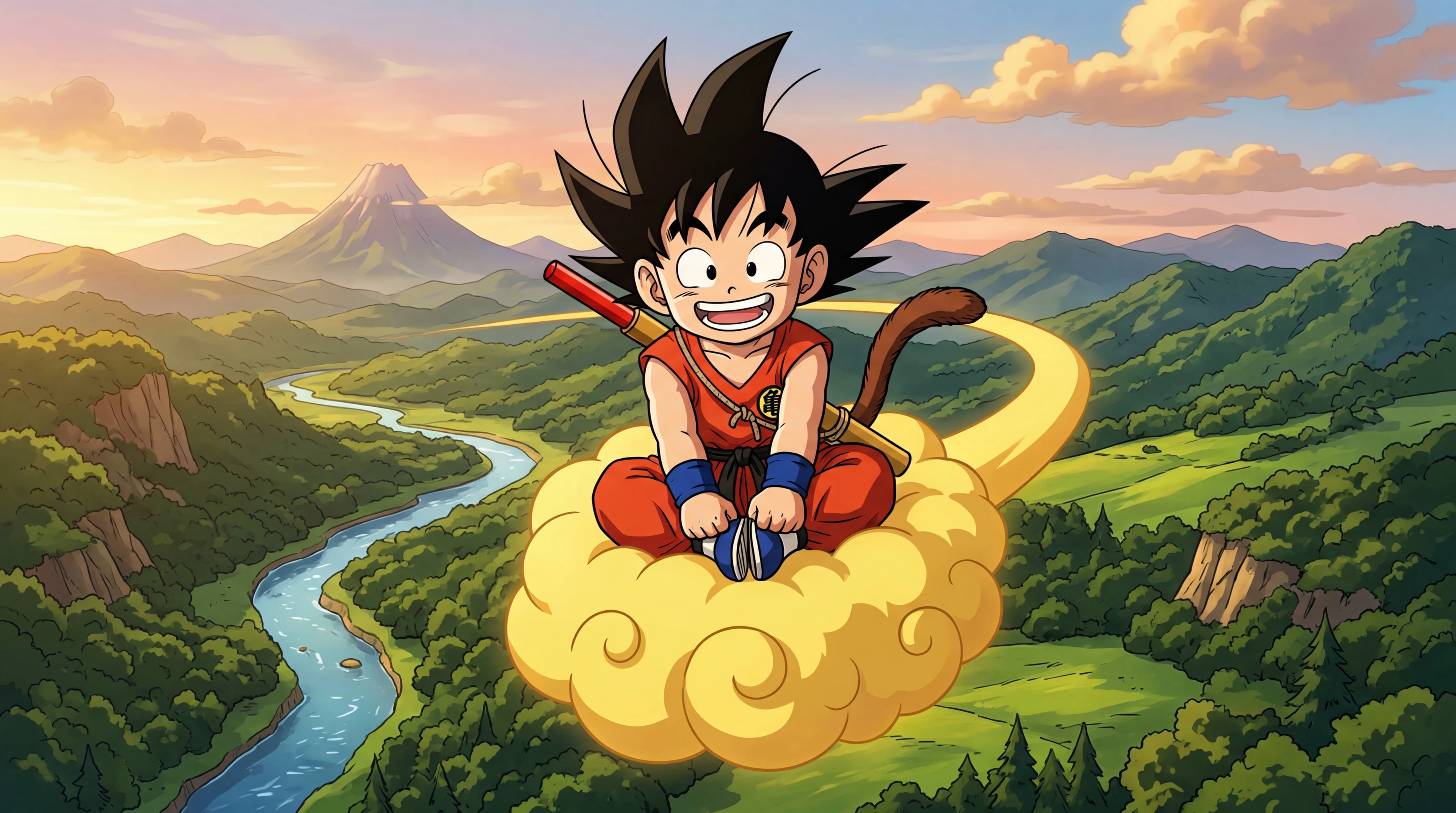
TransformationHi-Tension is a power-up state originating from the Dragon Ball Z: Budokai video game series. It functions as a universal transformation available to fighters who either lack traditional forms (like Mr. Satan) or as an intermediate step for those who can transform further. The mechanic represents a heightened state of combat readiness and aggression.
A Budokai Game Mechanic
In the Budokai game series, Hi-Tension (also referred to as High Tension in some versions) serves as a baseline power-up available to most characters. By building up their Ki gauge during combat, fighters can enter the Hi-Tension state, which increases their attack output and the rate at which they charge ki. For characters like Mr. Satan, who have no canonical transformations, Hi-Tension represents the peak of their in-game power. For characters like Goku or Vegeta, it serves as a first step toward their actual transformation chain.
Game-Specific Context
Hi-Tension is purely a video game mechanic and does not appear in the anime or manga. It was created to provide a universal power-up system that could apply to the entire roster of the Budokai games, ensuring that even characters without transformations had access to some form of power escalation during gameplay. The list of users includes an eclectic mix: GT Goku, Zarbon in his Monster Form, Frieza's Third Form, Lord Slug, Cell Jr., Pikkon, Gotenks, Vegito, and Super Buu, among many others. The mechanic has not carried over to more recent Dragon Ball games, which have developed different systems for handling power-ups and transformations.

Frequently Asked Questions
What is Hi-Tension in Dragon Ball?
Hi-Tension is a temporary power-up state introduced through Dragon Ball Heroes, in which a fighter channels their full hype and excitement into a sharp short-term boost. It is layered on top of any existing form and is depicted with a charged aura and intensified expression rather than a wholly new body.
How does Hi-Tension change the user's appearance?
Hi-Tension gives the user a visible aura, and their stance becomes more aggressive and combat-ready. The body itself remains in its current form, with the change reading as a focused readiness burst rather than a full transformation.
What advantages does Hi-Tension provide?
Hi-Tension increases attack damage and ki charge speed, and it serves as a stepping stone toward more powerful transformations for characters who possess them. The boost is small in absolute terms but timed to give the user a critical edge in a single exchange.
What are the drawbacks of Hi-Tension?
The state consumes ki to maintain, so it cannot be sustained indefinitely. Characters without higher transformations are stuck at this tier, which makes Hi-Tension a hard ceiling for fighters who lack stronger named forms.
Is Hi-Tension canon to Dragon Ball Super?
Hi-Tension is not part of the main canonical Dragon Ball Super manga or anime. It originates from Dragon Ball Heroes and related supplementary material, where it serves as a recurring temporary buff for the Time Patrol cast and various crossover characters.
Sources & Information
Looking for more on Hi-Tension? The Dragon Ball Wiki on Fandom has a dedicated page with community notes.
View on FandomThis content is original writing by Daddy Jim Headquarters based on the Dragon Ball anime series, manga, and official materials. Episode and chapter references are cited where applicable.
Character and scene imagery on this site is original artwork by Daddy Jim Headquarters, not screenshots or licensed imagery. Official cover art is used on three types of pages for editorial commentary:
- Movie pages: theatrical posters and key visuals, credited to Toei Animation and Shueisha.
- Game pages: official box art, credited to Bandai Namco, Atari, and other publishers.
- Manga chapter pages: Jump Comics volume covers, credited to Shueisha and Akira Toriyama.
Browse our episode guides:
Official resources:
Help Us Keep This Wiki Accurate
Daddy Jim Headquarters maintains this encyclopedia. If you spot an error, a translation issue, or something that doesn't look right, let us know.