Super Hearts
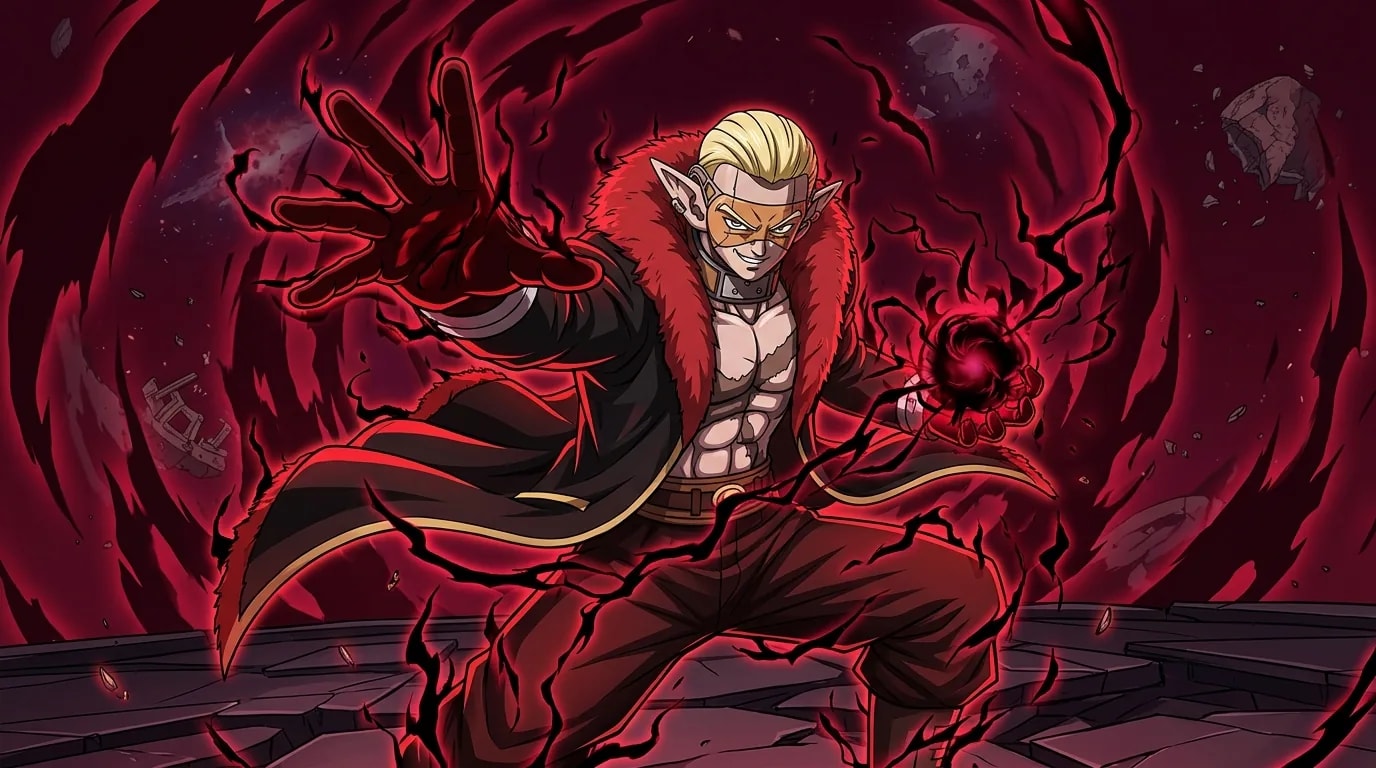
TransformationThe ultimate form of Hearts, leader of the Core Area Warriors, achieved by absorbing the fully matured Universe Seed in Super Dragon Ball Heroes. This transformation granted Hearts power on a cosmic scale, enabling him to challenge multiple god-tier fighters simultaneously in his quest to liberate mortals from the control of the divine hierarchy.
The God Killer Ascends
Hearts's journey throughout the Universal Conflict Saga of Super Dragon Ball Heroes was defined by a single objective: gather enough energy to fully mature the Universe Seed, an artifact with the potential to birth an entirely new universe. To accomplish this, Hearts and his Core Area Warriors invaded multiple universes, battling their strongest fighters and siphoning combat energy into the Seed. Universe 6, Universe 11, and Universe 7 all fell victim to these raids.
When the Universe Seed reached full maturity, Hearts absorbed it directly into his body. The resulting transformation was cataclysmic. His body became encased in crystalline structures formed from the condensed universal energy, and his power surged to a level that dwarfed anything he had previously demonstrated. Super Hearts, as this form is known, possessed enough raw power to simultaneously fight against Super Saiyan Blue Goku and Vegeta, Golden Frieza, Hit, and Jiren without being overwhelmed.
Hearts's motivation made him a unique antagonist. Unlike most Dragon Ball villains who seek power for selfish reasons, Hearts genuinely believed he was liberating mortals from divine tyranny. He viewed Zeno's absolute authority over all universes as an unjust arrangement that left mortal beings living under the constant threat of erasure. Super Hearts was meant to be the weapon that would end that threat permanently by destroying Zeno himself. In his final moments, even after being defeated, Hearts expressed admiration for the mortal fighters who had surpassed their limitations to stop him.

Frequently Asked Questions
What is Super Hearts?
Super Hearts is the transformation Hearts takes on after absorbing a fragment of the Universe Seed during the Universal Conflict Saga of Super Dragon Ball Heroes. The state amplifies his existing godlike power with the seed's universe-warping energy, marking an intermediate tier before his final King of Destruction form.
How does Super Hearts change his appearance?
Hearts's body becomes encased in crystalline armor formed from the Universe Seed. His hair becomes wilder and more unruly. Energy constructs resembling geometric shapes orbit around him. His eyes glow intensely, and the overall visual impression is of a being who has transcended his original mortal limitations by harnessing cosmic-scale power.
What are the requirements for Super Hearts?
Hearts must absorb the fully matured Universe Seed, an artifact containing enough energy to create an entirely new universe. The Seed must be fully charged with energy gathered from multiple universes before it can trigger this transformation.
How strong is Super Hearts?
Super Hearts is depicted at a level that rivals or exceeds the combined power of multiple Super Saiyan Blue-tier fighters. It is the intermediate step that establishes him as a god-tier threat before he completes the Universe Seed and ascends to King of Destruction.
Is Super Hearts canon?
Super Hearts is not part of the main canonical Dragon Ball Super manga or anime. The form originates in Super Dragon Ball Heroes, where Hearts serves as the central antagonist of the Universal Conflict Saga.
Sources & Information
Looking for more on Super Hearts? The Dragon Ball Wiki on Fandom has a dedicated page with community notes.
View on FandomThis content is original writing by Daddy Jim Headquarters based on the Dragon Ball anime series, manga, and official materials. Episode and chapter references are cited where applicable.
Character and scene imagery on this site is original artwork by Daddy Jim Headquarters, not screenshots or licensed imagery. Official cover art is used on three types of pages for editorial commentary:
- Movie pages: theatrical posters and key visuals, credited to Toei Animation and Shueisha.
- Game pages: official box art, credited to Bandai Namco, Atari, and other publishers.
- Manga chapter pages: Jump Comics volume covers, credited to Shueisha and Akira Toriyama.
Browse our episode guides:
Official resources:
Help Us Keep This Wiki Accurate
Daddy Jim Headquarters maintains this encyclopedia. If you spot an error, a translation issue, or something that doesn't look right, let us know.