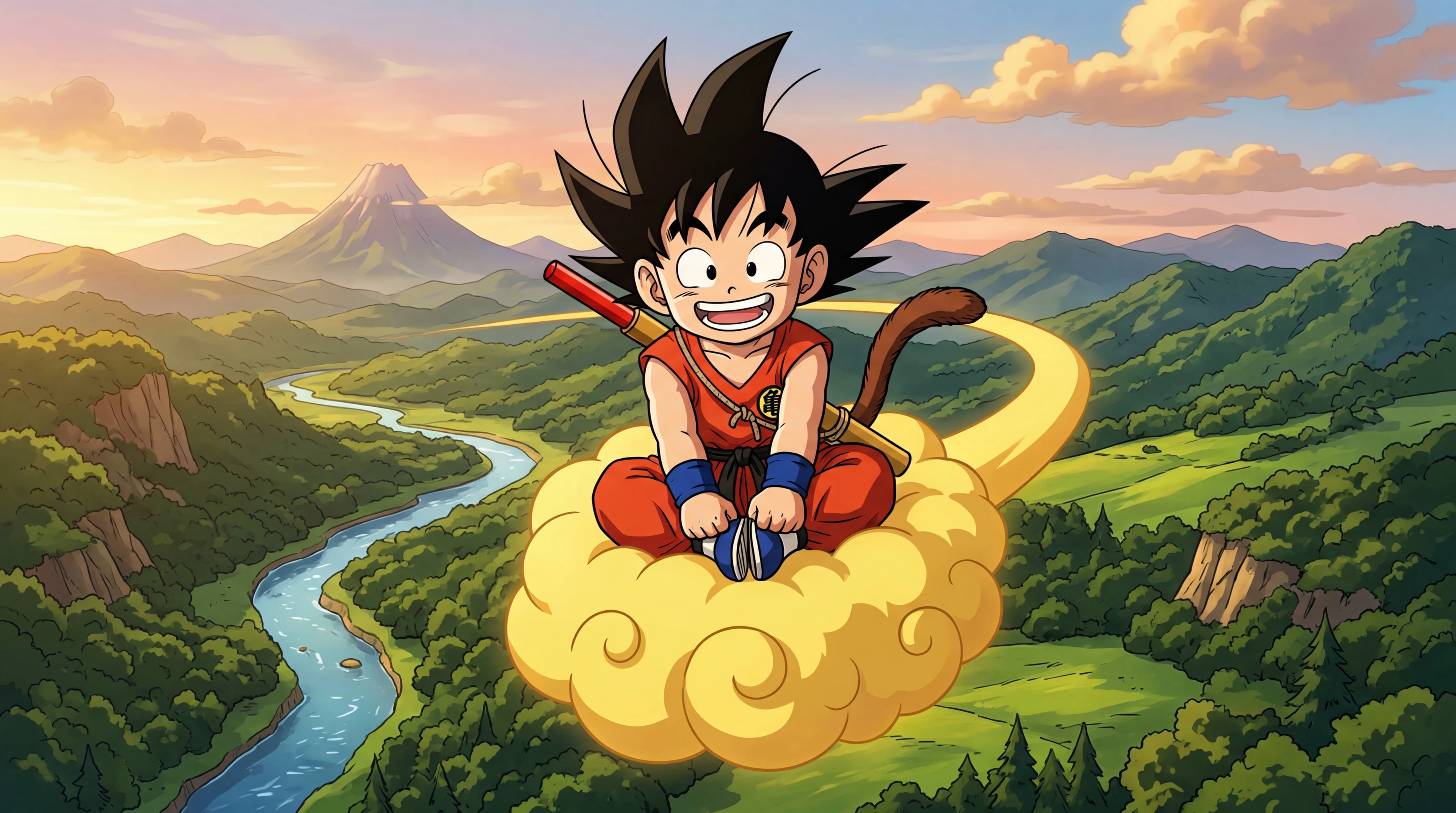
Super Saiyan 4 Kaio-ken
TransformationA combination technique that layers King Kai's Kaio-ken amplification on top of Super Saiyan 4, appearing in Super Dragon Ball Heroes. By activating Kaio-ken while in the SS4 state, the user temporarily multiplies their already immense power at the cost of severe physical strain.
Stacking Techniques
Kaio-ken has a long history as a stackable technique in Dragon Ball. Goku first used it in his base form against Vegeta during the Saiyan Saga, and later combined it with Super Saiyan Blue during the Tournament of Power in Dragon Ball Super. The principle is consistent: Kaio-ken multiplies whatever power level the user currently has, making it more effective the higher the base form.
Applying Kaio-ken to Super Saiyan 4, which is itself an extraordinarily powerful transformation, produces results that are proportionally extreme. In Super Dragon Ball Heroes, this combination is used in situations where standard SS4 is insufficient against particularly powerful adversaries, providing a short but dramatic power boost.
Risk and Reward
The danger of combining Kaio-ken with any transformation is well established. During the Tournament of Power, Goku's use of Kaio-ken times twenty with Super Saiyan Blue left him temporarily incapacitated. Stacking it with SS4, a form that already places significant demands on the body, would logically compound those risks. In Heroes, the form is treated as a last resort precisely because of this danger. The user gains a massive power spike but can only maintain it briefly before the physical toll becomes unsustainable.

Frequently Asked Questions
What is Super Saiyan 4 Kaio-ken in Dragon Ball?
A combination technique that layers King Kai's Kaio-ken amplification on top of Super Saiyan 4, appearing in Super Dragon Ball Heroes. By activating Kaio-ken while in the SS4 state, the user temporarily multiplies their already immense power at the cost of severe physical strain. Must have achieved Super Saiyan 4 and know the Kaio-ken technique.
How is Super Saiyan 4 Kaio-ken achieved?
Must have achieved Super Saiyan 4 and know the Kaio-ken technique. Requires the physical durability to withstand the compounding strain of both techniques simultaneously.
What does Super Saiyan 4 Kaio-ken look like?
The red fur of Super Saiyan 4 gains an even deeper crimson hue from the Kaio-ken overlay. A red Kaio-ken aura layers on top of the existing SS4 aura. The user's body radiates visible heat distortion from the combined strain.
How powerful is Super Saiyan 4 Kaio-ken?
Super Saiyan 4 x Kaio-ken multiplier. Multiplies the already enormous power of Super Saiyan 4 by the Kaio-ken factor.
What are the drawbacks of Super Saiyan 4 Kaio-ken?
Extreme physical strain from combining two taxing techniques. The duration is severely limited. Risk of catastrophic body damage if maintained too long.
Sources & Information
Looking for more on Super Saiyan 4 Kaio-ken? The Dragon Ball Wiki on Fandom has a dedicated page with community notes.
View on FandomThis content is original writing by Daddy Jim Headquarters based on the Dragon Ball anime series, manga, and official materials. Episode and chapter references are cited where applicable.
Character and scene imagery on this site is original artwork by Daddy Jim Headquarters, not screenshots or licensed imagery. Official cover art is used on three types of pages for editorial commentary:
- Movie pages: theatrical posters and key visuals, credited to Toei Animation and Shueisha.
- Game pages: official box art, credited to Bandai Namco, Atari, and other publishers.
- Manga chapter pages: Jump Comics volume covers, credited to Shueisha and Akira Toriyama.
Browse our episode guides:
Official resources:
Help Us Keep This Wiki Accurate
Daddy Jim Headquarters maintains this encyclopedia. If you spot an error, a translation issue, or something that doesn't look right, let us know.