
Transcended
TransformationA power enhancement featured in Super Dragon Ball Heroes that pushes characters beyond their natural limits through dark magic or external empowerment. The Transcended state is typically granted by powerful entities like Demigra and can be layered on top of existing transformations, creating composite forms of immense power.
Surpassing Natural Limits
The Transcended state functions within Super Dragon Ball Heroes as a narrative tool for elevating familiar characters to new power levels. When a villain like Demigra grants the Transcended enhancement to an already powerful being, the result is a fighter whose abilities exceed anything their species or transformation should normally allow. This stacking principle is central to Heroes' approach to power escalation.
A notable example is Transcended Xeno Omega Shenron, who combined the already formidable power of Omega Shenron's Super Shadow Dragon form with the dark empowerment of the Transcended state. The resulting composite form was a threat that required the combined efforts of Heroes' most powerful protagonists to address. This kind of layered enhancement is characteristic of Heroes' storytelling, where the stakes are consistently raised by adding new power-ups to established characters.
The Transcended state raises questions about the cost of externally granted power. Unlike transformations achieved through personal effort, the Transcended enhancement comes from an outside source with its own agenda. Characters who accept this power may find themselves influenced or controlled by the entity that provided it, creating dramatic tension between the power gained and the autonomy potentially lost.

Frequently Asked Questions
What is Demigra's transcended form?
A power enhancement featured in Super Dragon Ball Heroes that pushes characters beyond their natural limits through dark magic or external empowerment. The Transcended state is typically granted by powerful entities like Demigra and can be layered on top of existing transformations, creating composite forms of immense power. Typically granted through dark magic or external empowerment from a powerful benefactor such as Demigra.
How is Transcended achieved?
Typically granted through dark magic or external empowerment from a powerful benefactor such as Demigra. The user must accept the dark energy enhancement, which may come with strings attached.
What does Transcended look like?
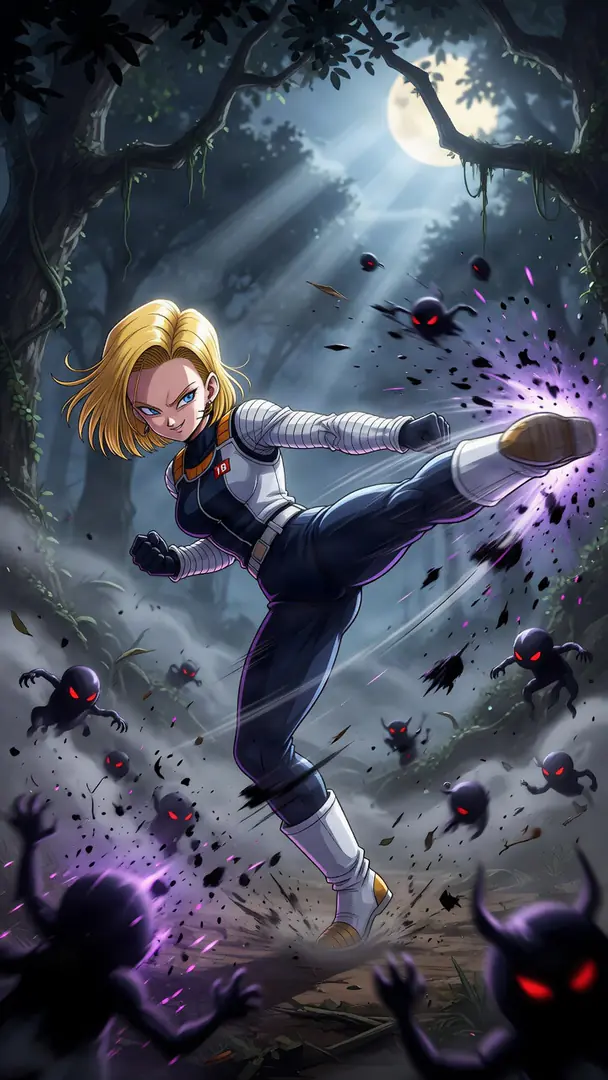
The user gains a dark, intense aura with red or crimson energy accents. Their eyes may glow with a menacing red hue. Physical features become sharper and more aggressive.
How powerful is Transcended?
Significant enhancement beyond the user's previous peak. Pushes the user beyond their natural ceiling, granting power they could never achieve through training alone.
What are the drawbacks of Transcended?
The dark energy source may come with external control or influence. The user's free will might be compromised by the power's source. The enhancement is dependent on the benefactor's continued support.
Sources & Information
Looking for more on Transcended? The Dragon Ball Wiki on Fandom has a dedicated page with community notes.
View on FandomThis content is original writing by Daddy Jim Headquarters based on the Dragon Ball anime series, manga, and official materials. Episode and chapter references are cited where applicable.
Character and scene imagery on this site is original artwork by Daddy Jim Headquarters, not screenshots or licensed imagery. Official cover art is used on three types of pages for editorial commentary:
- Movie pages: theatrical posters and key visuals, credited to Toei Animation and Shueisha.
- Game pages: official box art, credited to Bandai Namco, Atari, and other publishers.
- Manga chapter pages: Jump Comics volume covers, credited to Shueisha and Akira Toriyama.
Browse our episode guides:
Official resources:
Help Us Keep This Wiki Accurate
Daddy Jim Headquarters maintains this encyclopedia. If you spot an error, a translation issue, or something that doesn't look right, let us know.