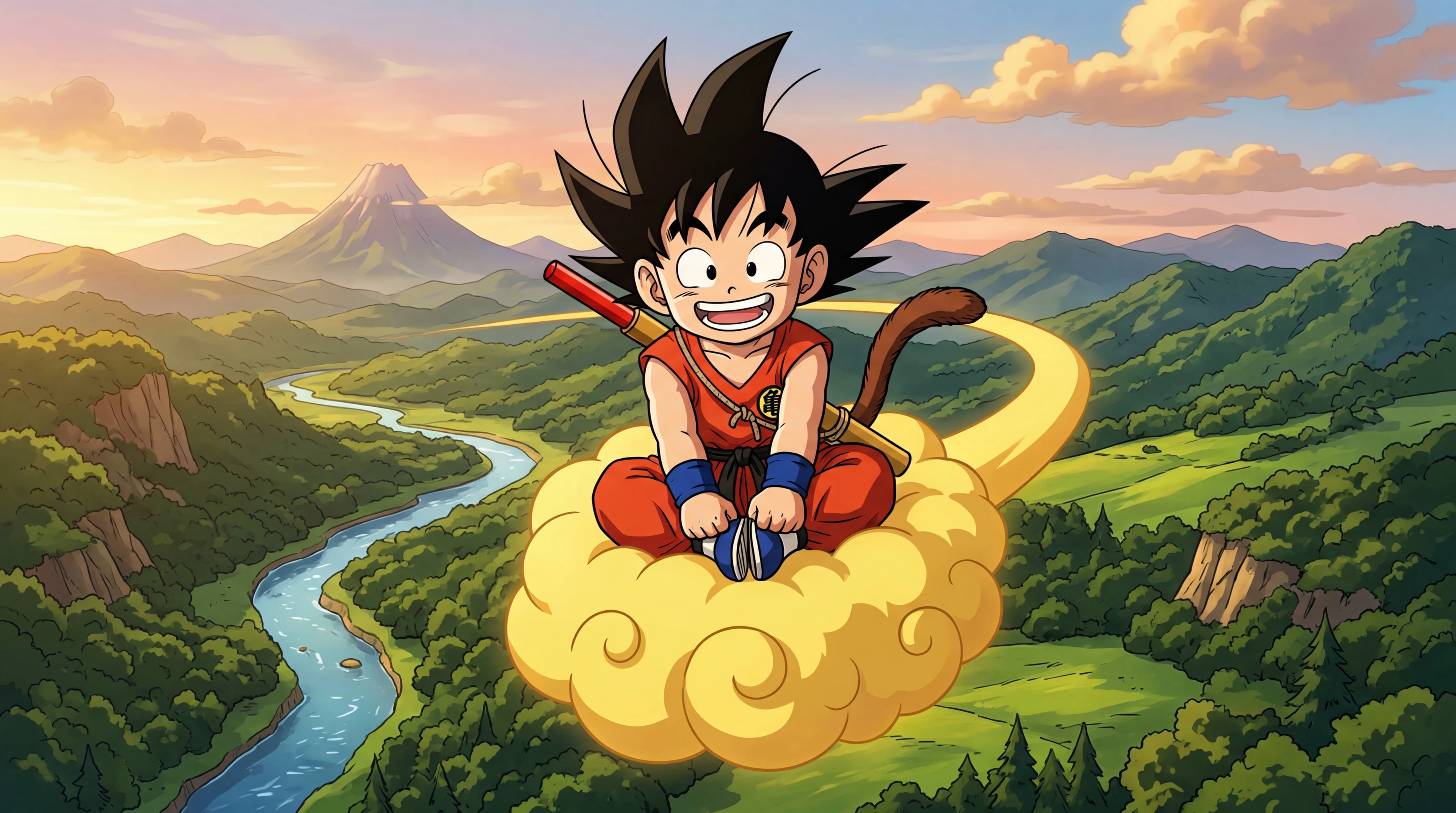
Hatsue Suzuki
AnimadorAnimadora japonesa de intercalación que animó fotogramas de transición en 37 episodios de Dragon Ball y contribuyó a la animación de películas.
Trabajo de animación en Dragon Ball
Suzuki trabajó como animadora de intercalación en la serie de anime original de Dragon Ball, aportando secuencias de animación intermedia a 37 episodios de varias sagas. Su trabajo abarcó la Saga del Emperador Pilaf, la Saga del Torneo, la Saga del Ejército de la Patrulla Roja, la Saga del General Blue, la Saga del Comandante Red, la Saga de la Adivina Baba y el comienzo de la Saga de Ten Shin Han, cubriendo arcos fundacionales que establecieron el lenguaje visual de la serie. Además, Suzuki aportó animación intermedia a las películas Dragon Ball: La leyenda de Shenron y Dragon Ball: La bella durmiente en el Castillo del Diablo, garantizando la coherencia visual entre las producciones episódicas y las cinematográficas.

Animación de intercalación
La intercalación es la columna vertebral, a menudo poco reconocida, de la producción de animación, que exige a los artistas dibujar decenas de fotogramas de transición entre las poses clave para crear un movimiento fluido. La habilidad técnica y la resistencia de Suzuki a lo largo de casi 40 episodios y dos películas reflejan el intenso trabajo que dio vida a las secuencias de acción y los movimientos de los personajes de Dragon Ball, haciendo que sus aportaciones fueran esenciales para el éxito del anime pese a que su labor permanece en gran medida sin acreditar en los debates generales.
Preguntas frecuentes
¿Quién es Hatsue Suzuki en Dragon Ball?
Hatsue Suzuki es una miembro del equipo japonés de Dragon Ball conocida como animadora de intercalación para el anime y las películas de Dragon Ball. Animadora de intercalación japonesa que animó fotogramas de transición a lo largo de 37 episodios de Dragon Ball y contribuyó a la animación de películas cinematográficas.
¿Qué trabajo de animación ha hecho Hatsue Suzuki en Dragon Ball?
Suzuki trabajó como animadora de intercalación en la serie de anime original de Dragon Ball, contribuyendo con secuencias de animación de intercalación a 37 episodios a través de múltiples sagas. Su trabajo abarcó la Saga del Emperador Pilaf, la Saga del Torneo, la Saga del Ejército de la Patrulla Roja, la Saga del General Blue, la Saga del Comandante Red, la Saga de Uranai Baba, y el comienzo de la Saga de Tenshinhan, cubriendo arcos fundacionales que.
¿Cuál es la nacionalidad de Hatsue Suzuki?
Hatsue Suzuki es japonesa, trabajando como miembro del equipo en Dragon Ball.
¿Qué más ha hecho Hatsue Suzuki en Dragon Ball?
La intercalación es la columna vertebral de la producción de animación que a menudo no se reconoce lo suficiente, requiriendo que los artistas dibujen docenas de fotogramas de transición entre poses clave para crear un movimiento suave. La habilidad técnica y la resistencia de Suzuki a través de casi 40 episodios y dos películas refleja el intenso trabajo que dio vida a las secuencias de acción y los movimientos de los personajes de Dragon Ball, haciéndola.
¿Cómo está conectada Hatsue Suzuki a Dragon Ball?
Animadora de intercalación japonesa que animó fotogramas de transición a lo largo de 37 episodios de Dragon Ball y contribuyó a la animación de películas cinematográficas.
Lectura relacionada
Ver todo
Krillin's on the Tinder: cómo el máximo short king sobrevivió al filtro de estatura
Tinder creó un filtro de estatura. Dragon Ball creó una leyenda de metro y medio. Esto es lo que pasó cuando enviamos al máximo short king al infierno de las citas modernas....
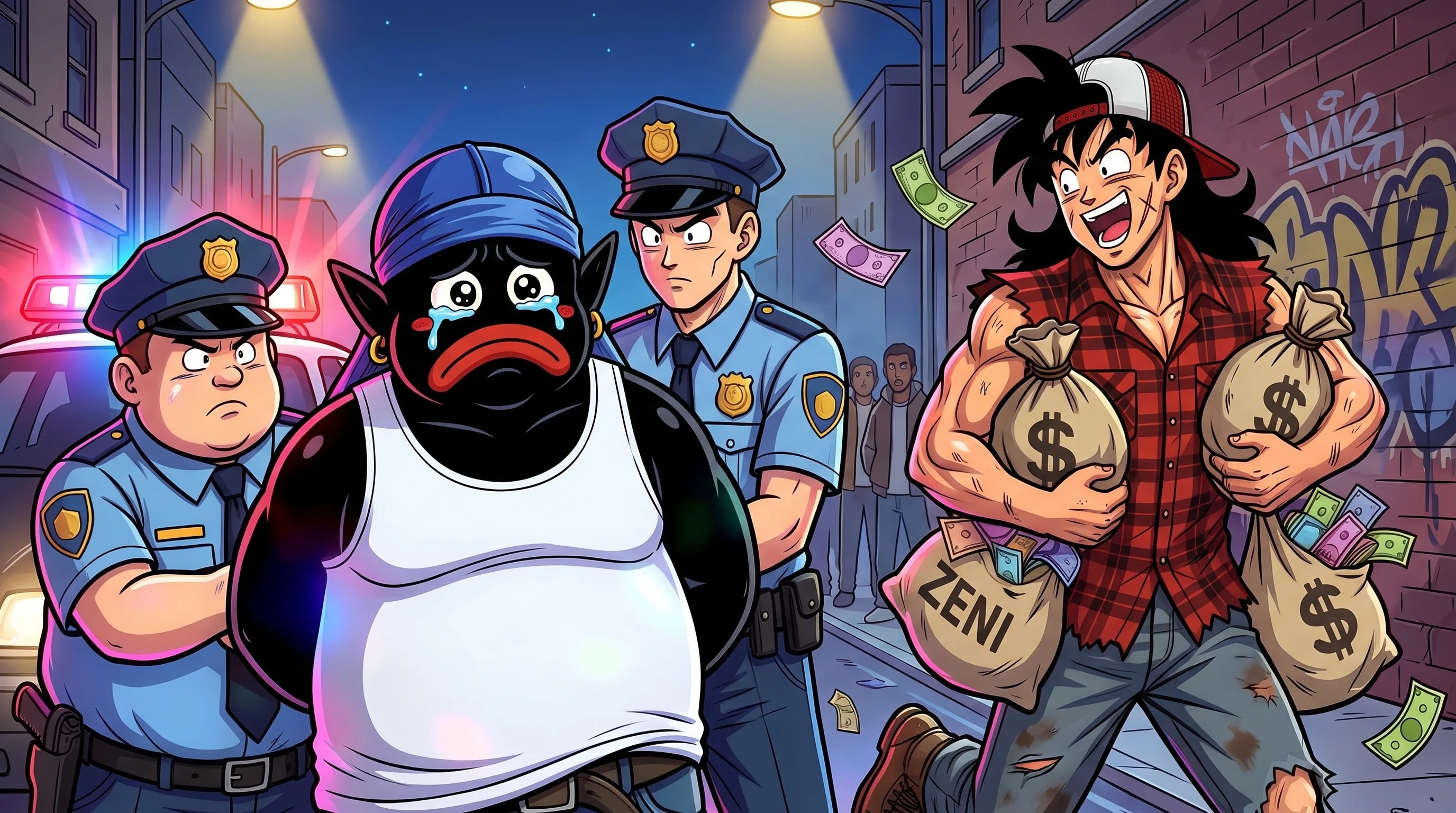
Infinite Zeni Glitch: cuando Yamcha nunca paga y Mr. Popo siempre lo hace
Internet encontró un truco de dinero infinito. Yamcha también. Un tema de R&B suave sobre el dinero más fácil del mundo de Dragon Ball y el único que sigue pagándolo....
Fuentes e información
¿Quieres saber más sobre Hatsue Suzuki? La Wiki de Dragon Ball en Fandom tiene una página dedicada con notas de la comunidad.
Ver en FandomEste contenido es texto original de Daddy Jim Headquarters, basado en el anime Dragon Ball, el manga y materiales oficiales. Las referencias de episodios y capítulos se citan cuando corresponde.
Las imágenes de personajes y escenas de este sitio son obras originales de Daddy Jim Headquarters, no capturas de pantalla ni imágenes con licencia. Las portadas oficiales se usan en tres tipos de páginas como comentario editorial:
- Páginas de películas: pósteres teatrales y visuales clave, con créditos a Toei Animation y Shueisha.
- Páginas de videojuegos: arte oficial de portadas, con créditos a Bandai Namco, Atari y otros editores.
- Páginas de capítulos de manga: portadas de volúmenes de Jump Comics, con créditos a Shueisha y Akira Toriyama.
Explora nuestras guías de episodios:
Recursos oficiales:
Ayúdanos a mantener esta wiki actualizada
Daddy Jim Headquarters mantiene esta enciclopedia. Si encuentras un error, un problema de traducción o algo que no parece correcto, háznoslo saber.