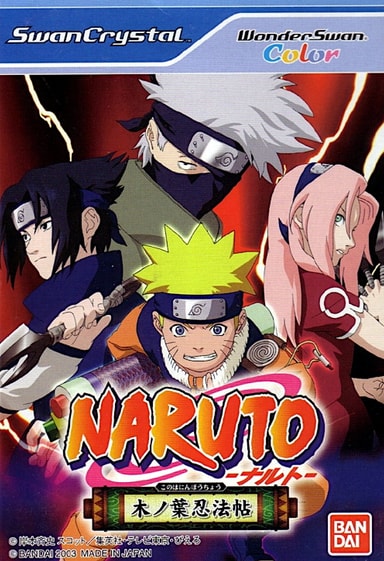
Naruto: Konoha Ninpocho is an RPG for the WonderSwan Color and the very first video game ever made from the Naruto franchise. Players build a scroll of ninjutsu, genjutsu, and taijutsu seals and use them as commands in battle, in a Japan only release.
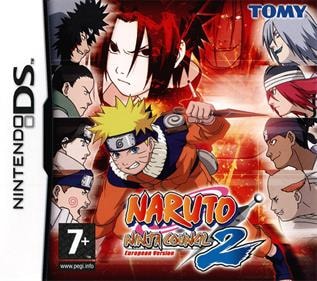
Naruto: Ninja Council 2 is a side-scrolling action game for Game Boy Advance, developed by Aspect and first published in Japan by Tomy in 2004. D3 Publisher brings it to North America in October 2006, and a PAL release follows the same year for European Game Boy Advance owners.
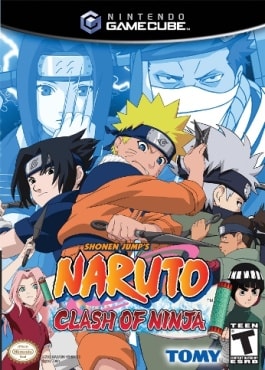
Naruto: Clash of Ninja is a 3D cel shaded fighting game for GameCube and the debut entry in Eighting's Clash of Ninja series. Two fighters drawn from the early Naruto anime face off in one on one battles built around basic strikes and chakra powered special techniques.
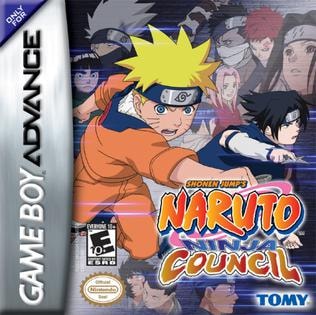
Naruto: Ninja Council is a side scrolling action game for Game Boy Advance and the first entry in the Ninja Council series. Known in Japan as Naruto: Ninjutsu Zenkai! Saikyō Ninja Daikesshu, it sends Naruto and Sasuke through 2D levels using scroll based jutsu.
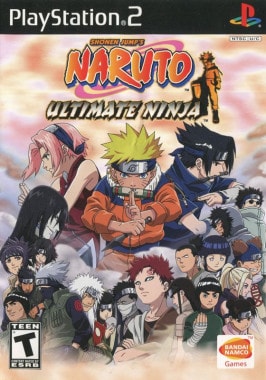
Naruto: Ultimate Ninja is a PlayStation 2 fighting game by CyberConnect2, known in Japan as Naruto: Narutimate Hero. Combat plays out on a free moving 2D plane in the spirit of Super Smash Bros, complete with stage hazards and characters that can fall off the edge.
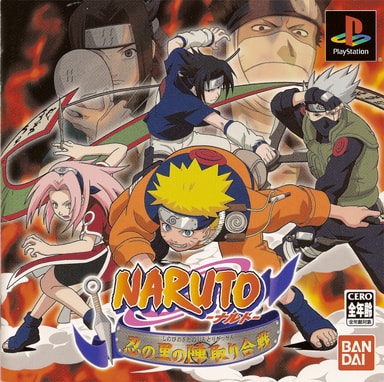
Naruto: Shinobi no Sato no Jintori Kassen is a PlayStation board game styled on classic property trading games. Up to four players move around a board claiming territory and chakra, following the anime's opening arc, in a release that stayed exclusive to Japan.
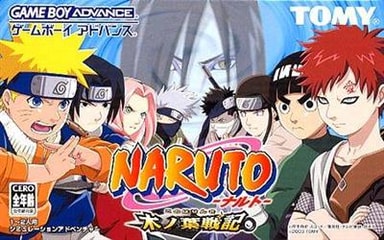
Naruto: Konoha Senki is a Game Boy Advance strategy game blending story driven adventure sequences with simulation style unit battles. Three man teams fight across scenarios adapted from the anime's opening arcs, in a title that never left Japan.
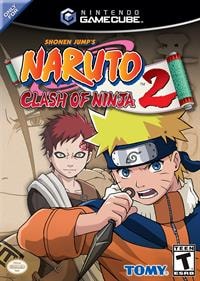
Naruto: Clash of Ninja 2 is a 3D cel shaded fighting game for GameCube and the second entry in Eighting's series. It expands the debut's one on one format into four way brawls with a much larger cast, carrying the story through the end of the Chunin Exams.
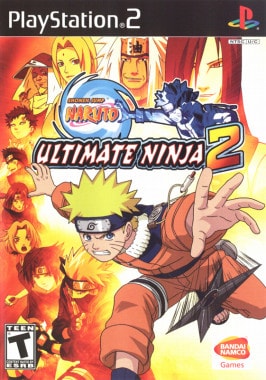
Naruto: Ultimate Ninja 2 is a PlayStation 2 fighting game and the second entry in the arena based Ultimate Ninja series. CyberConnect2 developed it, expanding the roster and adding an RPG style story mode. It launched in Japan in 2004 and did not reach the West until 2007.
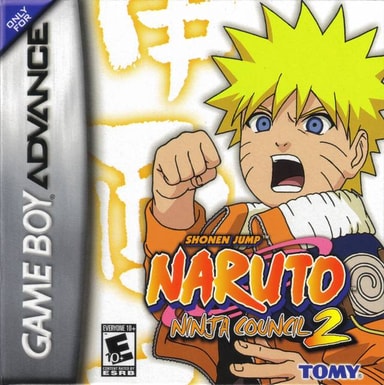
Naruto: Ninja Council 2 is a side scrolling Game Boy Advance action game and the second entry in the Ninja Council line. It carries the Chunin Exams era story forward with a larger move set, an added playable character, and new link cable multiplayer modes.
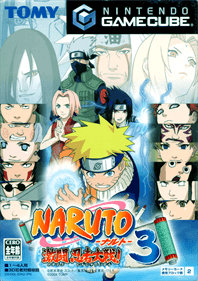
Naruto: Clash of Ninja 3, known in Japan as Gekitō Ninja Taisen! 3, is a GameCube fighting game and the third and final entry the series made for the console. Released only in Japan, it expands the roster, tag mechanics, and story reach of Clash of Ninja 2.
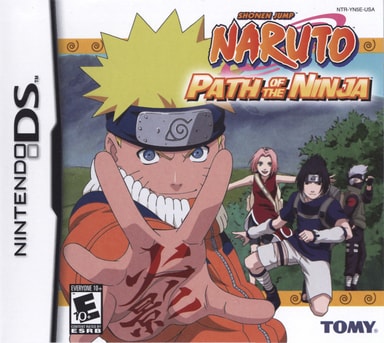
Naruto: Path of the Ninja is a turn based Japanese RPG for the Game Boy Advance that sends Naruto and his squad through Genin training, the Chunin Exams, and the Sand ninja plot. It released in Japan in 2004 and reached the West only later, as a 2007 Nintendo DS port.
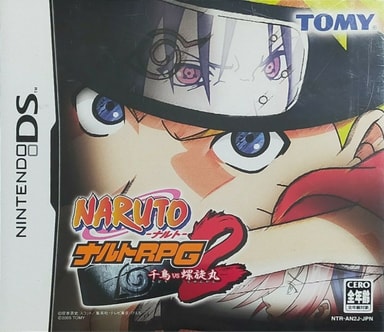
Naruto RPG 2: Chidori vs. Rasengan is a Nintendo DS role playing game and the middle chapter of Tose's Naruto RPG trilogy. Tomy published it in Japan on July 14, 2005; unlike the games released before and after it, this entry never left Japan.
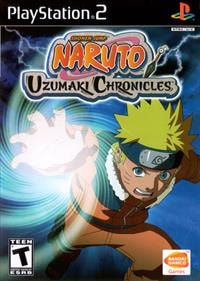
Naruto: Uzumaki Chronicles is a PlayStation 2 action game built around an original, non canon storyline rather than the anime's plot. Cavia and Racjin developed it and Bandai published it in Japan in August 2005, followed by North American and European releases with altered content.
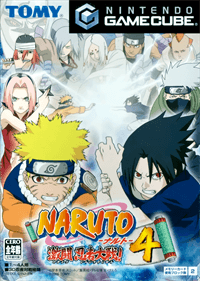
Naruto: Clash of Ninja 4 is the GameCube fighting game known in Japan as Naruto: Gekitou Ninja Taisen! 4. Eighting developed it and Tomy published it in Japan only in 2005; unlike its three predecessors, it never received a Clash of Ninja localization in the West.
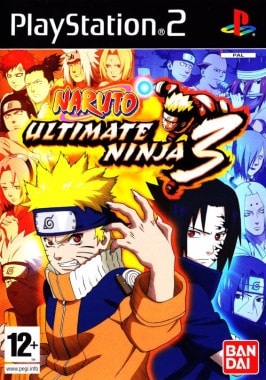
Naruto: Ultimate Ninja 3 is CyberConnect2's third PlayStation 2 fighting game in the Ultimate Ninja series, known in Japan as Naruto: Narutimate Hero 3. It launches in Japan in December 2005 and does not reach the West until 2008, nearly three years later.
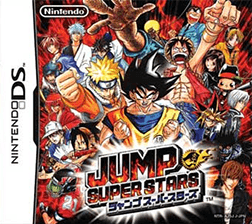
Jump Super Stars is a 2D crossover fighting game for Nintendo DS built around Weekly Shonen Jump manga characters, not a Naruto exclusive title. Ganbarion developed it, Nintendo published it in Japan in 2005, and Naruto is one of 27 series represented alongside Dragon Ball and One Piece.
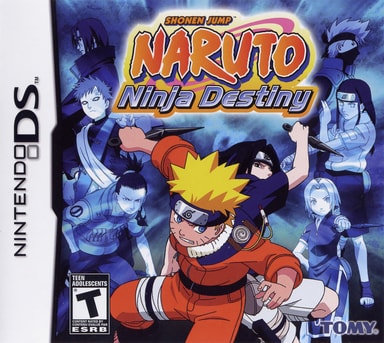
The first fully 3D Naruto fighting game on Nintendo DS. A one on one fighter whose story mode runs from the Chunin Exam clash between Neji and Naruto through the dispute among the three Sannin, later followed by its own direct sequel.
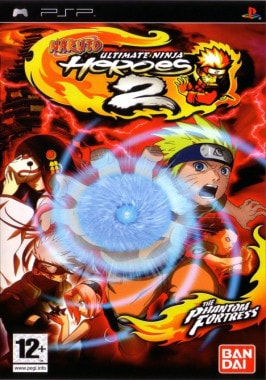
A PSP fighting game and the first Naruto title on that handheld, following on from Ultimate Ninja Heroes. Teams of four characters take on a 100 floor haunted tower mode and restored story content that was cut from the original release.
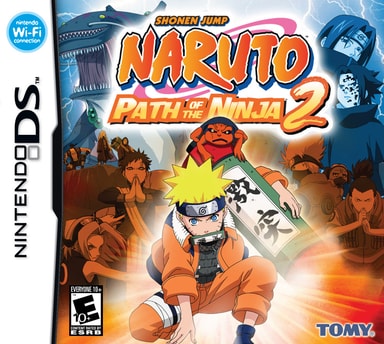
A turn based RPG for the Nintendo DS and sequel to the Game Boy Advance original. Squads explore an overworld and drop into grid based tactical battles, with online Wi-Fi play marking a first for the Naruto game franchise.
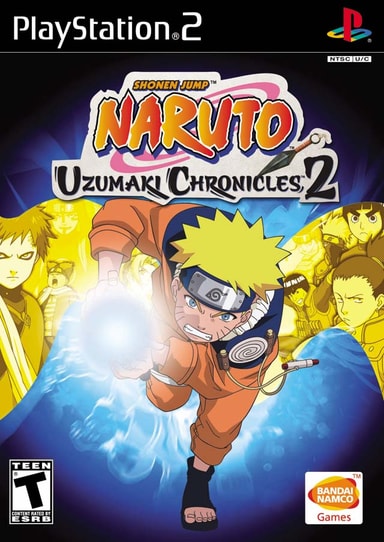
A PlayStation 2 action game, known in Japan as Naruto: Konoha Spirits, and the sequel to Uzumaki Chronicles. Naruto's team clashes with the Shirogane Clan, who seek a forbidden jutsu to revive the Master Puppet and dominate the Five Ninja Nations.
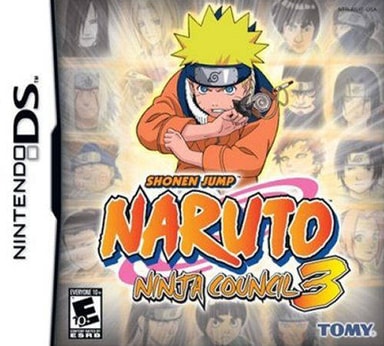
A side scrolling action game for the Nintendo DS, the third entry in the Ninja Council series. It adapts early Naruto anime arcs across dozens of touch screen and microphone driven missions, with a heavily trimmed edition later reaching Europe under a different name.
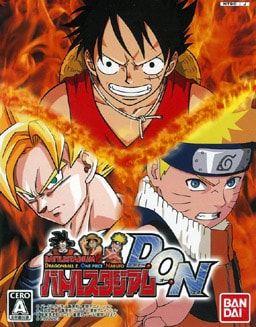
Battle Stadium D.O.N. is a Japan only crossover fighting game for GameCube and PlayStation 2 combining Dragon Ball Z, One Piece, and Naruto, the three D.O.N. franchises, rather than belonging to one series. Eighting and Q Entertainment developed it; Namco Bandai Games published it in 2006.
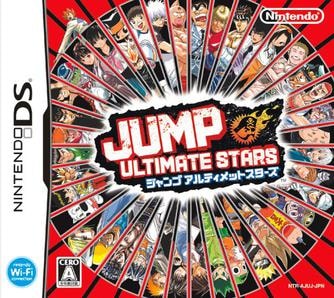
A 2D crossover fighting game for the Nintendo DS and sequel to Jump Super Stars. It pits over 300 characters from 41 Weekly Shonen Jump manga series, including Naruto, Dragon Ball, One Piece, and Bleach, against each other on manga panel based battle decks.
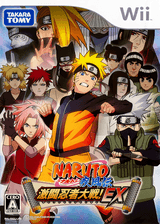
Naruto Shippūden: Gekitō Ninja Taisen! EX is a Japan only Wii fighting game from Eighting, the fifth Gekitō Ninja Taisen release and the first to adapt the Shippūden era cast, played with Wii Remote and Nunchuk motions or a Classic controller.
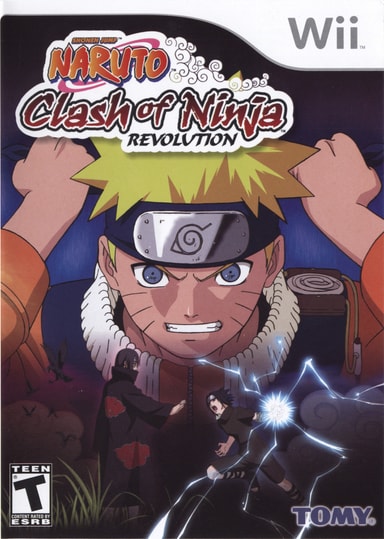
A cel shaded 3D fighting game that brought the Clash of Ninja series to Wii and to North America for the first time, using Wii Remote controls for one on one battles and a story built specifically for the Western release.
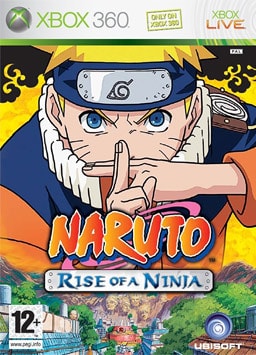
An Xbox 360 action adventure blending free roaming exploration with fighting and light RPG elements. It was the first Naruto game built by a Western studio, pairing cel shaded platforming through Konoha with a separate one on one fighting mode.
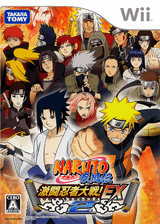
Naruto Shippūden: Gekitō Ninja Taisen! EX 2 is the sixth Wii entry in the Gekitō Ninja Taisen fighting series, made by Eighting for Japan only. It is the first game in the line to add Sasuke Uchiha as a playable fighter and layers a new hand seal system onto the EX engine.
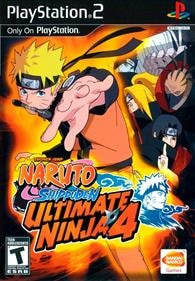
Naruto Shippūden: Ultimate Ninja 4 is a 2D fighting game for PlayStation 2 from CyberConnect2, the first Ultimate Ninja entry set in the Shippūden era. It swaps the old sandbox mode for an adventure styled Master Mode and fields 52 playable fighters.
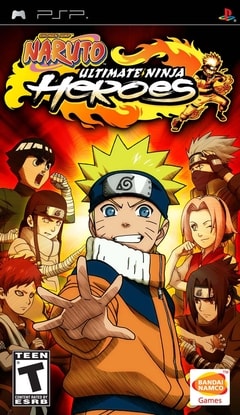
Naruto: Ultimate Ninja Heroes is a 3 on 3 team fighting game for PSP from CyberConnect2 and MiCROViSion. It builds an original story around a tower called Mugenjo and never released in Japan, reaching North America and Europe in late 2007.
Naruto Shippūden: Ninja Council 4 is a side scrolling action platformer for Nintendo DS from developer Aspect, the fourth English localized Ninja Council game. Known in Japan as Saikyō Ninja Daikesshū 5, it reached Japan in mid 2007 and the West two years later.
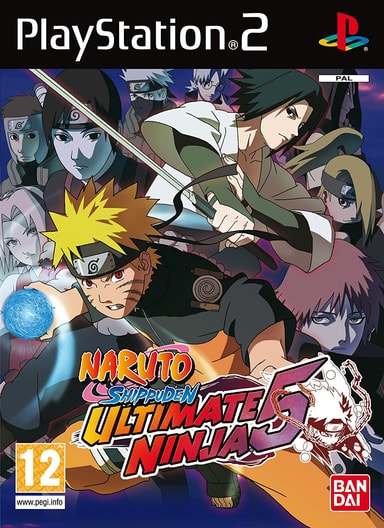
Naruto Shippūden: Ultimate Ninja 5 is the final PlayStation 2 entry in the Ultimate Ninja fighting series from CyberConnect2, released only in Japan in December 2007. It expands the roster to 62 fighters and adds an assist character system alongside a village exploration mode.
Naruto Shippūden: Ultimate Ninja Mission is a Japan only Bandai arcade cabinet that pairs physical Data Carddass trading cards with 3D animated battles on screen. It is the second Naruto card game built on the Data Carddass hardware, adapting content from Ultimate Ninja 4.
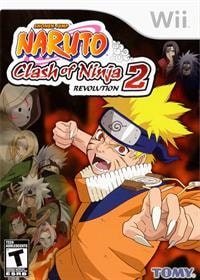
Naruto: Clash of Ninja Revolution 2 is a 2008 Wii fighting game from Eighting, the western follow-up in the Clash of Ninja line. It pits pre-Shippuden ninja against each other in an original story invented for the game rather than pulled from the anime or manga.
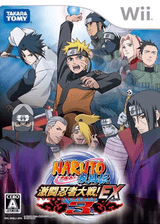
Gekitō Ninja Taisen! EX 3 is a 2008 Wii fighting game from Eighting, released only in Japan as the seventh entry in the Gekitō Ninja Taisen line (the Japanese side of the Clash of Ninja series). It expands the roster to 32 fighters with new transformation and crisis mechanics.
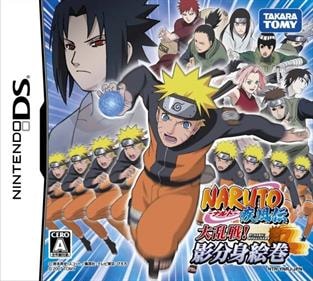
Dairansen! Kage Bunshin Emaki is a 2008 Nintendo DS action game released only in Japan. It puts players in control of Naruto through a top-down beat-em-up retelling of the Kazekage Rescue and Tenchi Bridge arcs.
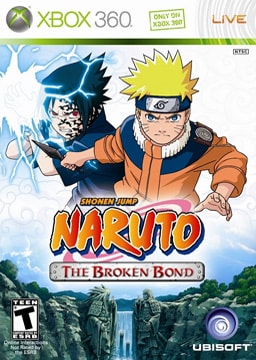
Naruto: The Broken Bond is a 2008 Xbox 360 action-adventure game from Ubisoft Montreal, the sequel to Rise of a Ninja. It follows the anime through the Search for Tsunade and Sasuke Retrieval arcs with a fresh tag-team combat system.
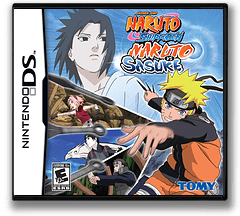
Naruto Shippuden: Naruto vs. Sasuke is a 2008 Nintendo DS fighting game and the sixth handheld entry in what the West called the Ninja Council series. Built by Arc System Works, it uses the DS touch screen alongside its arena duels.
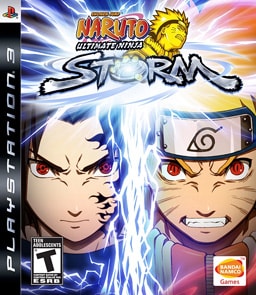
Naruto: Ultimate Ninja Storm is a 2008 PlayStation 3 fighting game from CyberConnect2 that launched the long-running Storm series. It moved the franchise into 3D arenas and cel-shaded visuals meant to blur the line between anime and video game.
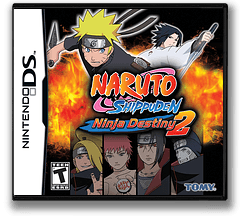
Ninja Destiny 2 is a 2008 Nintendo DS fighting game developed by DreamFactory. It builds on the first Ninja Destiny with a new Quest Mode, extra jutsu, and a Shippuden-based storyline layered over its 3D duels.
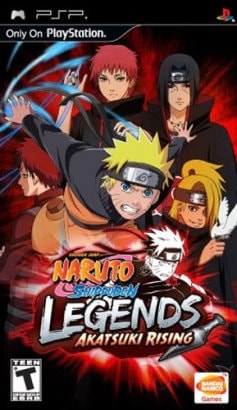
Legends: Akatsuki Rising is a 2009 PSP action-adventure game developed by Racjin. It reworks the story already told in Naruto Shippuden: Ultimate Ninja 4 for a handheld audience and never saw release in Japan.
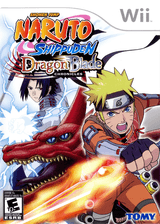
Dragon Blade Chronicles is a 2009 Wii action-adventure game from Eighting built around an original, non-canon story. Naruto and Sasuke chase the secrets of the Elemental Dragons and a power called Genryu across the game's own invented plot.
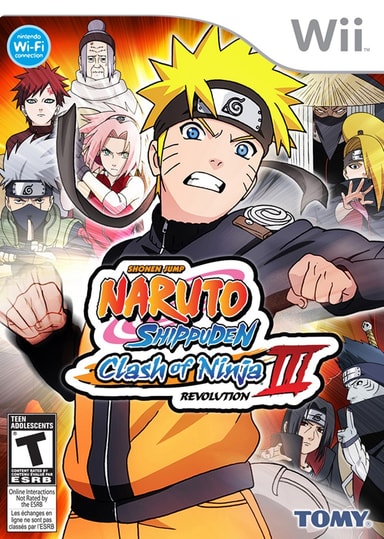
Clash of Ninja Revolution 3 is a 2009 Wii fighting game from Eighting, the third and final English-localized entry in the Revolution sub-series. It grows the cast to 38 playable fighters spanning the pre-Shippuden and early Shippuden eras.
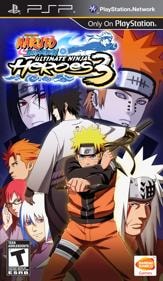
Ultimate Ninja Heroes 3, known in Japan as Narutimate Accel 3, is a 2009 PSP fighting game from CyberConnect2. It reworks the series' engine for four-player brawls across a roster of more than 50 characters.
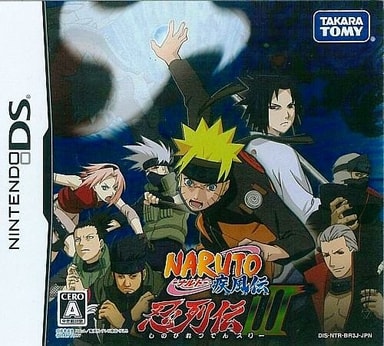
Shinobi Retsuden 3 is a 2009 Nintendo DS action game developed by Dream Factory and released only in Japan. It expands its predecessors' roster to 30 characters and lets players fight tailed beasts directly in a dedicated Beast Battle Mode.
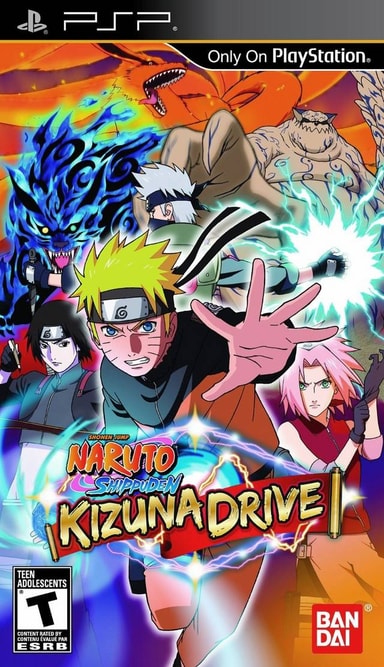
Kizuna Drive is a 2010 PSP action brawler built around an original, non-canon story rather than the anime timeline. Its main draw is four-player local co-op missions that push the Naruto cast through repeated waves of enemies.
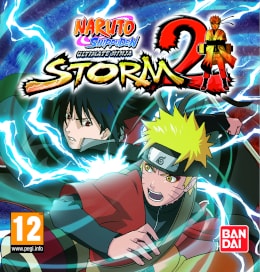
Ultimate Ninja Storm 2 is a 2010 fighting game from CyberConnect2 that follows Naruto's return from training to face the Akatsuki. It expands the Storm formula to 44 characters plus a Tekken guest fighter and became Bandai's second best-selling game of the year.
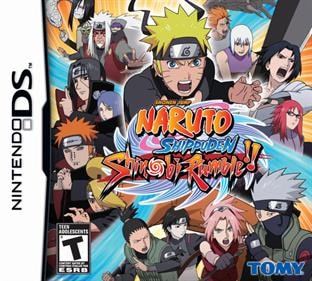
Shinobi Rumble is a 2010 Nintendo DS fighting game and the final Naruto title released for the system. Loosely following the Itachi Pursuit arc, it plays like a scaled-down Super Smash Bros with 16 fighters.
Gekitō Ninja Taisen! Special is a 2010 Wii fighting game from Eighting, the eighth and final entry in Japan's Gekitō Ninja Taisen line. It adds online play and a new GNT Road story mode to a roster of 38 characters.
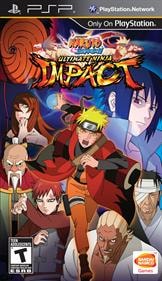
Ultimate Ninja Impact, known in Japan as Narutimate Impact, is a 2011 PSP action game from CyberConnect2. Rather than the one-on-one Storm formula, it throws players into large-scale mob battles against waves of enemy ninja.
Sources & Information
This content is original writing by Daddy Jim Headquarters based on the Naruto anime series, manga, and official materials. Episode and chapter references are cited where applicable.
Character and scene imagery on this site is original artwork by Daddy Jim Headquarters, not screenshots or licensed imagery. Official cover art is used on three types of pages for editorial commentary:
- Movie pages: theatrical posters and key visuals, credited to Studio Pierrot and Toho.
- Game pages: official box art for the Naruto: Ultimate Ninja Storm games, credited to Bandai Namco.
- Manga chapter pages: Jump Comics volume covers, credited to Shueisha and Masashi Kishimoto.
Official resources:
Help Us Keep This Wiki Accurate
Daddy Jim Headquarters maintains this encyclopedia. If you spot an error, a translation issue, or something that doesn't look right, let us know.