تاتسو هيغاشينو
رسام متحركمخطِّط لوحات قصصية ياباني ساهم في دراغون بول وأعمال أنمي مبكرة أخرى. ساعد عمله في التخطيط البصري ورسم لوحات القصة في تشكيل التدفق البصري وإيقاع السلاسل عبر السبعينيات والثمانينيات.
رسم اللوحات القصصية في دراغون بول

قراءات ذات صلة
عرض الكل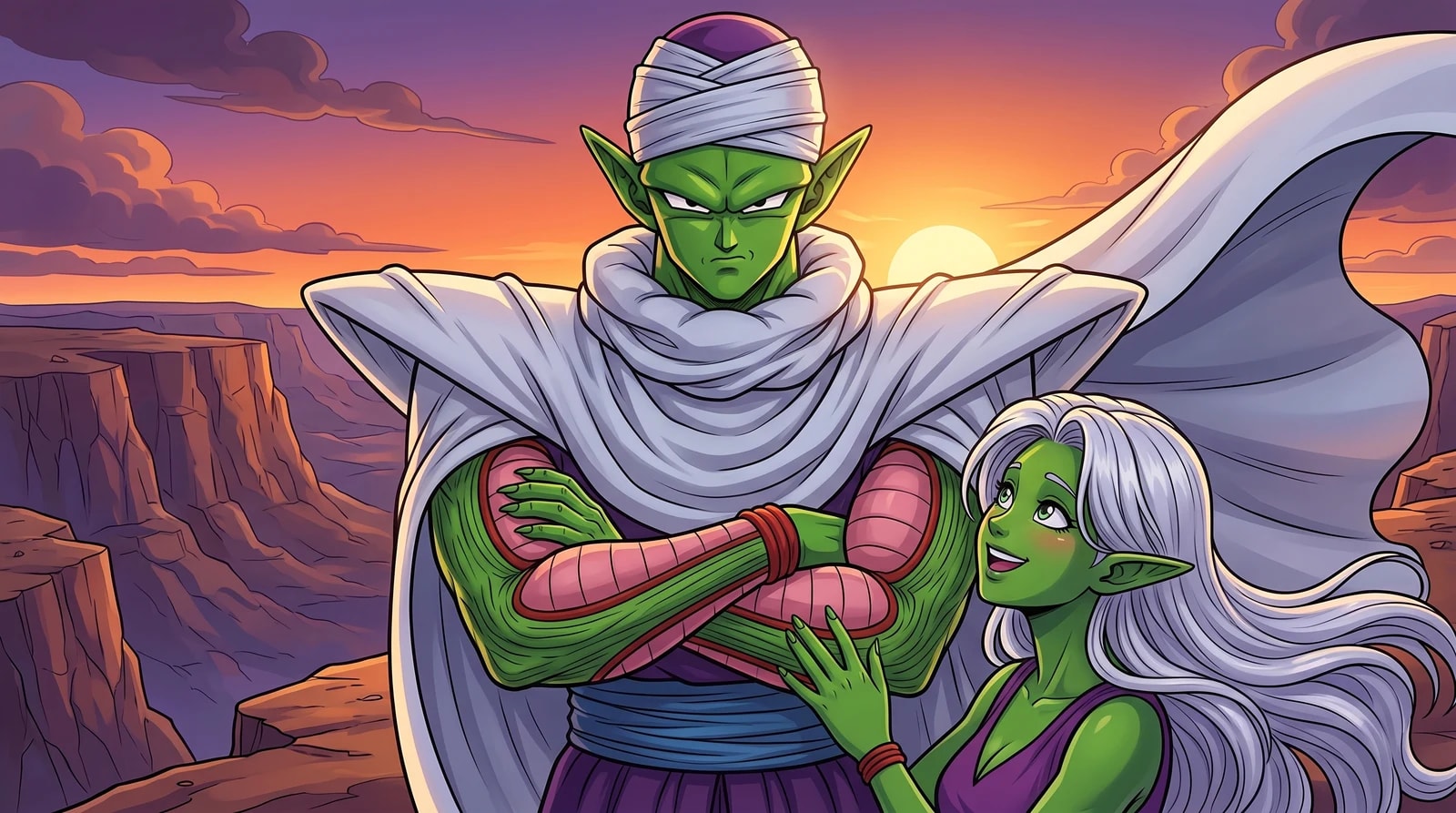
كوكب ناميك بلا نساء، لكن بيكولو يوقع بهن على أي حال
لا توجد نساء على كوكب ناميك. لم يكن هذا سهوا، بل هي الطبيعة البيولوجية. لماذا منحنا بيكولو الشيء الوحيد الذي تستبعده فصيلته، ولماذا كان لا بد أن يكون بنمط تراب سول....
ألف مرة: لمن يغني جون دراغون بول؟
قدمت لنا سلسلة دراغون بول بطلا بلا ماضٍ، فأطلق عليه الإنترنت اسم جون دراغون بول. لذا ابتكرنا له شخصا ليتحدث إليه....
الأسئلة الشائعة
من هو تاتسو هيغاشينو في دراغون بول؟
فنان لوحات قصة ياباني ساهم في دراغون بول وإنتاجات الأنمي المبكرة الأخرى. ساعد عمله في التخطيط البصري ورسم لوحات القصة في تشكيل التدفق البصري والوتيرة للمسلسلات عبر السبعينيات والثمانينيات.
بماذا يشتهر تاتسو هيغاشينو في دراغون بول؟
قدم هيغاشينو لوحات قصة للحلقة 49 من دراغون بول، مساهما في الإخراج البصري والوتيرة خلال عرض المسلسل الأصلي. تطلب عمله كفنان لوحات قصة ترجمة النصوص إلى تسلسلات بصرية، وتحديد زوايا الكاميرا، ووضعيات الشخصيات، وانتقالات المشاهد التي سينفذها المخرجون بعد ذلك في الرسوم المتحركة.
ماذا يفعل تاتسو هيغاشينو في دراغون بول؟
تاتسو هيغاشينو هو رسام رسوم متحركة ياباني عمل في سلسلة دراغون بول. تحديدا، يُنسب إلى تاتسو هيغاشينو دور فنان لوحات قصة في دراغون بول ومسلسلات الأنمي المبكرة.
ما هي الأعمال الأخرى التي قام بها تاتسو هيغاشينو خارج دراغون بول؟
عمل هيغاشينو عبر إنتاجات الأنمي المبكرة بما في ذلك غو كيو تشوجي إيكيمان، كونبورا كيد، وسيلفر فانغ، مؤسسا نفسه في مهنة رسم لوحات القصة خلال الفترة التأسيسية للأنمي. وضعته مساهماته في دراغون بول ضمن الفريق المبكر الذي بنى اللغة البصرية للسلسلة.
من أين تاتسو هيغاشينو؟
تاتسو هيغاشينو هو رسام رسوم متحركة ياباني. فنان لوحات قصة ياباني ساهم في دراغون بول وإنتاجات الأنمي المبكرة الأخرى.
المصادر والمعلومات
تبحث عن المزيد حول تاتسو هيغاشينو؟ ويكي دراغون بول على Fandom لديه صفحة مخصصة مع ملاحظات المجتمع.
عرض على Fandomهذا المحتوى كتابة أصلية من مقر دادي جيم استناداً إلى مسلسل دراغون بول والمانغا والمواد الرسمية. تُذكر مراجع الحلقات والفصول حيثما ينطبق ذلك.
أصحاب الحقوق
- من إبداعAkira Toriyama
- نشرشويشا
- إنتاج الرسوم المتحركةتوي أنيميشن
جميع الحقوق محفوظة لأصحابها.
صور الشخصيات والمشاهد على هذا الموقع أعمال فنية أصلية من مقر دادي جيم، وليست لقطات شاشة أو صور مرخصة. تُستخدم الأغلفة الرسمية في ثلاثة أنواع من الصفحات للتعليق التحريري:
- صفحات الأفلام: الملصقات السينمائية والمرئيات الرئيسية، منسوبة إلى Toei Animation وShueisha.
- صفحات الألعاب: الأغلفة الرسمية للألعاب، منسوبة إلى Bandai Namco وAtari وغيرها من الناشرين.
- صفحات فصول المانغا: أغلفة مجلدات Jump Comics، منسوبة إلى Shueisha وAkira Toriyama.
ساعدنا في الحفاظ على دقة هذه الويكي
تُشرف مقر دادي جيم على هذه الموسوعة. إذا وجدت خطأً أو مشكلة في الترجمة أو شيئاً لا يبدو صحيحاً، أخبرنا بذلك.