Angel
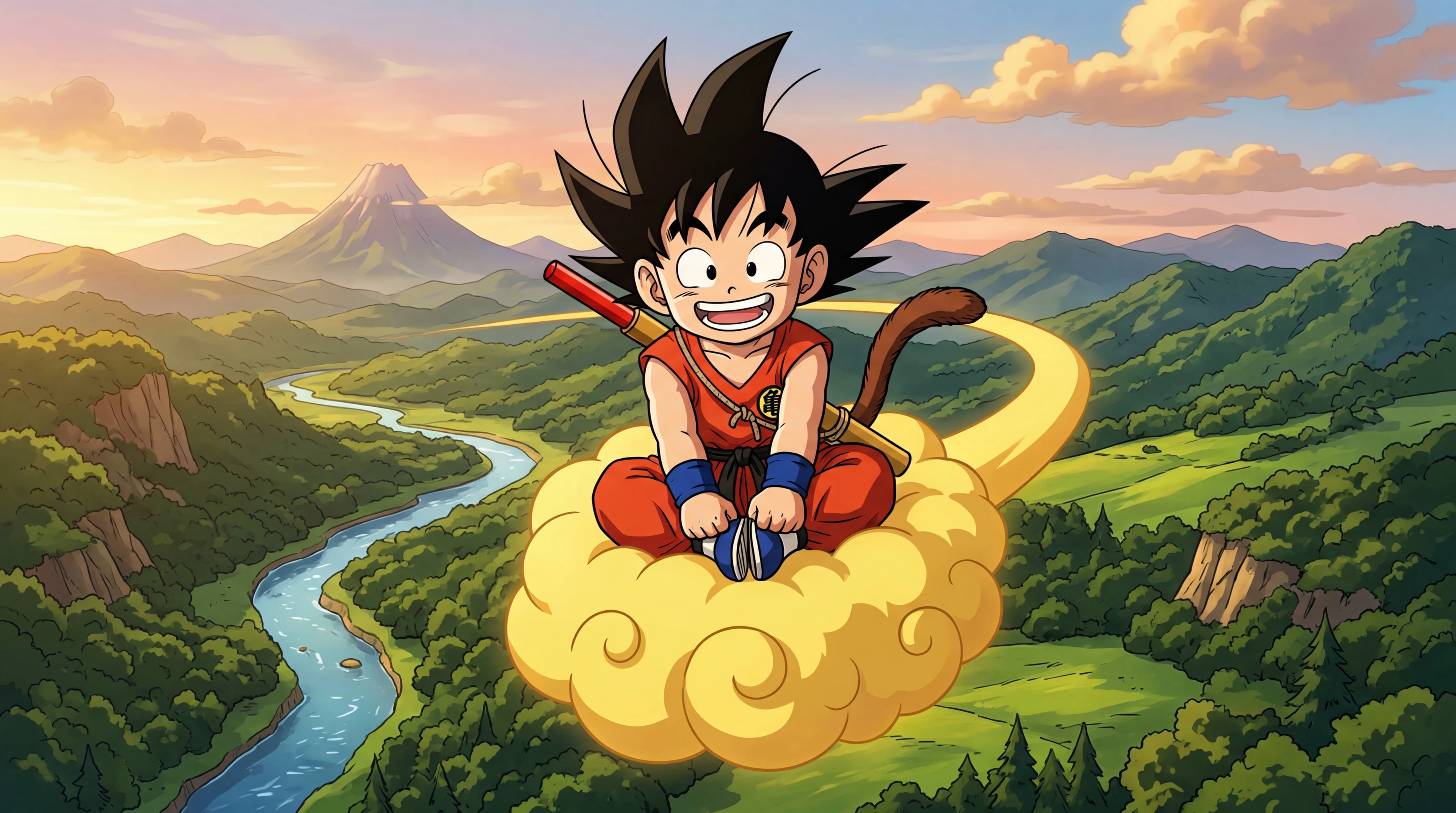
FormThe Angel state refers to the condition of being dead in the Dragon Ball universe while retaining one's physical body in Other World. Distinguished by the signature golden halo floating above the head, this status allows powerful warriors to continue their existence, train, and even fight in afterlife tournaments. It is not a transformation in the traditional sense but rather a designation that certain deceased individuals receive.
Life After Death in Dragon Ball
When a person dies in the Dragon Ball universe, their soul travels to Other World and stands before King Yemma for judgment. Most souls are sent to either Heaven or Hell and lose their physical bodies in the process. However, exceptional individuals, typically powerful warriors or those who performed great deeds in life, may be allowed to keep their bodies. These individuals are marked with a halo, the visual indicator that they are dead but physically present in Other World.
Training and Combat in the Afterlife
Goku is the most prominent example. After sacrificing himself during the Cell Games, he spent seven years training in Other World under the guidance of Grand Kai and alongside fighters like Pikkon. During this time he pushed his abilities far beyond what he had achieved while alive, eventually developing Super Saiyan 3. The afterlife proved to be an ideal training ground because the physical constraints of a living body did not apply in the same way, allowing Goku to push past limits that would have been dangerous or impossible otherwise.
Vegeta also retained his body during the Buu Saga through special arrangement, and Frieza famously spent his time in Hell wrapped in a cocoon, forced to endure a cheerful fairy paradise as punishment. The state does not inherently grant any power boost; it simply preserves the individual as they were at the time of death, plus whatever training they manage to accomplish in the afterlife.

Frequently Asked Questions
Who are the angels in Dragon Ball?
In the context of the Angel state, the term refers to deceased characters who have been allowed to retain their physical bodies in Other World, identified by the signature golden halo floating above their head. Goku, Vegeta, Pikkon, and the Ginyu Force have all appeared in this state at various points. This Angel designation is distinct from the angel attendants like Whis and Vados, who are a separate celestial race.
Is Angel a race in Dragon Ball?
No, the Angel state is not a race. It is a designation given to a deceased individual who is permitted by King Yemma to retain their physical body in Other World rather than being sent on to Heaven or Hell. The signature golden halo above the head is the visual indicator of this status.
Will Goku become an Angel?
Goku has already entered the Angel state multiple times in the series whenever he has died. After sacrificing himself during the Cell Games he spent seven years in Other World as an Angel, training under Grand Kai and alongside Pikkon, which is where he developed Super Saiyan 3. The state preserved his physical body so he could continue training in the afterlife.
Does becoming an Angel make a fighter stronger?
No, the Angel state itself does not multiply combat strength. The user's power level remains exactly what it was at the moment of death. Any subsequent power increase comes from training in Other World, not from the state itself.
Can an Angel return to the living world?
Returning to the living world is restricted and requires special permission. Under normal circumstances an Angel is confined to Other World. Techniques like Instant Transmission combined with King Yemma's approval can allow temporary returns, as Goku demonstrated when he visited Earth during the Buu Saga.
Sources & Information
Looking for more on Angel? The Dragon Ball Wiki on Fandom has a dedicated page with community notes.
View on FandomThis content is original writing by Daddy Jim Headquarters based on the Dragon Ball anime series, manga, and official materials. Episode and chapter references are cited where applicable.
Character and scene imagery on this site is original artwork by Daddy Jim Headquarters, not screenshots or licensed imagery. Official cover art is used on three types of pages for editorial commentary:
- Movie pages: theatrical posters and key visuals, credited to Toei Animation and Shueisha.
- Game pages: official box art, credited to Bandai Namco, Atari, and other publishers.
- Manga chapter pages: Jump Comics volume covers, credited to Shueisha and Akira Toriyama.
Browse our episode guides:
Official resources:
Help Us Keep This Wiki Accurate
Daddy Jim Headquarters maintains this encyclopedia. If you spot an error, a translation issue, or something that doesn't look right, let us know.