Giant Form
FormGiant Form is a broad category of transformations that increase the user's physical size to enormous proportions. Used by a variety of characters across the Dragon Ball franchise, from Piccolo and Lord Slug to tournament fighters like Hatchiyack, the concept of growing to immense size is one of the oldest power-up methods in the series. While impressive in scale, the form's effectiveness varies greatly depending on the user's base power level.
A Classic Dragon Ball Power-Up
The Giant Form has appeared in Dragon Ball since the earliest days of the franchise. Characters like Piccolo have used size-increasing techniques as tactical advantages, growing tall enough to tower over opponents and deliver crushing blows with enhanced reach and mass. The concept extends across species and eras: Dodoria, Zarbon, Recoome, and Captain Ginyu have all appeared in giant forms in certain video game depictions, while characters like Annin and Abura demonstrated size-increasing abilities in the original Dragon Ball anime.
Effectiveness and Limitations
The fundamental problem with the Giant Form is that size alone does not guarantee victory. A smaller fighter with sufficient power can simply attack the enlarged opponent's weak points with precision, and the increased body mass creates a proportionally larger target area. Piccolo learned this lesson during his fight with Goku at the 23rd Tenkaichi Budokai, where his giant form made him an easier target rather than an unstoppable force. In later sagas, the Giant Form became more of a specialty technique used in specific circumstances rather than a go-to combat strategy, as raw power scaling in Dragon Ball made size advantages largely irrelevant against opponents of comparable or greater strength.


Frequently Asked Questions
What is Goku's giant form called?
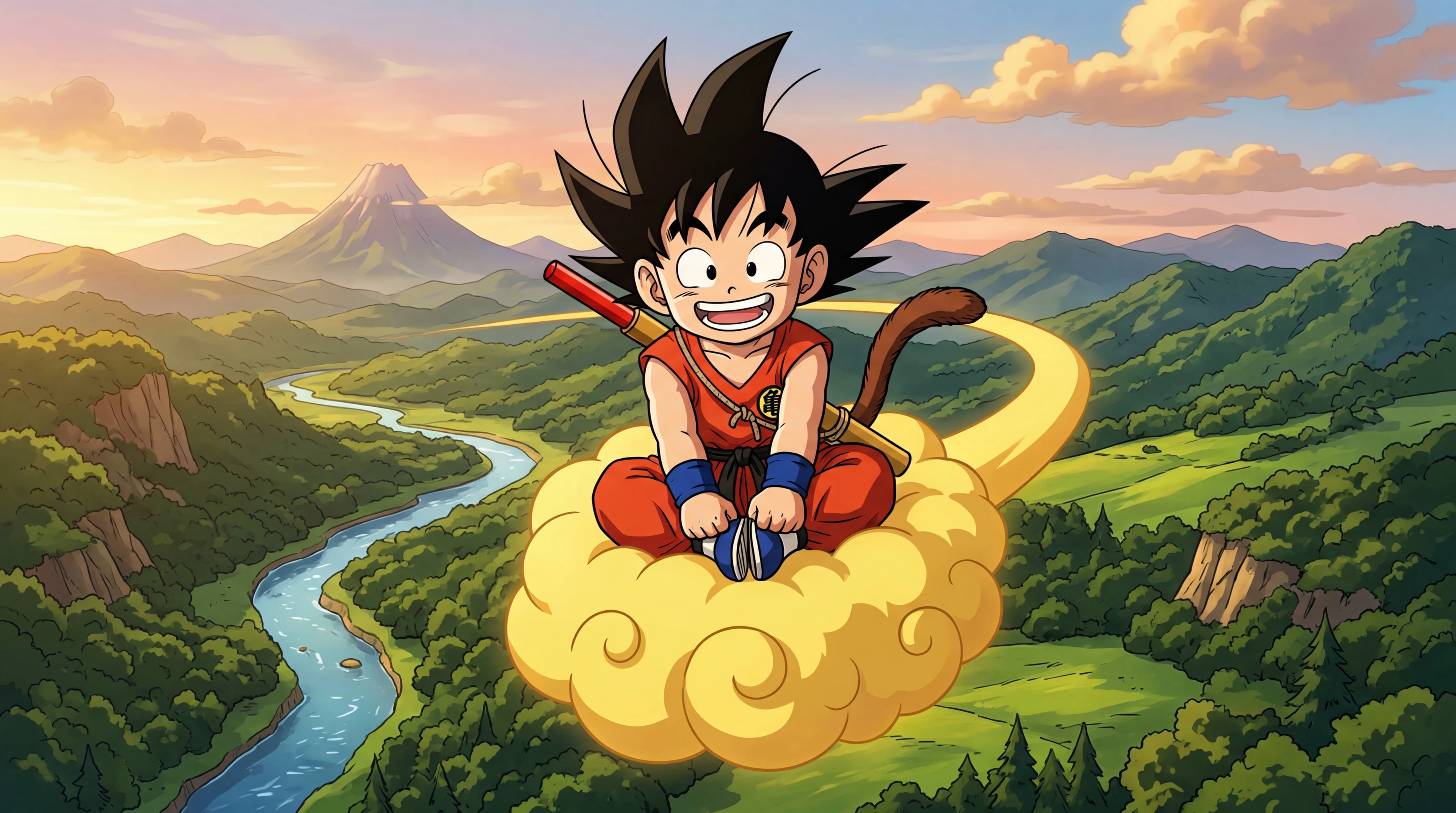
Goku himself does not use a standard humanoid Giant Form, though the Saiyan Great Ape transformation makes him roughly ten times his normal height. Goku's more recent giant-scale technique is the Perfected Ultra Instinct Giant Form, an enormous energy avatar that manifests from his Ultra Instinct ki and grapples with planet-scale opponents. The conventional Giant Form category in the Dragon Ball franchise is used by characters like Piccolo, Lord Slug, and Hatchiyack rather than Goku directly.
What is the Giant Form in Dragon Ball?
Giant Form is a broad category of transformations that increase the user's physical size to enormous proportions. Used by a variety of characters from Piccolo and Lord Slug to tournament fighters like Hatchiyack, the concept of growing to immense size is one of the oldest power-up methods in the series. The form's effectiveness varies greatly depending on the user's base power level.
Who can use the Giant Form?
The Giant Form has many users across the franchise. Variations include Piccolo's Great Namekian, Lord Slug's giant form, and Hatchiyack's giant state. Dodoria, Zarbon, Recoome, and Captain Ginyu have all appeared in giant forms in certain video game depictions, while characters like Annin and Abura demonstrated size-increasing abilities in the original Dragon Ball anime.
Why isn't the Giant Form effective at higher power levels?
Size alone does not guarantee victory. A smaller fighter with sufficient power can simply attack the enlarged opponent's weak points with precision, and the increased body mass creates a proportionally larger target area. Piccolo learned this lesson during his fight with Goku at the 23rd Tenkaichi Budokai, where his giant form made him an easier target rather than an unstoppable force.
Does the Giant Form increase power proportionally?
Power increases proportionally with size, but the exact multiplier varies by user. For some users it is a racial trait while others use techniques or external catalysts to trigger growth. As raw power scaling in Dragon Ball escalated, size advantages became largely irrelevant against opponents of comparable or greater strength.
Sources & Information
Looking for more on Giant Form? The Dragon Ball Wiki on Fandom has a dedicated page with community notes.
View on FandomThis content is original writing by Daddy Jim Headquarters based on the Dragon Ball anime series, manga, and official materials. Episode and chapter references are cited where applicable.
Character and scene imagery on this site is original artwork by Daddy Jim Headquarters, not screenshots or licensed imagery. Official cover art is used on three types of pages for editorial commentary:
- Movie pages: theatrical posters and key visuals, credited to Toei Animation and Shueisha.
- Game pages: official box art, credited to Bandai Namco, Atari, and other publishers.
- Manga chapter pages: Jump Comics volume covers, credited to Shueisha and Akira Toriyama.
Browse our episode guides:
Official resources:
Help Us Keep This Wiki Accurate
Daddy Jim Headquarters maintains this encyclopedia. If you spot an error, a translation issue, or something that doesn't look right, let us know.