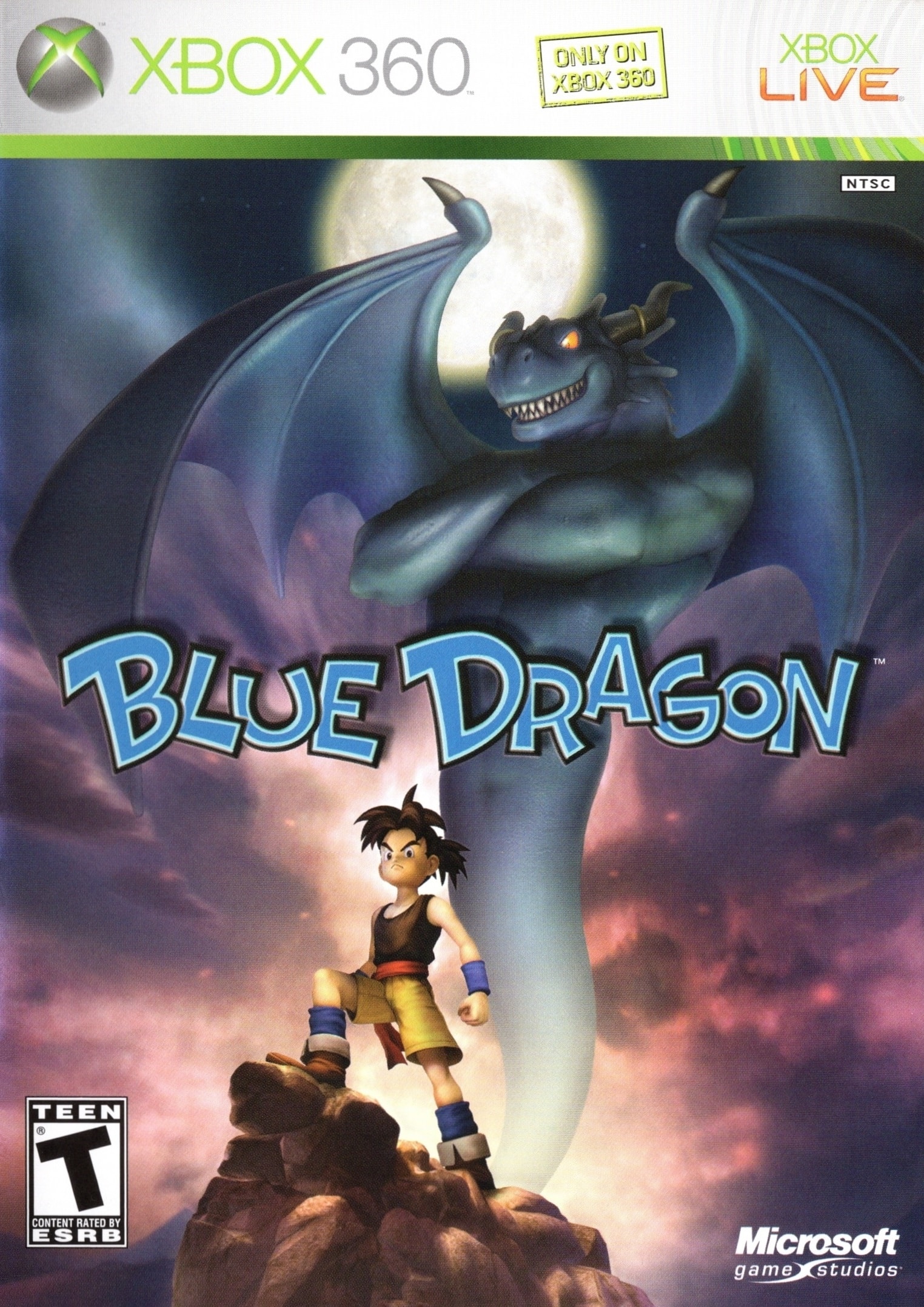
Blue Dragon
Gameis a role-playing video game developed by Mistwalker and Artoon and published by Microsoft Game Studios for the Xbox 360. Blue Dragon is based on a design by Final Fantasy series creator Hironobu Sakaguchi, who also supervised development and wrote the plot as well as Akira Toriyama who designed the characters of the series. It is both Mistwalker's debut title and the first title to be helmed by Sakaguchi outside of Square Enix.
Gameplay & Design
Blue Dragon is a role-playing video game developed by Mistwalker and Artoon, published by Microsoft Game Studios for the Xbox 360. The project originated from a collaboration between Hironobu Sakaguchi, creator of the Final Fantasy series, who supervised development and wrote the plot, and Akira Toriyama, who designed the game's characters. This partnership gives Blue Dragon a visual identity immediately recognizable to fans of Toriyama's work, with character designs carrying his distinctive style into an entirely original setting.
The game follows five friends: Shu, Jiro, Kluke, Zola, and Marumaro, as they travel through an open-world environment to confront Nene, the evil ruler of the Grand Kingdom. The core gameplay loop follows a traditional role-playing structure centered on exploration and turn-based combat. Blue Dragon was notable for being the first Xbox 360 game to span multiple discs, requiring three discs to contain its full content. It launched in Japan in December 2006, followed by a worldwide release in August 2007.



Story & Adaptations
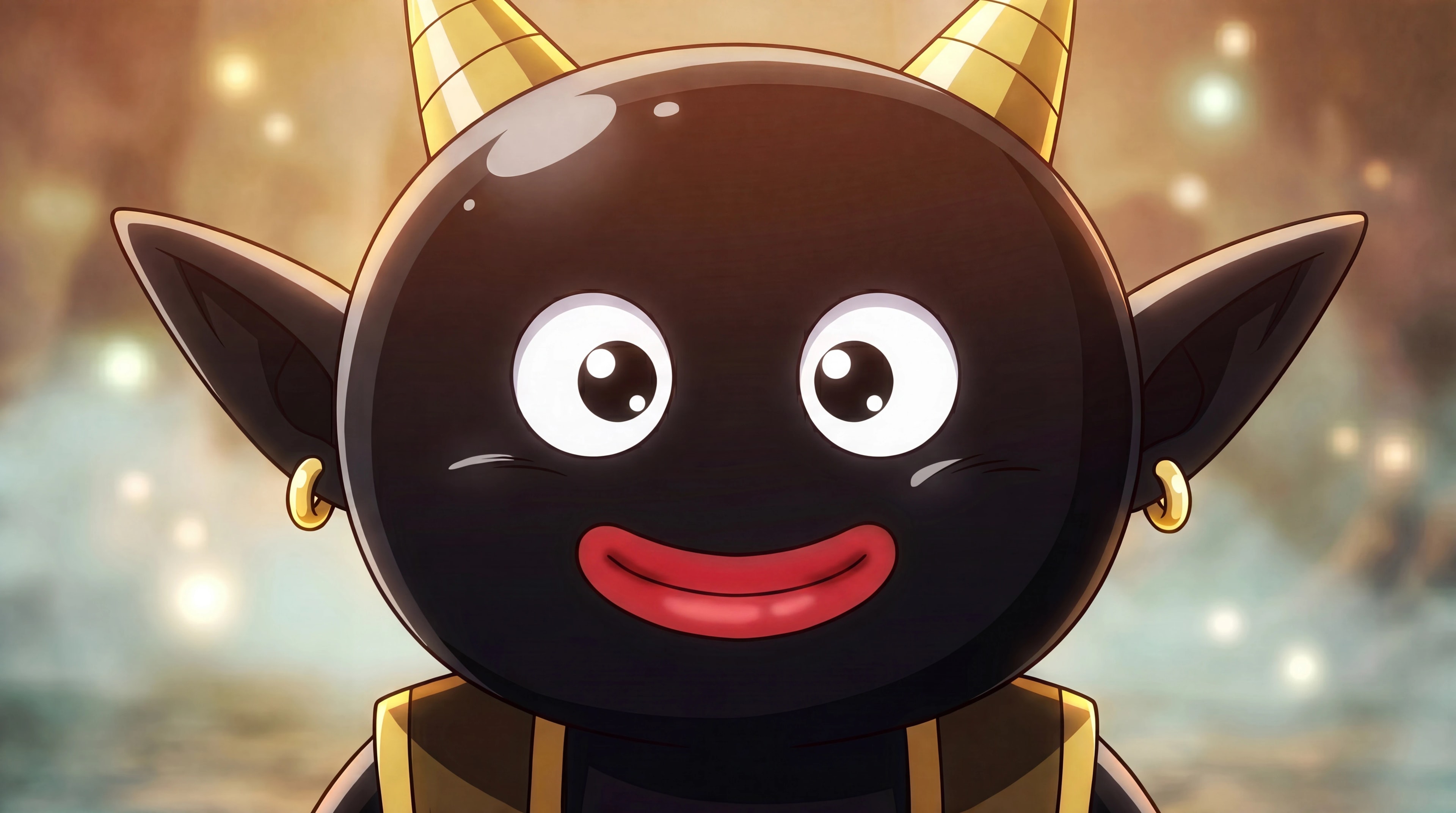
Blue Dragon tells the story of Shu and his companions as they chase Nene, whose Grand Kingdom has brought suffering to the world. The characters' shadows are their primary weapons in battle, taking the forms of powerful creatures that reflect each character's fighting style. The story combines elements of classic RPG adventure with the visual warmth and humor typical of Akira Toriyama's character work, resulting in a game that feels approachable yet emotionally engaged.
The setting proved rich enough to inspire multiple additional works. An anime television series was produced by Studio Pierrot and broadcast on TV Tokyo, running for 51 episodes from April 2007 through March 2008. A second season, titled Blue Dragon: Trials of the Seven Shadows, followed with another 51 episodes from April 2008 through March 2009. Viz Media licensed both seasons for North America. Comic adaptations also followed, each interpreting the source world with varying degrees of fidelity to the game's original story.
Reception & Legacy
Blue Dragon received a generally positive reception upon release, with critics praising its visual design and the novelty of seeing Akira Toriyama's character work in an original video game context outside the Dragon Ball franchise. The game was also recognized as a significant early title in Microsoft's strategy to establish the Xbox 360 in Japan, where the console faced strong competition from PlayStation 3 and Wii.
For Dragon Ball fans, Blue Dragon stands as a compelling example of what Toriyama's design sensibility produces when applied to an entirely new world. The game demonstrated that his visual language could carry a substantial RPG without relying on the Dragon Ball name, while its anime and manga spinoffs confirmed the setting had genuine staying power beyond the original release.
Related Reading
See all
Krillin's on the Tinder: How the Ultimate Short King Survived the Height Filter
Tinder built a height filter. Dragon Ball built a five foot legend. What happened when we sent the ultimate short king into the modern dating hellscape....
Infinite Zeni Glitch: When Yamcha Never Pays and Mr. Popo Always Does
The internet found an infinite money glitch. So did Yamcha. A smooth R&B track about the easiest money in the Dragon Ball world and the one man who keeps paying for it....
Frequently Asked Questions
What happens if a Blue Dragon stings you?
Blue Dragon is a role-playing video game developed by Mistwalker and Artoon, published by Microsoft Game Studios for the Xbox 360. The project originated from a collaboration between Hironobu Sakaguchi, creator of the Final Fantasy series, who supervised development and wrote the plot, and Akira Toriyama, who designed the game's characters. This partnership gives Blue Dragon a visual identity immediately recognizable to fans of Toriyama's work, with character designs carrying his distinctive style into an entirely original setting.
What is Blue Dragon?
is a role-playing video game developed by Mistwalker and Artoon and published by Microsoft Game Studios for the Xbox 360. Blue Dragon is based on a design by Final Fantasy series creator Hironobu Sakaguchi, who also supervised development and wrote the plot as well as Akira Toriyama who designed the characters of the series. It is both Mistwalker's debut title and the first title to be helmed by Sakaguchi outside of Square Enix.
When was Blue Dragon released?
Blue Dragon was released in 2006. It was developed by Mistwalker / Artoon and published by Microsoft Game Studios.
Who developed Blue Dragon?
Blue Dragon was developed by Mistwalker / Artoon. The game was published by Microsoft Game Studios in 2006.
Who published Blue Dragon?
Blue Dragon was published by Microsoft Game Studios. The game was developed by Mistwalker / Artoon and released in 2006.
Sources & Information
Looking for more on Blue Dragon? The Dragon Ball Wiki on Fandom has a dedicated page with community notes.
View on FandomThis content is original writing by Daddy Jim Headquarters based on the Dragon Ball anime series, manga, and official materials. Episode and chapter references are cited where applicable.
Character and scene imagery on this site is original artwork by Daddy Jim Headquarters, not screenshots or licensed imagery. Official cover art is used on three types of pages for editorial commentary:
- Movie pages: theatrical posters and key visuals, credited to Toei Animation and Shueisha.
- Game pages: official box art, credited to Bandai Namco, Atari, and other publishers.
- Manga chapter pages: Jump Comics volume covers, credited to Shueisha and Akira Toriyama.
Browse our episode guides:
Official resources:
Help Us Keep This Wiki Accurate
Daddy Jim Headquarters maintains this encyclopedia. If you spot an error, a translation issue, or something that doesn't look right, let us know.