Dragon Ball Collectible Card Game
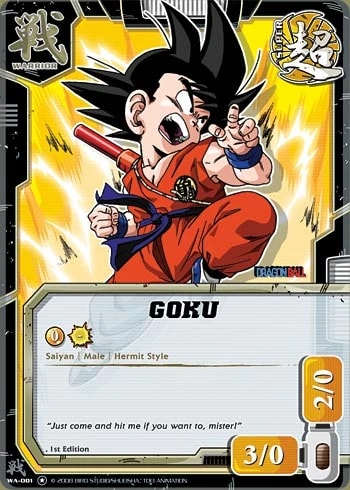
GameDragon Ball: Collectable Card Game (Dragon Ball CCG for short) is a trading card game of the Dragon Ball series first published by Bandai on July 18, 2008. It has a total of five series. This card game is a separate entity from its predecessor, the Dragon Ball Z Collectible Card Game by Score Entertainment.
Card System
Dragon Ball: Collectible Card Game is a trading card game published by Bandai, first released in the United States on July 18, 2008. The game runs across five series: Warriors Return, The Awakening, Destructive Fury, Fusion, and Clash of Sagas. It is a separate product from the earlier Dragon Ball Z Collectible Card Game published by Score Entertainment, and features entirely new card designs and mechanics. The game was available in other countries before its American debut, and its U.S. release brought exclusive artwork from all three Dragon Ball series to a Western audience for the first time in this card game format.
The game uses four card types: Warrior, Technique, Event, and Wish. Warrior cards represent the fighters, including major characters like Goku, Piccolo, Vegeta, Frieza, and Cell. Technique cards are attack moves such as the Kamehameha and Spirit Bomb. Event cards alter the dynamics of a battle by introducing scenario elements from the series, and Wish cards tied to Dragon Ball collection allow players to replicate the wish-granting mechanic from the source material. The game also incorporates five card styles: Super, Earth, Alien, Unique (primarily Namekian), and Villain.


Features & Rarity
Dragon Ball: Collectible Card Game features a rarity system with six tiers: Common, Uncommon, Rare (guaranteed at least one per pack), Super Rare, Starter, and Promo. Starter cards are foil cards available in starter decks, while Promo cards are typically foil and distributed through special channels including certain issues of Shonen Jump magazine. Gold cards and holographic cards also appear in booster packs, adding another layer of collectibility beyond the standard rarity tiers.
The game's design shares structural similarities with Bandai's Naruto Collectible Card Game, which was marketed alongside it in the United States. The five-set run of Dragon Ball CCG gave the game a focused lifecycle, covering major story content across all three Dragon Ball series and providing enough card variety to sustain a competitive player base through each release. The Earth style designation covers human and Earthling characters who are not Z Warriors, including figures like Oolong, Chi-Chi, Puar, Ranfan, and Mr. Satan, ensuring that non-combatant characters from the series have their own mechanical niche.
Reception & Context
Dragon Ball: Collectible Card Game arrived during a period of renewed Western interest in Dragon Ball, following the franchise's massive popularity in the early 2000s and building on the collector base established by the earlier Score Entertainment card game. Bandai's version brought a cleaner design sensibility and more direct connection to the anime's visual identity, benefiting from the publisher's decades of experience with Dragon Ball merchandise in Japan.
The five-series run gave the game a complete arc, from its launch through its conclusion, that is relatively rare for trading card games in the licensed anime space. Collectors today value complete set runs and promotional variants from the Shonen Jump distribution, and the game stands as a worthwhile entry in the history of Dragon Ball card games in the Western market.
Related Reading
See all
Chiaotzu is Chi-Chi's Boo: Why the Guy Who Never Wins Finally Wins
The least likely man in Dragon Ball just took the biggest win in our catalog. The story behind our R&B record about Chiaotzu, Chi-Chi, and a house Goku is never in....

Krillin's on the Tinder: How the Ultimate Short King Survived the Height Filter
Tinder built a height filter. Dragon Ball built a five foot legend. What happened when we sent the ultimate short king into the modern dating hellscape....


Frequently Asked Questions
What is Dragon Ball Collectible Card Game?
Dragon Ball: Collectable Card Game (Dragon Ball CCG for short) is a trading card game of the Dragon Ball series first published by Bandai on July 18, 2008. It has a total of five series. This card game is a separate entity from its predecessor, the Dragon Ball Z Collectible Card Game by Score Entertainment.
What is Dragon Ball Collectible Card Game about?
Dragon Ball: Collectible Card Game is a trading card game published by Bandai, first released in the United States on July 18, 2008. The game runs across five series: Warriors Return, The Awakening, Destructive Fury, Fusion, and Clash of Sagas. It is a separate product from the earlier Dragon Ball Z Collectible Card Game published by Score Entertainment, and features entirely new card designs and mechanics.
When was Dragon Ball Collectible Card Game released?
Dragon Ball Collectible Card Game was released in 2008. Dragon Ball: Collectable Card Game (Dragon Ball CCG for short) is a trading card game of the Dragon Ball series first published by Bandai on July 18, 2008.
Which Dragon Ball era does Dragon Ball Collectible Card Game tie into?
Dragon Ball Collectible Card Game ties into the Dragon Ball era of the franchise. Dragon Ball: Collectable Card Game (Dragon Ball CCG for short) is a trading card game of the Dragon Ball series first published by Bandai on July 18, 2008.
Which characters appear in Dragon Ball Collectible Card Game?
Dragon Ball: Collectible Card Game features a rarity system with six tiers: Common, Uncommon, Rare (guaranteed at least one per pack), Super Rare, Starter, and Promo. Starter cards are foil cards available in starter decks, while Promo cards are typically foil and distributed through special channels including certain issues of Shonen Jump magazine. Gold cards and holographic cards also appear in booster packs, adding another layer of collectibility beyond the standard rarity tiers.
Sources & Information
Looking for more on Dragon Ball Collectible Card Game? The Dragon Ball Wiki on Fandom has a dedicated page with community notes.
View on FandomThis content is original writing by Daddy Jim Headquarters based on the Dragon Ball anime series, manga, and official materials. Episode and chapter references are cited where applicable.
Character and scene imagery on this site is original artwork by Daddy Jim Headquarters, not screenshots or licensed imagery. Official cover art is used on three types of pages for editorial commentary:
- Movie pages: theatrical posters and key visuals, credited to Toei Animation and Shueisha.
- Game pages: official box art, credited to Bandai Namco, Atari, and other publishers.
- Manga chapter pages: Jump Comics volume covers, credited to Shueisha and Akira Toriyama.
Browse our episode guides:
Official resources:
Help Us Keep This Wiki Accurate
Daddy Jim Headquarters maintains this encyclopedia. If you spot an error, a translation issue, or something that doesn't look right, let us know.