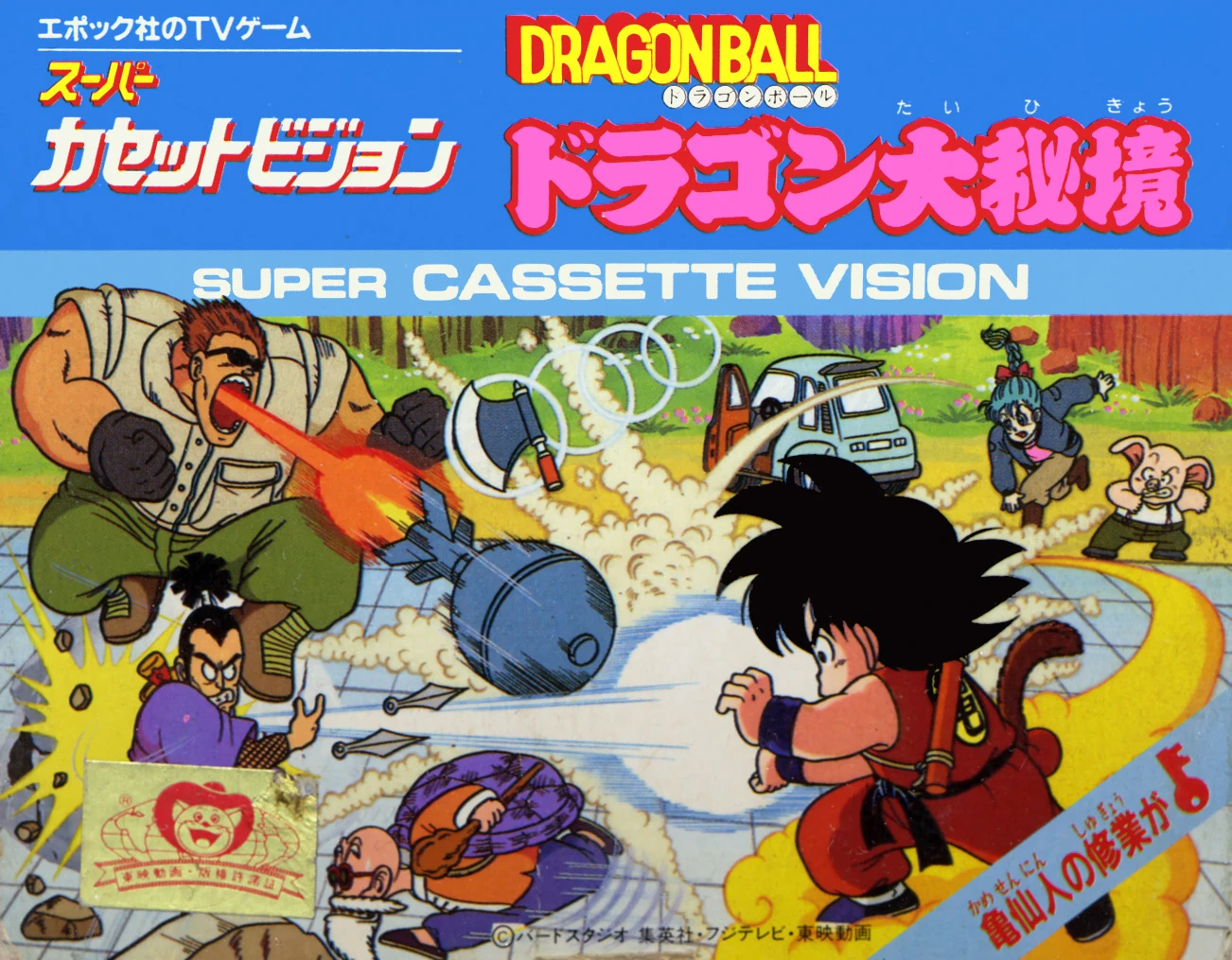
Dragon Ball: Dragon Daihikyou
Gameis the first Dragon Ball console video game ever released. It was developed and released by on September 27, 1986, for the console, making it the only Japanese-developed Dragon Ball game not produced or distributed by Bandai or the subsequent Bandai Namco.
Gameplay
Dragon Ball: Dragon Daihikyou is the first Dragon Ball console video game ever released, developed and published by Bandai on September 27, 1986, for the MSX console. It also holds the distinction of being the only Japanese-developed Dragon Ball game not produced or distributed by Bandai or its successor Bandai Namco, having been developed directly under Bandai's own label for that hardware. The game is an overhead shoot-em-up in which Goku rides the Flying Nimbus through a series of stages, shooting enemies with the Kamehameha or attacking with his Power Pole to clear a path forward. A Dragon Ball is hidden at the end of each stage, and collecting it clears the level.
Food management is a key mechanical element. Enemies drop food when defeated, and Goku must eat to maintain his attack power. Running low on food causes his Power Pole to shorten and his attack strength to decrease, creating a steady pressure to keep fighting and collecting. Several supporting characters from the original Dragon Ball series appear during stages. Bulma shows up occasionally to drop capsules with bonuses for Goku. Master Roshi triggers a training mini-game in which Goku must defeat Roshi using punches and kicks; doing so powers up the Kamehameha for the next two stages. In the second training encounter, Roshi begins using the Kamehameha himself, raising the difficulty of the challenge.


Content & Characters
Dragon Ball: Dragon Daihikyou draws its cast and setting from the early Dragon Ball manga, placing Goku in an environment populated by friends and enemies from the original series. Oolong, Puar, Yamcha, and Turtle appear within stages alongside Bulma and Master Roshi. Enemy forces include Red Ribbon Army soldiers along with recognizable villains from Goku's early adventures: Major Metallitron and Ninja Murasaki both appear as enemies in the game, grounding it firmly in the Red Ribbon Army arc of the source material.
The game's shoot-em-up structure means that the narrative is conveyed primarily through the characters encountered rather than through dialogue or story sequences. Each stage functions as a self-contained challenge, with Goku fighting through waves of enemies before reaching the hidden Dragon Ball. The Kamehameha and Power Pole attacks give the gameplay a direct connection to Goku's abilities as established in the manga, even within the simplified overhead format.


Historical Significance
Dragon Ball: Dragon Daihikyou is a landmark release as the very first Dragon Ball video game, arriving just one year after the manga began its serialization in Weekly Shonen Jump in 1984 and while the original Dragon Ball anime was actively broadcasting in Japan. Its existence demonstrates how quickly Bandai moved to bring the franchise into interactive entertainment, and the MSX platform it was released on gives it a historical specificity that makes it a genuine artifact of early Dragon Ball commercialization.
The game's shoot-em-up format reflects the dominant design conventions of mid-1980s console gaming, and its choice of overhead perspective with Flying Nimbus-based movement is an inventive interpretation of Goku's mobility from the source material. For Dragon Ball gaming historians, Dragon Daihikyou is the beginning of a commercial tradition that would eventually encompass hundreds of titles across dozens of platforms.
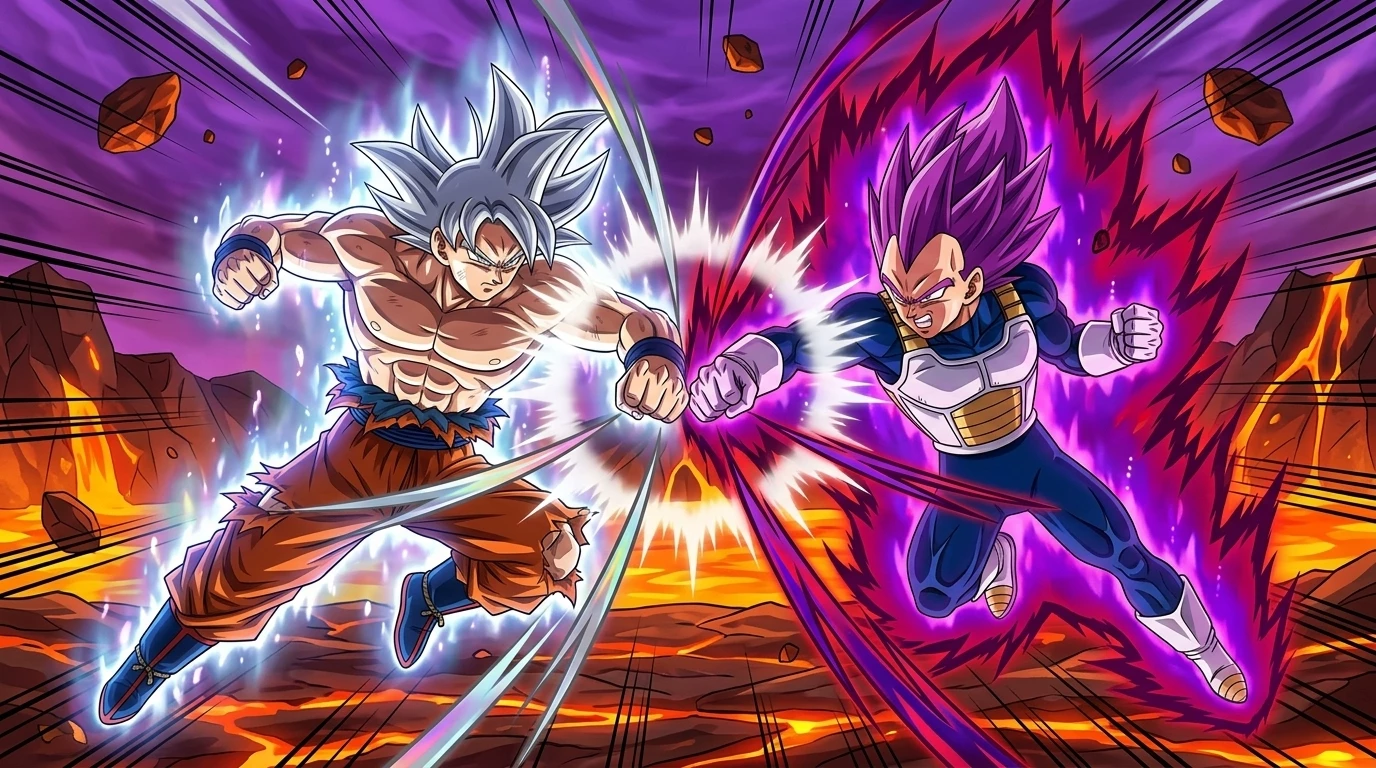
Sparking Zero May 26 Update Adds Demon World Stage and Reworks Transformation Healing
May 27, 2026Bandai Namco shipped a free Dragon Ball: Sparking Zero update on May 26, 2026 that introduces a new Demon World stage, overhauls transformation healing, and confirms the Daima Character Pack and Shallot DLC for release on June 27, 2026....
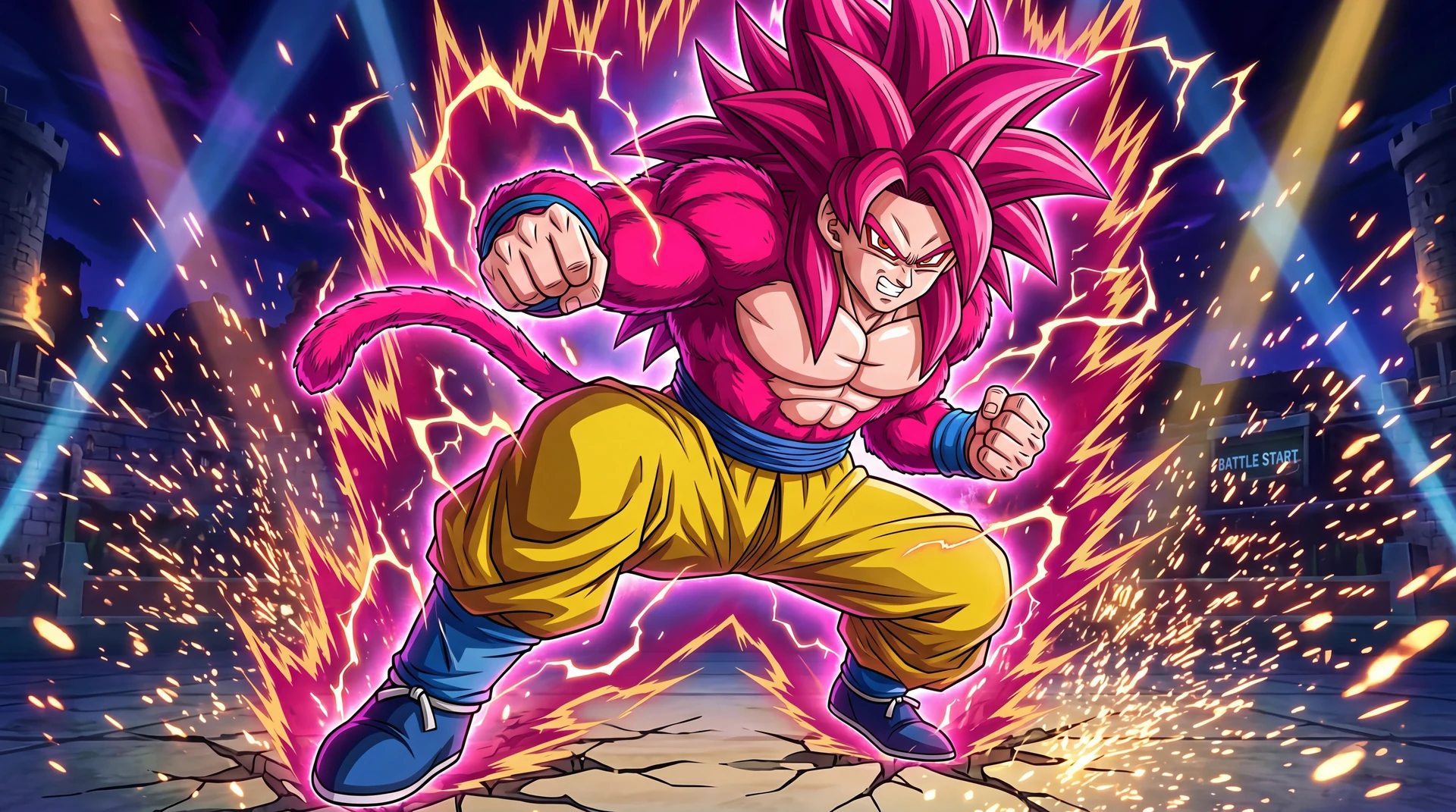
Dragon Ball FighterZ Adds Super Saiyan 4 Goku From Daima
May 25, 2026Dragon Ball FighterZ added Super Saiyan 4 Goku, the form featured in the Daima anime, as DLC on April 22, 2026. The 2018 fighting game is still getting new content nearly eight years on....
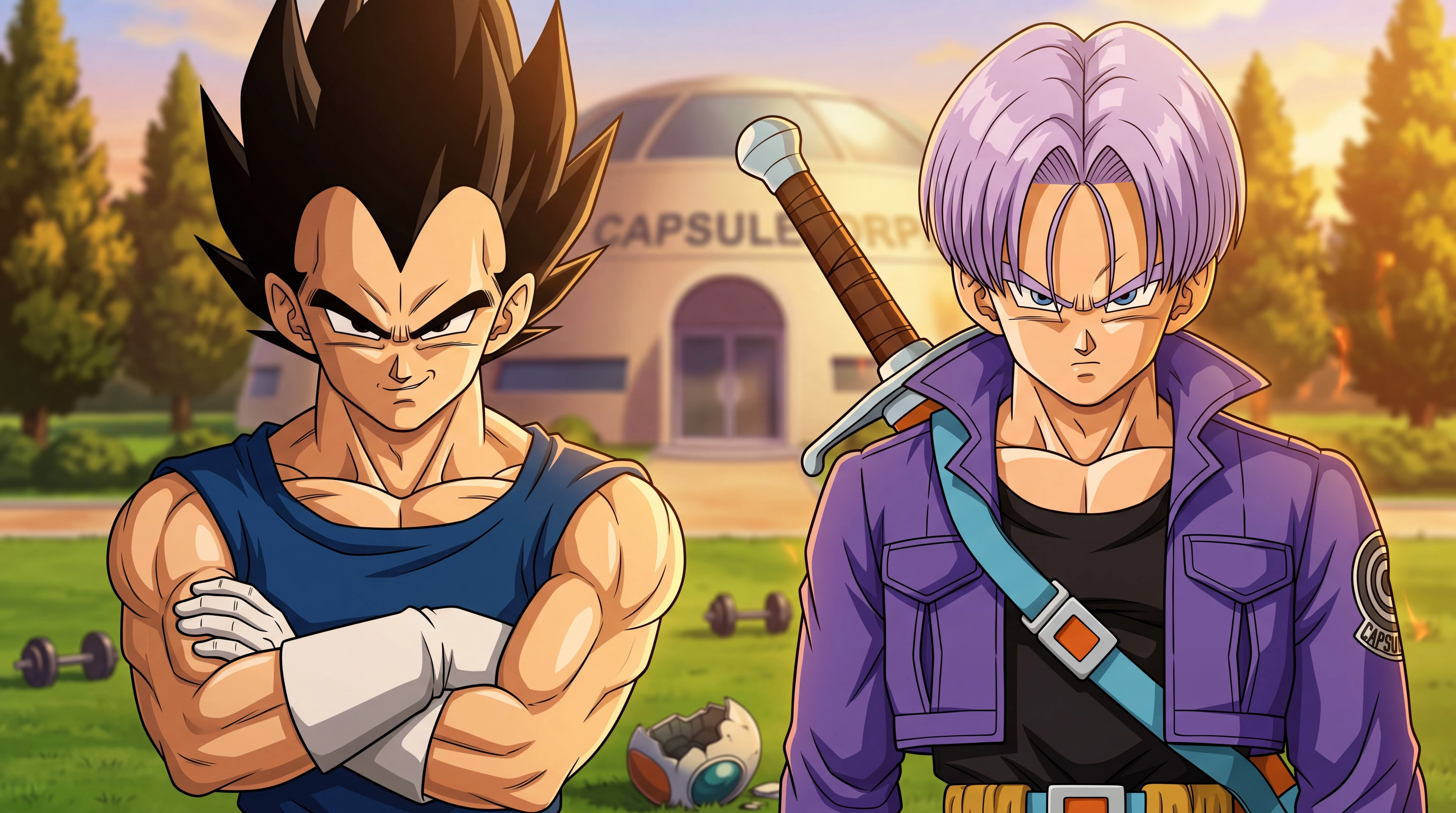
Dragon Ball Sparking Zero Super Limit-Breaking NEO DLC Adds 30 Plus Fighters for Summer 2026
Apr 20, 2026Bandai Namco and Spike Chunsoft unveiled the Super Limit-Breaking NEO expansion for Dragon Ball Sparking Zero at Battle Hour 2026. Summer 2026 release, 30 plus characters, four new stages, and a new solo mode....
Sources & Information
Looking for more on Dragon Ball: Dragon Daihikyou? The Dragon Ball Wiki on Fandom has a dedicated page with community notes.
View on FandomThis content is original writing by Daddy Jim Headquarters based on the Dragon Ball anime series, manga, and official materials. Episode and chapter references are cited where applicable.
Character and scene imagery on this site is original artwork by Daddy Jim Headquarters, not screenshots or licensed imagery. Official cover art is used on three types of pages for editorial commentary:
- Movie pages: theatrical posters and key visuals, credited to Toei Animation and Shueisha.
- Game pages: official box art, credited to Bandai Namco, Atari, and other publishers.
- Manga chapter pages: Jump Comics volume covers, credited to Shueisha and Akira Toriyama.
Browse our episode guides:
Official resources:
Dragon Ball Music by Daddy Jim Headquarters
Come listen to some Dragon Ball R&B.
Help Us Keep This Wiki Accurate
Daddy Jim Headquarters maintains this encyclopedia across 13 languages. If you spot an error, a translation issue, or something that doesn't look right, let us know.