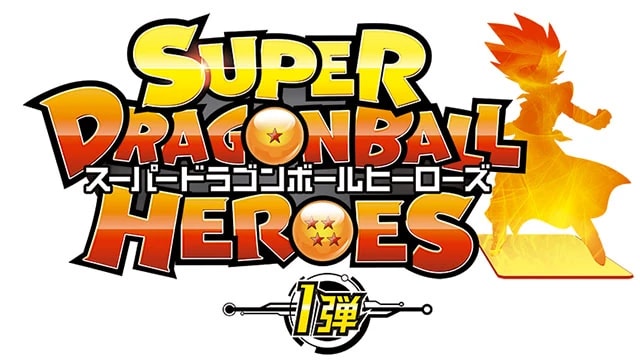
Dragon Ball Heroes
Game, now known as Super Dragon Ball Heroes, is a Japanese arcade game developed by Dimps, as the sixth Dragon Ball Z: Data Carddass game. Announced on October 21, 2010, and released on November 11, 2010, the game allows the usage of many characters from the Dragon Ball series, as well as characters new to the series.
Gameplay & Card Battle System
Dragon Ball Heroes, later rebranded as Super Dragon Ball Heroes, is a Japanese arcade card battle game that uses a turn-based combat system conducted over five rounds or fewer. Each match pits teams of up to seven characters against each other, with a single shared health bar representing the team rather than individual fighters. Players physically place character cards on the game board to position their fighters on the playing field, with characters positioned farther back dealing and receiving reduced damage compared to those in the front row. During both attack and defense phases, timing mini-games appear on screen and require the player to press a button with precise timing to fill a gauge, determining whether the exchange favors offense or defense.
Special attacks are only available during the attack phase if the player wins the timing challenge. Team-wide special attacks called Ultimate Units can also be triggered under the right conditions. The card system supports a wide variety of in-battle actions including transformations, fusions, ki enhancement, Kamehameha chains, opponent brainwashing, summons of giant characters, and support from player avatars or robots. Each set of cards introduces new mechanics, with the game's various series updates bringing significant changes to the battle interface and visual fidelity over the years.
The arcade game was developed by Dimps and released on November 11, 2010, as the sixth Dragon Ball Z: Data Carddass game. Since launch, Dragon Ball Heroes has operated continuously for over fourteen years, distributing over 1.2 billion physical cards by October 2022. The game generates well over five billion yen per year and maintains a registered player base of approximately 1.82 million people, making it the top-ranked digital card game in the Japanese market throughout its run.

Story Arcs & Card Sets
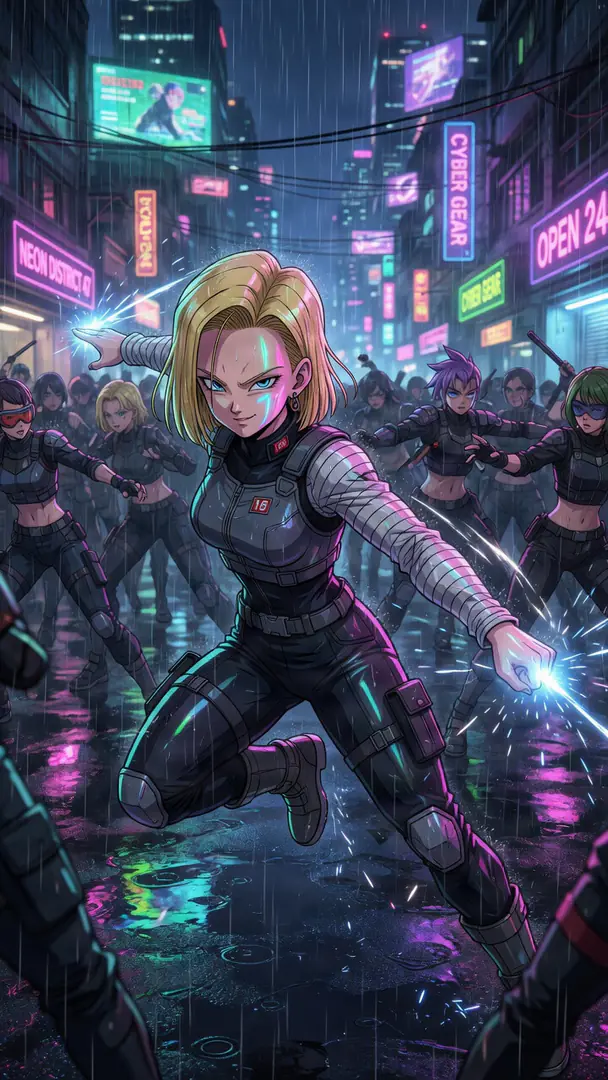
Dragon Ball Heroes began incorporating original narrative arcs starting from the God Missions, eventually building nine overarching story threads: the Dark Demon Realm Saga, Dark Empire Saga, Prison Planet Saga, Dark King Mechikabura Saga, Universal Conflict Saga, Universe Creation Saga, New Space-Time War Saga, Supreme Kai of Time Saga, and Demon Invader Saga. These storylines introduced entirely new characters and alternate timeline versions of established fighters who exist only within the Dragon Ball Heroes continuity.
Card sets are organized around thematic groupings that rotate with each new series release. The earliest missions focused on the Red Ribbon Androids, Majin Buu, and Frieza Force factions before expanding into Dragon Ball GT characters, movie villains, and Battle of Gods-era content during the Galaxy Missions. The God Missions introduced the first Heroes-original narrative story characters, while the Super Dragon Ball Heroes rebrand beginning in 2016 brought a graphical overhaul, increased team card counts from five to seven, and the addition of support-type giant characters. Each new series, from Universe Mission through Big Bang Mission, Ultra God Mission, and Meteor Mission, added further gameplay refinements and new card mechanics.
Legacy & Transition
Dragon Ball Heroes became the dominant Dragon Ball gaming property in the Japanese arcade market, running for over fourteen years before its final set, Meteor Mission 6, released on August 29, 2024. On May 9, 2024, Bandai announced that the game would cease new operations with the launch of Dragon Ball Super Divers, though plans were confirmed for a dedicated "Heroes Mode" within the new title that would allow existing card collections to carry forward.
The game spawned three Nintendo 3DS ports (Ultimate Mission, Ultimate Mission 2, and Ultimate Mission X), a Nintendo Switch and Steam port in Super Dragon Ball Heroes: World Mission, and a long-running promotional anime series that began in 2018. Multiple manga series adapted the game's narrative arcs for print, extending the Heroes brand across comics, animation, and home software platforms. A test run with English-translated arcade machines during the Dragon Ball North American Tour 2018 hinted at international expansion, though a full Western arcade release never materialized.
Related Reading
See all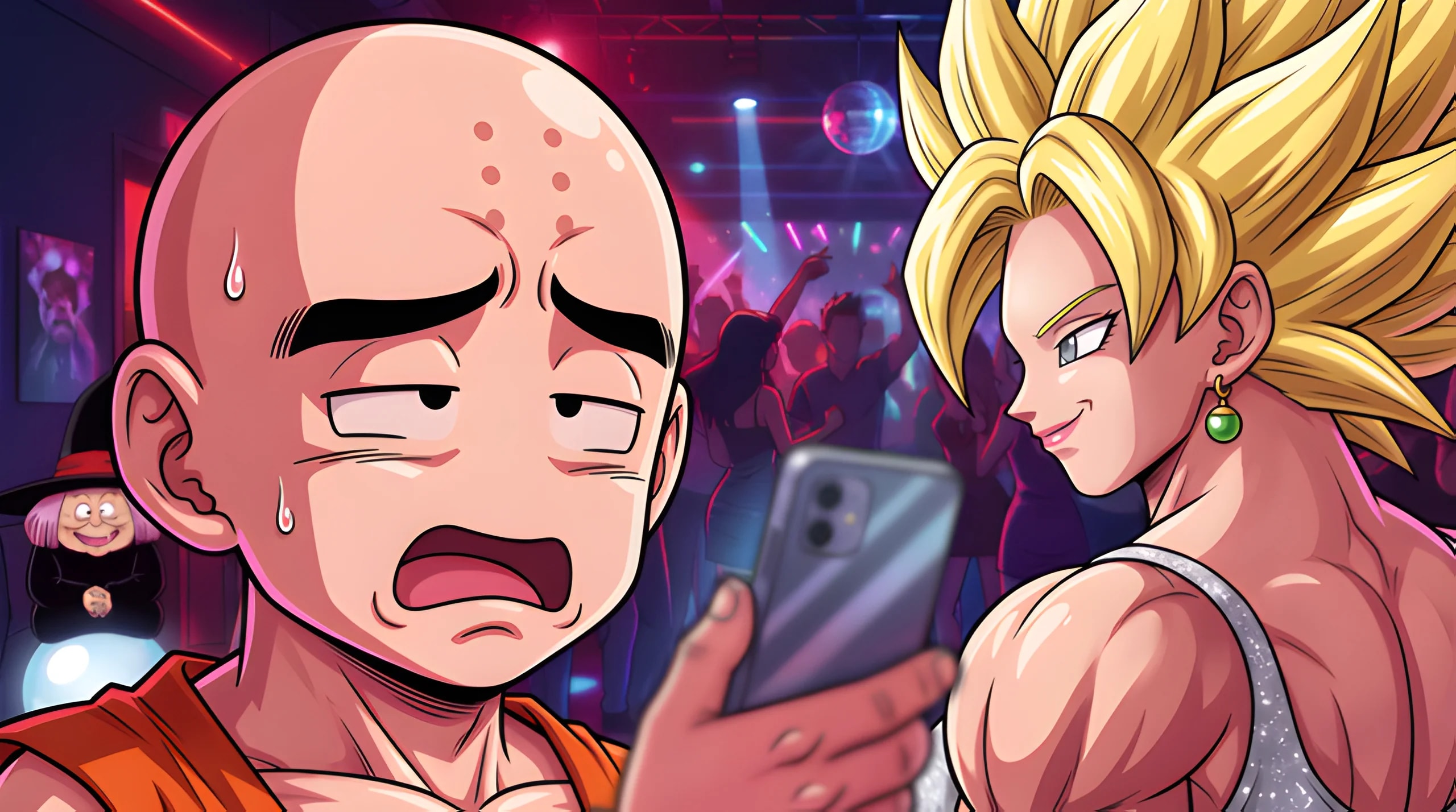
Krillin's on the Tinder: How the Ultimate Short King Survived the Height Filter
Tinder built a height filter. Dragon Ball built a five foot legend. What happened when we sent the ultimate short king into the modern dating hellscape....
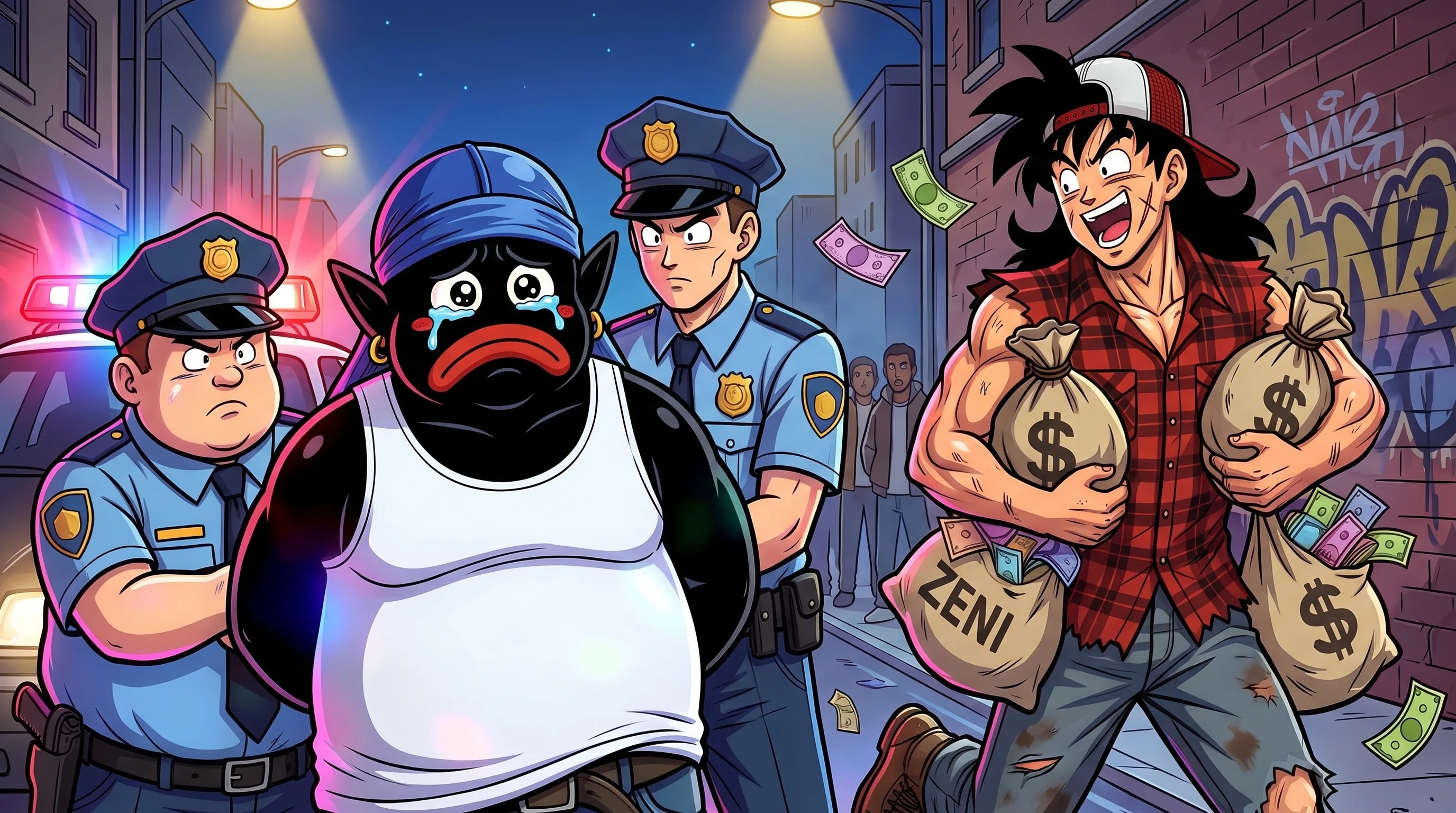
Infinite Zeni Glitch: When Yamcha Never Pays and Mr. Popo Always Does
The internet found an infinite money glitch. So did Yamcha. A smooth R&B track about the easiest money in the Dragon Ball world and the one man who keeps paying for it....
Frequently Asked Questions
Is Dragon Ball Heroes a real series?
Dragon Ball Heroes ties into the Heroes era of the franchise., now known as Super Dragon Ball Heroes, is a Japanese arcade game developed by Dimps, as the sixth Dragon Ball Z: Data Carddass game. Dragon Ball Heroes, later rebranded as Super Dragon Ball Heroes, is a Japanese arcade card battle game that uses a turn-based combat system conducted over five rounds or fewer.
What is Dragon Ball Heroes?
, now known as Super Dragon Ball Heroes, is a Japanese arcade game developed by Dimps, as the sixth Dragon Ball Z: Data Carddass game. Announced on October 21, 2010, and released on November 11, 2010, the game allows the usage of many characters from the Dragon Ball series, as well as characters new to the series.
Which characters appear in Dragon Ball Heroes?
Dragon Ball Heroes began incorporating original narrative arcs starting from the God Missions, eventually building nine overarching story threads: the Dark Demon Realm Saga, Dark Empire Saga, Prison Planet Saga, Dark King Mechikabura Saga, Universal Conflict Saga, Universe Creation Saga, New Space-Time War Saga, Supreme Kai of Time Saga, and Demon Invader Saga. These storylines introduced entirely new characters and alternate timeline versions of established fighters who exist only within the Dragon Ball Heroes continuity. Card sets are organized around thematic groupings that rotate with each new series release.
What is Dragon Ball Heroes about?
Dragon Ball Heroes, later rebranded as Super Dragon Ball Heroes, is a Japanese arcade card battle game that uses a turn-based combat system conducted over five rounds or fewer. Each match pits teams of up to seven characters against each other, with a single shared health bar representing the team rather than individual fighters. Players physically place character cards on the game board to position their fighters on the playing field, with characters positioned farther back dealing and receiving reduced damage compared to those in the front row.
When was Dragon Ball Heroes released?
Dragon Ball Heroes was released in 2010. It was developed by Dimps.
Sources & Information
Looking for more on Dragon Ball Heroes? The Dragon Ball Wiki on Fandom has a dedicated page with community notes.
View on FandomThis content is original writing by Daddy Jim Headquarters based on the Dragon Ball anime series, manga, and official materials. Episode and chapter references are cited where applicable.
Character and scene imagery on this site is original artwork by Daddy Jim Headquarters, not screenshots or licensed imagery. Official cover art is used on three types of pages for editorial commentary:
- Movie pages: theatrical posters and key visuals, credited to Toei Animation and Shueisha.
- Game pages: official box art, credited to Bandai Namco, Atari, and other publishers.
- Manga chapter pages: Jump Comics volume covers, credited to Shueisha and Akira Toriyama.
Browse our episode guides:
Official resources:
Help Us Keep This Wiki Accurate
Daddy Jim Headquarters maintains this encyclopedia. If you spot an error, a translation issue, or something that doesn't look right, let us know.