Dragon Ball: The Breakers
GameDragon Ball: The Breakers is an asymmetrical action game developed by Dimps. It takes place in the same universe as the Dragon Ball Xenoverse games.
Asymmetric Multiplayer Gameplay
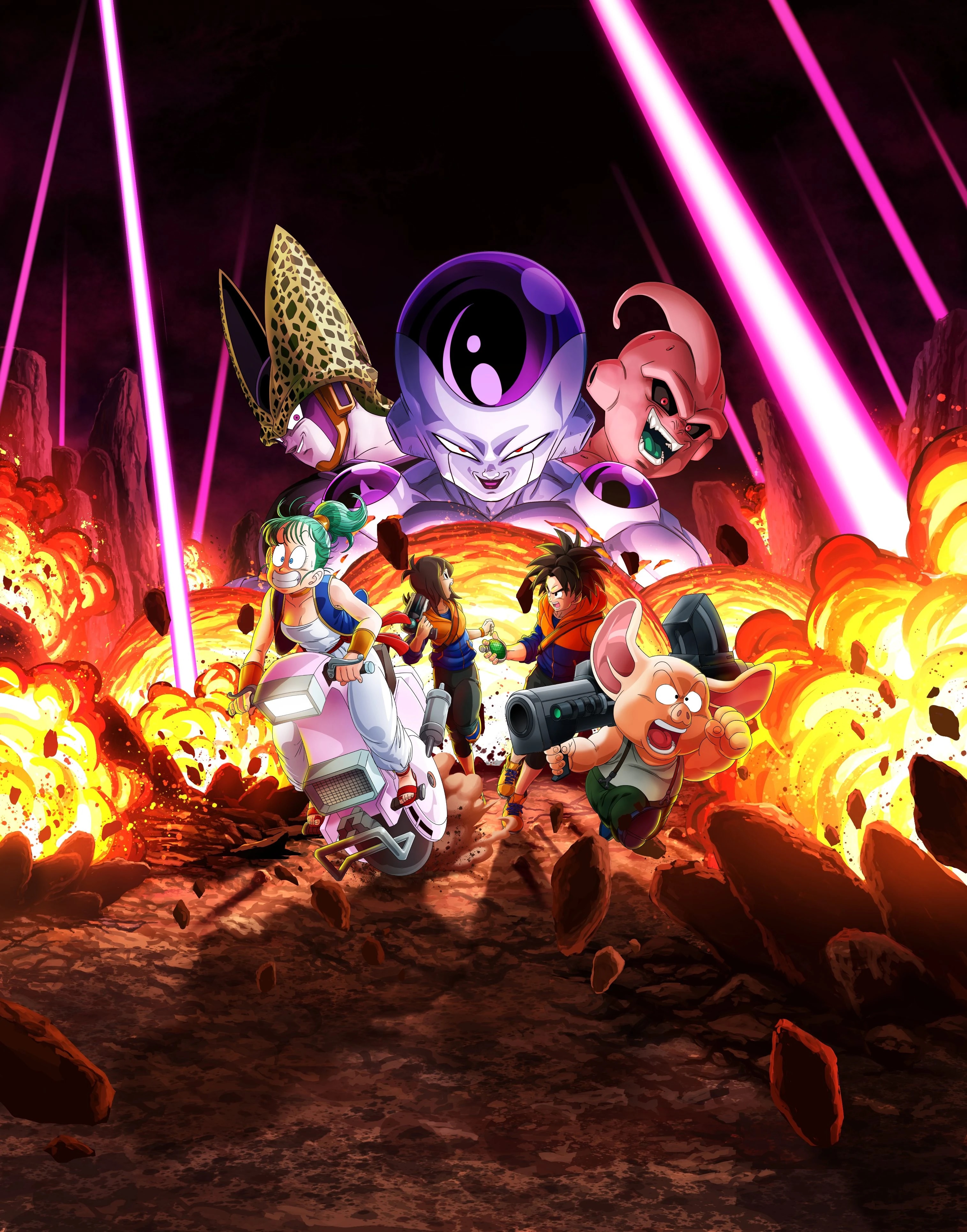
Dragon Ball: The Breakers is an asymmetric online multiplayer game developed by Dimps, set within the same universe as the Dragon Ball Xenoverse series. The game casts one player as the Raider, a powerful villain drawn from Dragon Ball history who hunts down the remaining players throughout the match, and assigns the remaining players the role of Survivors, ordinary civilians who must evade, cooperate, and ultimately escape the Raider before being eliminated. The asymmetric structure creates fundamentally different experiences for the two sides: the Raider grows stronger as the match progresses and eliminations accumulate, while Survivors must coordinate their actions, gather resources, and activate a large time machine to secure their escape from the Temporal Seam environment.
Survivors have access to a range of tools and abilities to aid their escape, including Super Souls that temporarily grant them the combat powers of iconic Dragon Ball Z heroes, allowing a civilian character to briefly fight back against the Raider using familiar techniques. The game rewards communication and coordination among the Survivor team, as solo play is generally insufficient against an experienced Raider. The Raider's power progression during a match, growing from a weaker initial state to a fully powered final form as they eliminate Survivors and complete objectives, mirrors the escalating power dynamic of the game's villain roster, which includes Frieza, Cell, Majin Buu, Beerus, and Broly as selectable Raider characters.
Custom Survivor characters can be created using an Earthling Male or Earthling Female base, giving players a personalized presence in the game's world separate from the named cast of Dragon Ball characters. A roster of named Survivor characters also exists, drawn from across the Dragon Ball franchise and organized into seasonal unlocks, with characters such as Youth Bulma, Oolong, and Farmer among the first season's options.


Story & Xenoverse Connection
The narrative premise of The Breakers centers on seven ordinary people trapped in a Temporal Seam, a pocket dimension created by a disturbance in time that strands them alongside a Raider from another timeline. The Survivors must work together to activate an escape mechanism, the large-scale time machine, while the Raider attempts to eliminate them before they can succeed. This setup draws directly from the time-travel and timeline disruption themes established in the Xenoverse series, providing a lore-consistent framework that connects both games within the same fictional universe without requiring players to have played either Xenoverse title to understand the premise.
A formal crossover event with Dragon Ball Xenoverse 2 reinforced the shared universe connection through an in-game DLC update, version 1.18.01, which introduced a Breakers Oolong character as an NPC in Xenoverse 2's Conton City hub. This Oolong acts as a bridge between the two games, providing players with an in-fiction acknowledgment of the events of The Breakers within the Xenoverse world. The crossover serves as both a narrative tie and a marketing connection, encouraging players of one game to be aware of the other's content.
Genre Position & Legacy
Dragon Ball: The Breakers occupies a distinctive niche within the Dragon Ball gaming portfolio as the franchise's first dedicated asymmetric survival multiplayer title. The design draws clear influence from the asymmetric horror game genre popularized by titles such as Dead by Daylight, translating that format into the Dragon Ball universe by substituting monsters with iconic franchise villains and survivors with ordinary Dragon Ball world civilians. This genre translation gave the game a unique identity within the franchise's library while drawing interest from players familiar with asymmetric multiplayer design.
Developed by Dimps, who are also responsible for the Xenoverse series, The Breakers benefits from a development team with deep Dragon Ball game experience and an established connection to the franchise's lore and visual language. The Xenoverse universe setting allowed the game to inherit the time-travel and Temporal Seam concepts without requiring new worldbuilding, providing a ready-made narrative container for its premise. The game's position as an online multiplayer title dependent on an active player population represents both its greatest strength and its primary ongoing challenge, as the health of the matchmaking pool directly determines the quality of the player experience.
Related Reading
See all
Chiaotzu is Chi-Chi's Boo: Why the Guy Who Never Wins Finally Wins
The least likely man in Dragon Ball just took the biggest win in our catalog. The story behind our R&B record about Chiaotzu, Chi-Chi, and a house Goku is never in....
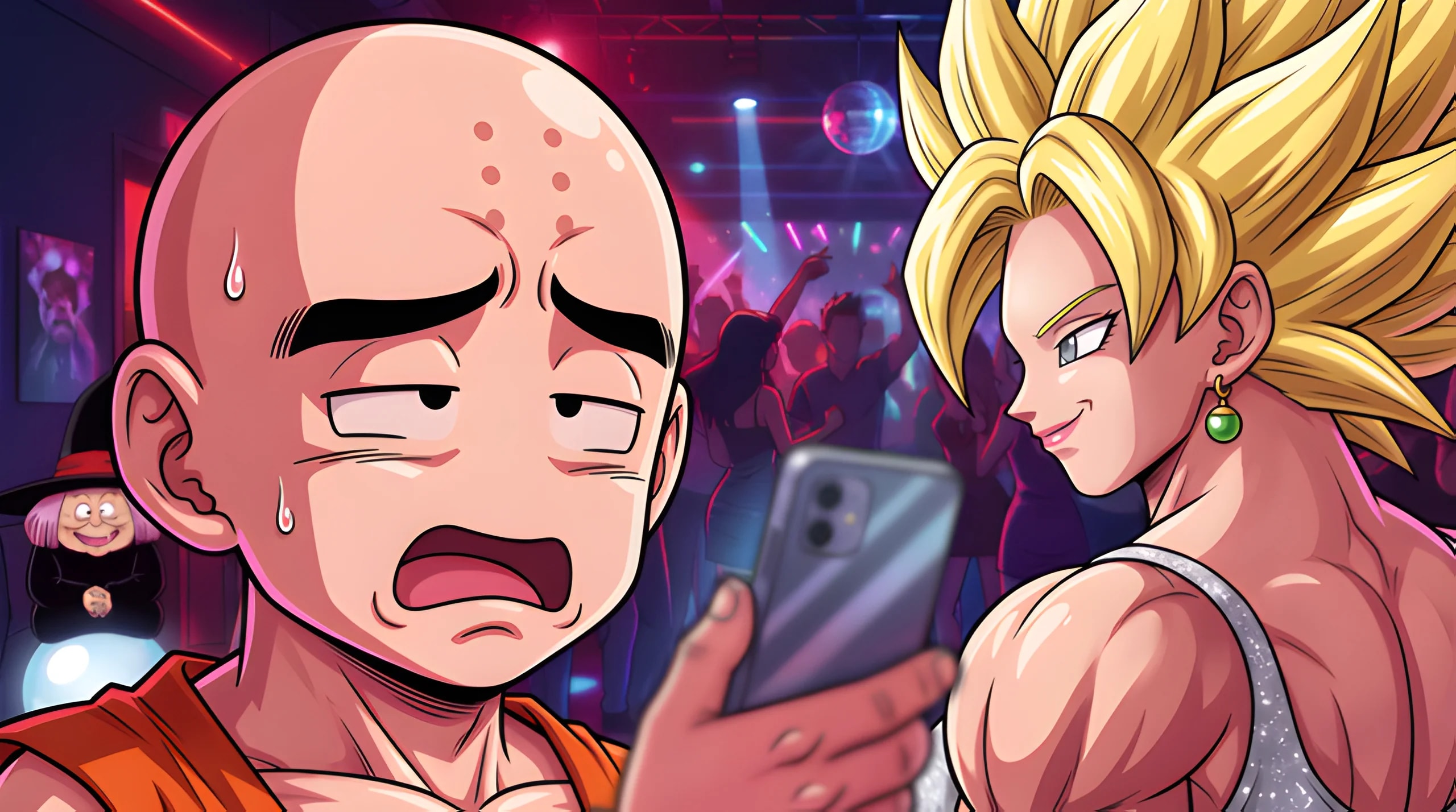
Krillin's on the Tinder: How the Ultimate Short King Survived the Height Filter
Tinder built a height filter. Dragon Ball built a five foot legend. What happened when we sent the ultimate short king into the modern dating hellscape....
Frequently Asked Questions
What is Dragon Ball Z Breakers?
Dragon Ball: The Breakers is an asymmetrical action game developed by Dimps. It takes place in the same universe as the Dragon Ball Xenoverse games.
Which Dragon Ball era does Dragon Ball: The Breakers tie into?
Dragon Ball: The Breakers ties into the Dragon Ball era of the franchise. The title is an online asymmetrical action, survival co-op game.
How does Dragon Ball: The Breakers play?
Dragon Ball: The Breakers is an asymmetric online multiplayer game developed by Dimps, set within the same universe as the Dragon Ball Xenoverse series. The game casts one player as the Raider, a powerful villain drawn from Dragon Ball history who hunts down the remaining players throughout the match, and assigns the remaining players the role of Survivors, ordinary civilians who must evade, cooperate, and ultimately escape the Raider before being eliminated. The asymmetric structure creates fundamentally different experiences for the two sides: the Raider grows stronger as the match progresses and eliminations accumulate, while Survivors must coordinate their actions, gather resources, and activate a large time machine to secure their escape from the Temporal Seam environment.
When was Dragon Ball: The Breakers released?
Dragon Ball: The Breakers was released in 2022. It was developed by Dimps and published by Bandai Namco.
Who developed Dragon Ball: The Breakers?
Dragon Ball: The Breakers was developed by Dimps. The game was published by Bandai Namco in 2022.
Sources & Information
Looking for more on Dragon Ball: The Breakers? The Dragon Ball Wiki on Fandom has a dedicated page with community notes.
View on FandomThis content is original writing by Daddy Jim Headquarters based on the Dragon Ball anime series, manga, and official materials. Episode and chapter references are cited where applicable.
Character and scene imagery on this site is original artwork by Daddy Jim Headquarters, not screenshots or licensed imagery. Official cover art is used on three types of pages for editorial commentary:
- Movie pages: theatrical posters and key visuals, credited to Toei Animation and Shueisha.
- Game pages: official box art, credited to Bandai Namco, Atari, and other publishers.
- Manga chapter pages: Jump Comics volume covers, credited to Shueisha and Akira Toriyama.
Browse our episode guides:
Official resources:
Help Us Keep This Wiki Accurate
Daddy Jim Headquarters maintains this encyclopedia. If you spot an error, a translation issue, or something that doesn't look right, let us know.