
Dragon Ball Z: Bakuretsu Impact
GameDragon Ball Z: Bakuretsu Impact裂 IMPACT|Doragon Bōru Zetto Bakuretsu Impakuto|lit. Dragon Ball Z: The Exploding Impact}} is a card-based fighting game developed by Dimps and Pyramid, and released in 2007, in Japan only, as the third Data Carddass Dragon Ball Z game. Its sequel is Dragon Ball Z: W Bakuretsu Impact. Bakuretsu Impact appears to be based off Dragon Ball Z: Budokai 3.
Gameplay
Dragon Ball Z: Bakuretsu Impact is a card-based arcade fighting game developed by Dimps and Pyramid for the Data Carddass platform, released exclusively in Japan in 2007. The game operates on the Data Carddass hardware found in Japanese arcades, where players purchase physical cards and scan them into the machine to build their fighter roster and power up their chosen characters. The cabinet-based format means the experience is shaped by the card collection the player brings to each session, with stronger cards providing decisive advantages in battle.
The fighting system draws heavily from Dragon Ball Z: Budokai 3, borrowing its visual language and core combat principles while adapting them to the card-scanning format. Players select their main fighter from a roster spanning multiple transformations of iconic characters, and the card data determines the attributes and special moves available during each match. Assist characters can be called on from a separate pool of supporting figures and provide tactical benefits during combat, adding another layer of strategic depth to deck construction.
Bakuretsu Impact features one of the most expansive character rosters of any Data Carddass title, covering fighters from Dragon Ball Z, Dragon Ball GT, and theatrical films. Playable forms include every major Super Saiyan tier, multiple Android variants, and Fusion characters. The assist pool is similarly large, drawing on secondary characters like Bulma, Korin, and Porunga who influence the flow of battle without appearing as direct combatants.


Content and Characters
The game presents a roster that spans the entirety of the Dragon Ball timeline. Goku appears in base form and across all four Super Saiyan levels, while his Dragon Ball GT counterpart carries his own set of transformations. Teen Gohan, Vegeta, Future Trunks, and a wide array of antagonists from Frieza through Omega Shenron fill out the playable lineup. Fusion characters such as Vegito and Gogeta are present in multiple Super Saiyan forms, and non-canonical entries like Gokule and Veku appear as part of the experimental what-if roster.
Villain representation is thorough: Frieza appears across all five forms including Full Power, Cell progresses from base through Perfect form, and Dragon Ball GT antagonists like Baby Vegeta, Super 17, and Omega Shenron are all playable. Movie characters including Broly, Cooler, Meta-Cooler, Janemba, and Pikkon further extend the roster beyond the core television narrative. The assist character list adds dozens more figures, ranging from major allies to minor characters who appear only briefly in the original series.
A direct sequel, Dragon Ball Z: W Bakuretsu Impact, followed this game and expanded both the roster and the card pool. Bakuretsu Impact holds its place as the third entry in the Data Carddass Dragon Ball Z series, building on the infrastructure established by its predecessors while setting the template that W Bakuretsu Impact would refine.


Context and Platform
The Data Carddass series represents a distinct strand of the Dragon Ball gaming ecosystem, designed for the Japanese arcade market rather than home consoles. Bakuretsu Impact sits within this tradition, offering an experience that is inherently social and location-based, shaped by the physical card trading culture that surrounds the cabinet format. Players who invested in building their card collections gained access to more powerful configurations unavailable to casual participants.
Its Japan-only release means Bakuretsu Impact remains largely unknown outside collectors and dedicated franchise historians, yet it contributed to the ongoing commercial success of the Data Carddass line during its peak years. The game's visual similarity to Budokai 3 gave it an accessible aesthetic for players already familiar with home console Dragon Ball titles, bridging the gap between the two market segments. Its legacy lies primarily in its catalog value and its role in extending the Data Carddass format through one of the franchise's most active periods in Japanese arcades.
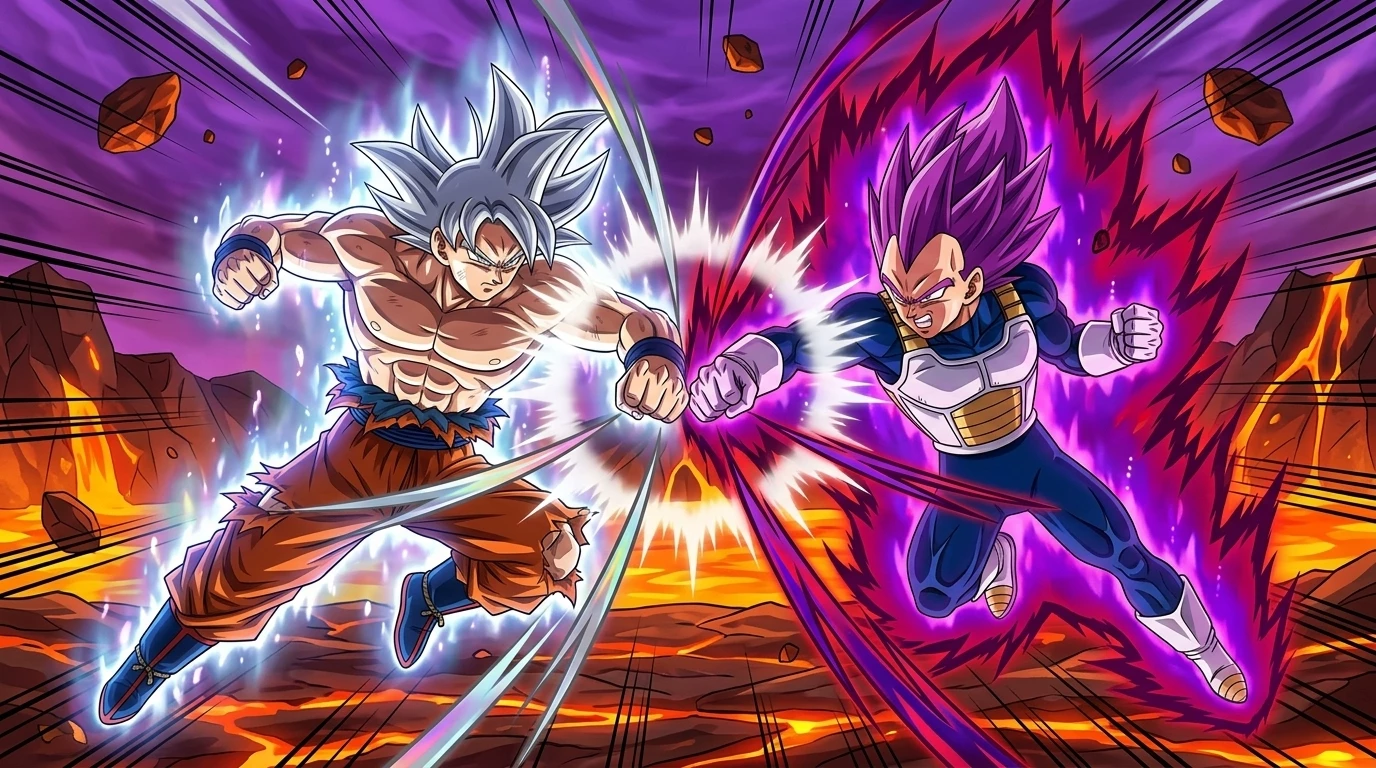
Sparking Zero May 26 Update Adds Demon World Stage and Reworks Transformation Healing
May 27, 2026Bandai Namco shipped a free Dragon Ball: Sparking Zero update on May 26, 2026 that introduces a new Demon World stage, overhauls transformation healing, and confirms the Daima Character Pack and Shallot DLC for release on June 27, 2026....
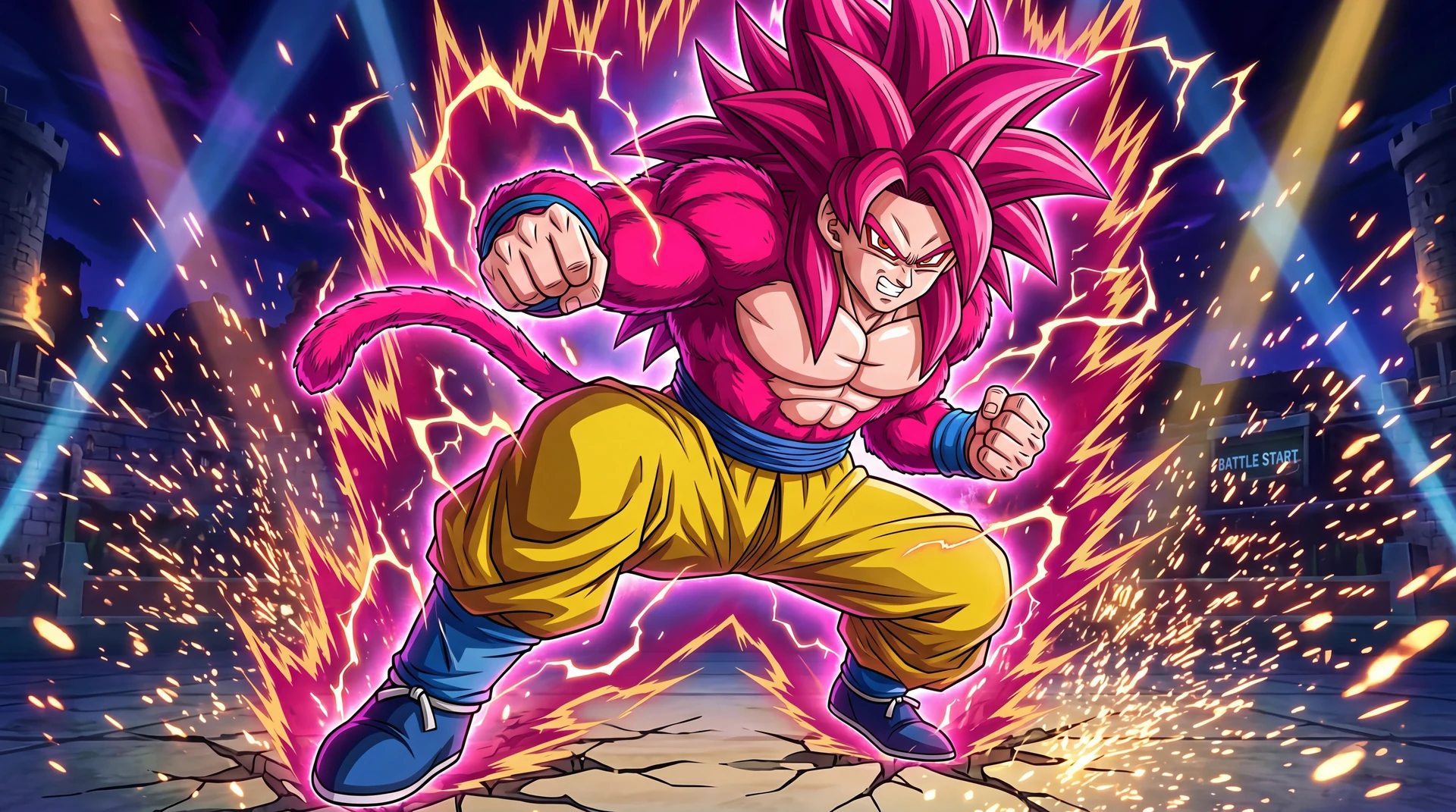
Dragon Ball FighterZ Adds Super Saiyan 4 Goku From Daima
May 25, 2026Dragon Ball FighterZ added Super Saiyan 4 Goku, the form featured in the Daima anime, as DLC on April 22, 2026. The 2018 fighting game is still getting new content nearly eight years on....

Dragon Ball Sparking Zero Super Limit-Breaking NEO DLC Adds 30 Plus Fighters for Summer 2026
Apr 20, 2026Bandai Namco and Spike Chunsoft unveiled the Super Limit-Breaking NEO expansion for Dragon Ball Sparking Zero at Battle Hour 2026. Summer 2026 release, 30 plus characters, four new stages, and a new solo mode....
Sources & Information
Looking for more on Dragon Ball Z: Bakuretsu Impact? The Dragon Ball Wiki on Fandom has a dedicated page with community notes.
View on FandomThis content is original writing by Daddy Jim Headquarters based on the Dragon Ball anime series, manga, and official materials. Episode and chapter references are cited where applicable.
Character and scene imagery on this site is original artwork by Daddy Jim Headquarters, not screenshots or licensed imagery. Official cover art is used on three types of pages for editorial commentary:
- Movie pages: theatrical posters and key visuals, credited to Toei Animation and Shueisha.
- Game pages: official box art, credited to Bandai Namco, Atari, and other publishers.
- Manga chapter pages: Jump Comics volume covers, credited to Shueisha and Akira Toriyama.
Browse our episode guides:
Official resources:
Dragon Ball Music by Daddy Jim Headquarters
Come listen to some Dragon Ball R&B.
Help Us Keep This Wiki Accurate
Daddy Jim Headquarters maintains this encyclopedia across 13 languages. If you spot an error, a translation issue, or something that doesn't look right, let us know.