Dragon Ball Z: Battle Taikan Kamehameha - Omee to Fusion
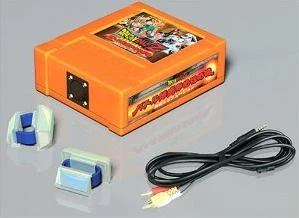
GameDragon Ball Z: Battle Taikan Kamehameha - Omee to Fusion is an all-in-one Let's! TV Play video game by Bandai where the player can "fuse" with one of several fighters and fight classic battles from the Dragon Ball Z anime series.
Gameplay
Dragon Ball Z: Battle Taikan Kamehameha - Omee to Fusion is an all-in-one Let's! TV Play game developed and published by Bandai in which the player physically merges with a Dragon Ball Z fighter and re-enacts classic battles from the anime. The game connects to a television through standard audio-video cables and includes the Dragon Band, a pair of wireless sensor devices that slip over the player's fingers on both hands. These controllers detect the player's physical movements and translate them directly into battle actions on screen.
The control scheme is intentionally accessible. The game follows a rail shooter structure, guiding the player along a fixed combat route while they respond to on-screen threats with real-world gestures. Throwing a punch fires a melee strike, making the Kamehameha hand position executes that signature beam, and deflecting or brushing away incoming attacks requires the player to physically respond to each incoming blow. Data can also be loaded via an integrated card reading mechanism, which allows compatible card data to affect gameplay and adds a collectible dimension to the experience.
The game covers battles from the Saiyan invasion through the Android and Cell arcs, the Majin Buu conflict, and into Dragon Ball GT. Boss encounters include Nappa, Vegeta, the Ginyu Force, Frieza, Android 18, Cell, Dabura, the various forms of Buu, Baby Vegeta, Super 17, and Omega Shenron. The physical nature of the controls means each encounter demands active player participation rather than passive button presses.


Story and Series Context
Battle Taikan Kamehameha begins with the battle against Nappa and Vegeta, situating the player immediately within one of Dragon Ball Z's most consequential early confrontations. From there, the narrative moves through the franchise's major story arcs in sequence, ending with the Shadow Dragon saga of Dragon Ball GT. The design philosophy frames each encounter as a personal experience, with the "fusion" concept of the title suggesting that the player has literally merged with the fighter they control.
The story is not an original narrative but rather a structured tour through pivotal moments from the Dragon Ball Z television series, adapted for the constraints and opportunities of the motion-control format. The game's value lies in its capacity to place the player kinesthetically inside those moments rather than in presenting new plot material. For a franchise built on physical combat and iconic techniques, the physical control scheme functions as an extension of the source material's core appeal.
Two subsequent games in the series expanded the roster and added new gameplay features. The third entry, Dragon Ball Z: Scouter Battle Taikan Kamehameha, introduced a replica scouter peripheral that functioned as the devices do in the anime. A One Piece crossover, Dragon Ball Z x One Piece: Battle Taikan Gomu Gomu no Kamehameha, incorporated characters and signature moves from both franchises into the same motion-based format.


Legacy
Battle Taikan Kamehameha launched a short but distinctive peripheral-driven sub-series within the Dragon Ball gaming catalog. Its Japan-only release positioned it firmly within the domestic market's appetite for toy-integrated gaming products, a category that Bandai navigated with particular confidence during this period. The Dragon Band controllers and the concept of physically performing Kamehameha-style gestures gave the game a novelty factor that no amount of button-pressing could replicate.
The game is remembered primarily as a product of its era, when the boundaries between toy and video game were actively being explored by Japanese publishers. Its legacy is most visible in the series it spawned and in the broader conversation about motion-controlled Dragon Ball experiences that would continue through later home console experiments. For collectors of Japanese Dragon Ball merchandise, it represents a memorable artifact of a creative period in the franchise's gaming history.
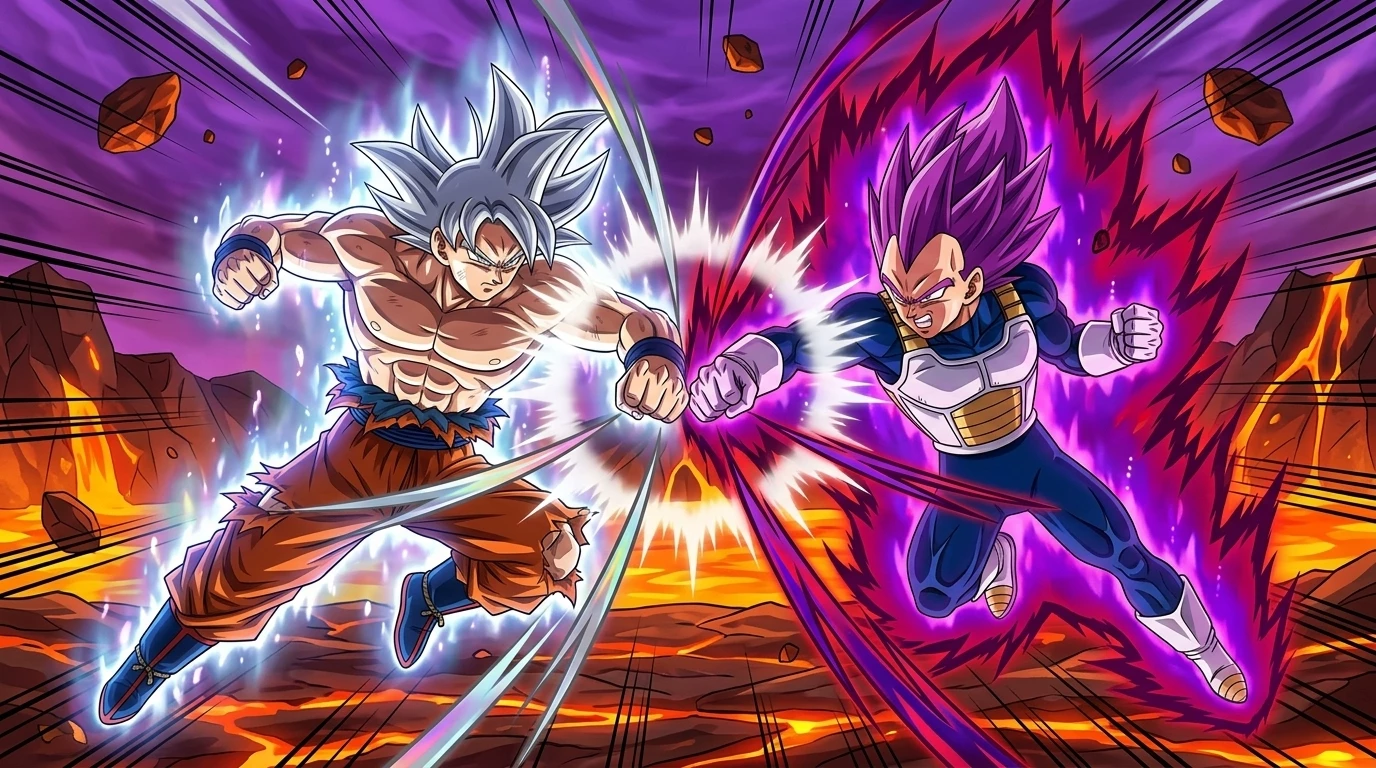
Sparking Zero May 26 Update Adds Demon World Stage and Reworks Transformation Healing
May 27, 2026Bandai Namco shipped a free Dragon Ball: Sparking Zero update on May 26, 2026 that introduces a new Demon World stage, overhauls transformation healing, and confirms the Daima Character Pack and Shallot DLC for release on June 27, 2026....
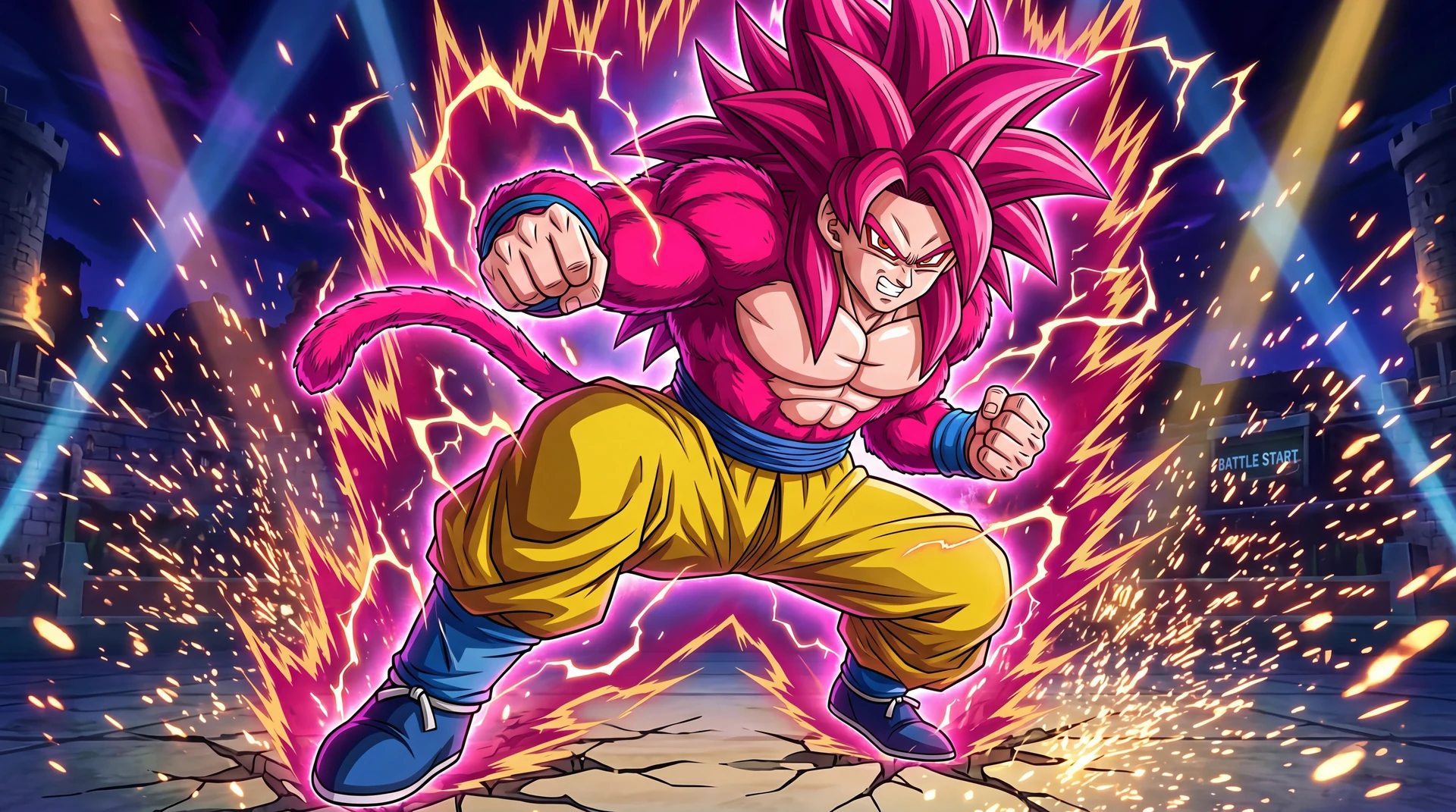
Dragon Ball FighterZ Adds Super Saiyan 4 Goku From Daima
May 25, 2026Dragon Ball FighterZ added Super Saiyan 4 Goku, the form featured in the Daima anime, as DLC on April 22, 2026. The 2018 fighting game is still getting new content nearly eight years on....
Dragon Ball Sparking Zero Super Limit-Breaking NEO DLC Adds 30 Plus Fighters for Summer 2026
Apr 20, 2026Bandai Namco and Spike Chunsoft unveiled the Super Limit-Breaking NEO expansion for Dragon Ball Sparking Zero at Battle Hour 2026. Summer 2026 release, 30 plus characters, four new stages, and a new solo mode....
Sources & Information
Looking for more on Dragon Ball Z: Battle Taikan Kamehameha - Omee to Fusion? The Dragon Ball Wiki on Fandom has a dedicated page with community notes.
View on FandomThis content is original writing by Daddy Jim Headquarters based on the Dragon Ball anime series, manga, and official materials. Episode and chapter references are cited where applicable.
Character and scene imagery on this site is original artwork by Daddy Jim Headquarters, not screenshots or licensed imagery. Official cover art is used on three types of pages for editorial commentary:
- Movie pages: theatrical posters and key visuals, credited to Toei Animation and Shueisha.
- Game pages: official box art, credited to Bandai Namco, Atari, and other publishers.
- Manga chapter pages: Jump Comics volume covers, credited to Shueisha and Akira Toriyama.
Browse our episode guides:
Official resources:
Dragon Ball Music by Daddy Jim Headquarters
Come listen to some Dragon Ball R&B.
Help Us Keep This Wiki Accurate
Daddy Jim Headquarters maintains this encyclopedia across 13 languages. If you spot an error, a translation issue, or something that doesn't look right, let us know.