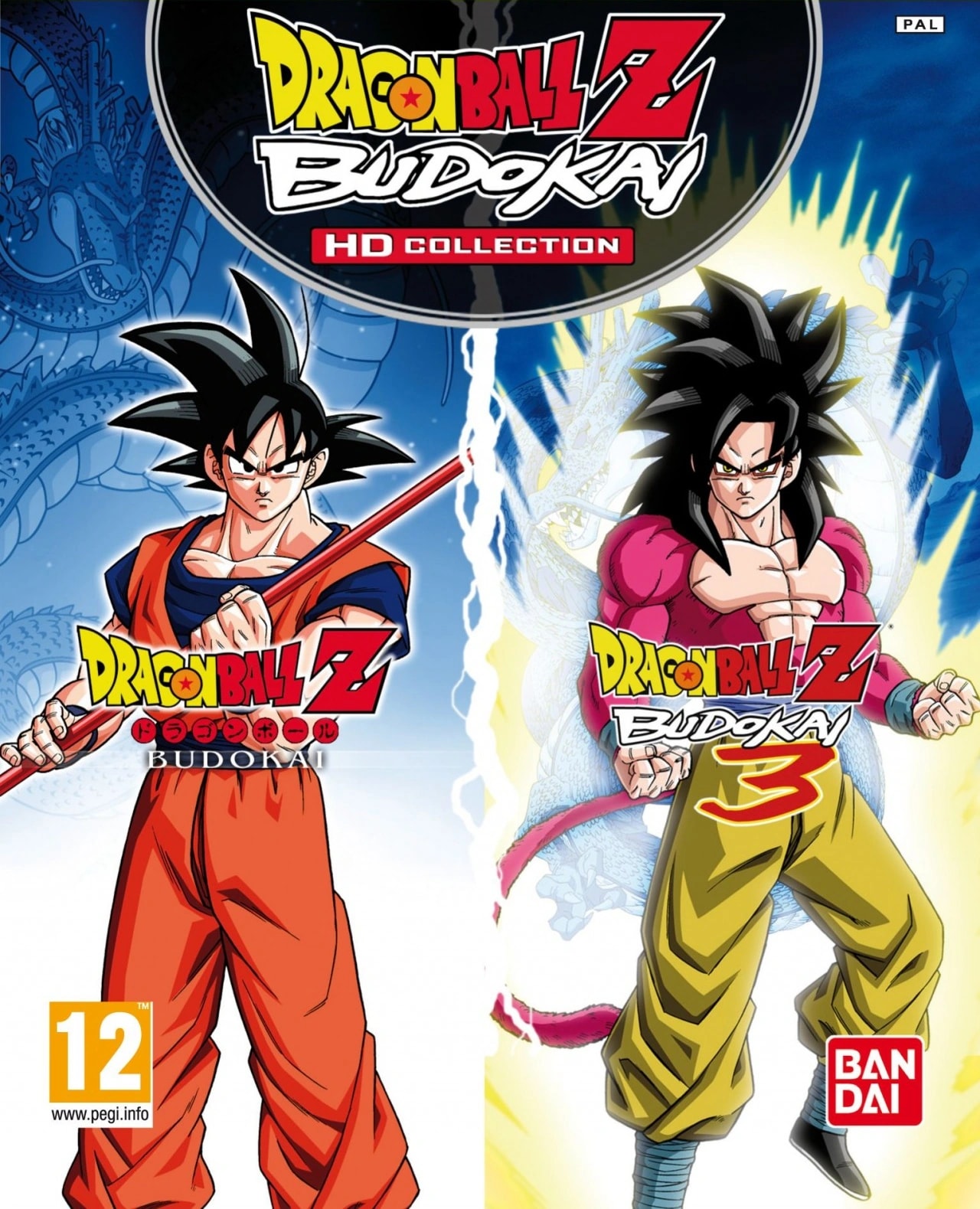
Dragon Ball Z: Budokai HD Collection
GameDragon Ball Z: Budokai HD Collection is a fighting video game collection for the PlayStation 3 and Xbox 360 consoles. It was released on November 2, 2012, in Europe and November 6, 2012, in North America.
Gameplay and Features
Dragon Ball Z: Budokai HD Collection is a remastered compilation developed for PlayStation 3 and Xbox 360, released in November 2012. The package includes both Dragon Ball Z: Budokai and Dragon Ball Z: Budokai 3, each updated to high-definition resolution with full Trophy and Achievement support. The graphical presentation of Budokai 3 in its HD form closely resembles the visual style of Dragon Ball Z: W Bakuretsu Impact, reflecting the updated rendering approach applied during the remaster process. Duel screen aspect ratios were extended from 4:3 to 16:9 in both games, broadening the field of view during combat.
Both included games received entirely new soundtracks rather than retaining the original Kenji Yamamoto compositions, which had been subject to plagiarism allegations. The replacement music draws from the soundtracks of Dragon Ball Z: Budokai Tenkaichi 2, Dragon Ball Z: Budokai Tenkaichi 3, Dragon Ball: Raging Blast, Dragon Ball Z: Tenkaichi Tag Team, and Dragon Ball Z: Ultimate Tenkaichi, supplemented by entirely new compositions and the American Dragon Ball Z theme from the original Budokai release. Japanese language audio is optionally available in both games, though the European version of Budokai offers only Japanese voice acting, matching the original European release configuration.
Several specific improvements distinguish the HD versions from their original releases. The second player in Budokai can now select a custom skill configuration from the character selection screen, a feature absent from the original. Story and fight scene transitions in Budokai are replaced with a new Z-shaped wipe. Budokai 3 retains all alternate costume codes from the Japanese, Collector, European, and Greatest Hits versions of the original game. Budokai 3 HD also censors one phase of Broly's Gigantic Meteor ultimate attack by fading to white rather than showing the original ground slam animation.


Content Overview
The collection presents both fighting games as they existed in their most content-complete forms. Budokai includes 23 playable characters with 60 moves each, covering the story from the Saiyan Saga through the Android Saga. Its modes span Story, Duel, World Tournament, and the Legend of Hercule challenge. Budokai 3 provides over 40 characters from Dragon Ball Z, its theatrical films, and Dragon Ball GT, with the Saiyan Overdrive Fighting System delivering the aerial acrobatics, cinematic attacks, and combo depth established in the original 2004 release. Character profile passwords from Budokai 3 can still be shared between players.
The compilation was officially announced at the Japan Expo convention in France in July 2012, following an early leak on a Spanish retail site that mistakenly identified it as a Budokai Tenkaichi HD Collection. Its winter 2012 launch window delivered the package to both major seventh-generation consoles simultaneously, making the remastered versions of both games accessible to players who had not encountered the originals on PlayStation 2.
A new title sequence in the European version of Budokai replaces the original static opening with footage compiled from in-game scenes, giving the presentation a more dynamic introduction. These region-specific refinements reflect the layered history of different localized releases that surrounded both games during their original lifetimes, particularly Budokai 3, whose various regional editions each carried slightly different content.
Context and Significance
The Budokai HD Collection arrived as the seventh console generation was entering its final years, offering players on PlayStation 3 and Xbox 360 a chance to revisit two of the most celebrated Dragon Ball fighting games from the PlayStation 2 era. The choice to include Budokai and Budokai 3 rather than assembling a trilogy reflected both the critical standing of those two entries and the practical complications surrounding Budokai 2's soundtrack, which shared the same composer whose other work had drawn plagiarism claims.
The soundtrack replacement that affected both games was a consequential decision, permanently altering the auditory experience of the HD versions relative to the originals. For players whose memories of both games are tied to Yamamoto's compositions, the new music represents a significant departure. The collection nonetheless preserved the mechanical content of both titles faithfully and introduced Trophy and Achievement support that gave longtime fans measurable progression goals to pursue within games they already knew well.
Related Reading
See all
Krillin's on the Tinder: How the Ultimate Short King Survived the Height Filter
Tinder built a height filter. Dragon Ball built a five foot legend. What happened when we sent the ultimate short king into the modern dating hellscape....
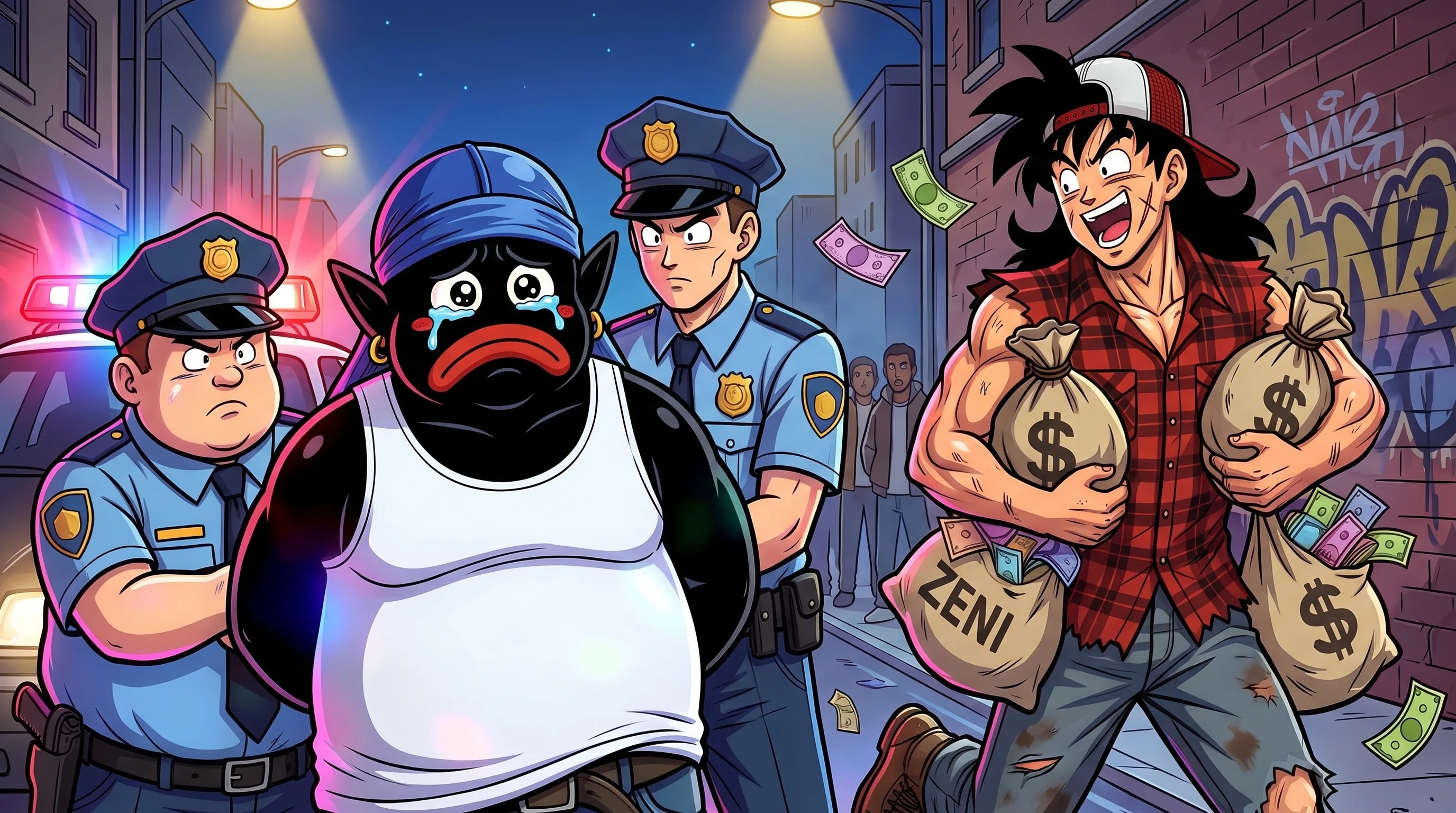
Infinite Zeni Glitch: When Yamcha Never Pays and Mr. Popo Always Does
The internet found an infinite money glitch. So did Yamcha. A smooth R&B track about the easiest money in the Dragon Ball world and the one man who keeps paying for it....
Frequently Asked Questions
What is Dragon Ball Z Budokai HD Collection?
Dragon Ball Z: Budokai HD Collection is a fighting video game collection for the PlayStation 3 and Xbox 360 consoles. It was released on November 2, 2012, in Europe and November 6, 2012, in North America.
Which characters appear in Dragon Ball Z: Budokai HD Collection?
The collection presents both fighting games as they existed in their most content-complete forms. Budokai includes 23 playable characters with 60 moves each, covering the story from the Saiyan Saga through the Android Saga. Its modes span Story, Duel, World Tournament, and the Legend of Hercule challenge.
How does Dragon Ball Z: Budokai HD Collection play?
Dragon Ball Z: Budokai HD Collection is a remastered compilation developed for PlayStation 3 and Xbox 360, released in November 2012. The package includes both Dragon Ball Z: Budokai and Dragon Ball Z: Budokai 3, each updated to high-definition resolution with full Trophy and Achievement support. The graphical presentation of Budokai 3 in its HD form closely resembles the visual style of Dragon Ball Z: W Bakuretsu Impact, reflecting the updated rendering approach applied during the remaster process.
When was Dragon Ball Z: Budokai HD Collection released?
Dragon Ball Z: Budokai HD Collection was released in 2012. It was developed by Dimps and published by Bandai Namco.
Who developed Dragon Ball Z: Budokai HD Collection?
Dragon Ball Z: Budokai HD Collection was developed by Dimps. The game was published by Bandai Namco in 2012.
Sources & Information
Looking for more on Dragon Ball Z: Budokai HD Collection? The Dragon Ball Wiki on Fandom has a dedicated page with community notes.
View on FandomThis content is original writing by Daddy Jim Headquarters based on the Dragon Ball anime series, manga, and official materials. Episode and chapter references are cited where applicable.
Character and scene imagery on this site is original artwork by Daddy Jim Headquarters, not screenshots or licensed imagery. Official cover art is used on three types of pages for editorial commentary:
- Movie pages: theatrical posters and key visuals, credited to Toei Animation and Shueisha.
- Game pages: official box art, credited to Bandai Namco, Atari, and other publishers.
- Manga chapter pages: Jump Comics volume covers, credited to Shueisha and Akira Toriyama.
Browse our episode guides:
Official resources:
Help Us Keep This Wiki Accurate
Daddy Jim Headquarters maintains this encyclopedia. If you spot an error, a translation issue, or something that doesn't look right, let us know.