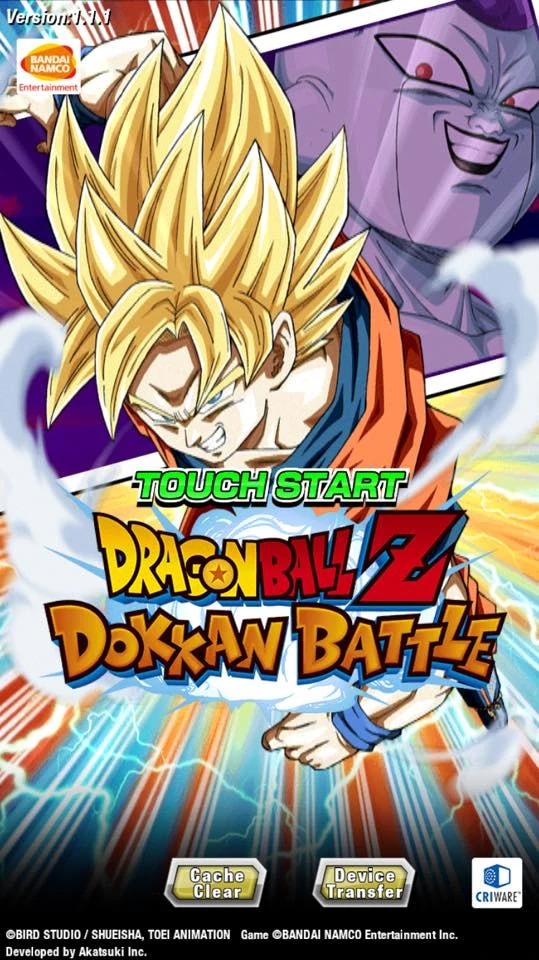
Dragon Ball Z: Dokkan Battle
GameDragon Ball Z: Dokkan Battle is a free-to-play mobile game by Bandai Namco based on Dragon Ball Z. It is a mix of board and puzzle game with manga-style story dialogue. It has been released for iOS and Android on July 16, 2015.
Gameplay
Dragon Ball Z: Dokkan Battle is a free-to-play mobile game for iOS and Android that combines board-game traversal with a puzzle-based combat system. Players build a team of six character cards and select a friend or guest card as a seventh fighter. During battle stages, Ki spheres appear on a circular board, and tapping spheres of matching colors charges attack power, activates combo chains, and triggers character-specific super attacks. The type system assigns each card an elemental class, and matching types against enemies produces bonus damage.
Outside of combat, players engage with a range of supplementary modes. Quest Mode serves as the primary story campaign, while Event Mode offers rotating content including story re-creations, item-farming stages, and Dokkan Events that reward awakening medals. The World Tournament pits player-assembled teams against AI-controlled rosters in a pseudo-competitive format with seasonal rankings. Later additions include the Explosive Chain Battle, a cooperative damage-race mode, and Pettan Battle, an idle format where character seals fight automatically for passive rewards. The game uses Dragon Stones as its premium summon currency, with additional resources obtainable through daily missions and event completion.
The summoning system allows players to recruit new character cards through Dragon Stone expenditure, Friend Points, or Tournament Tickets. Cards can be strengthened through awakening chains, Hidden Potential node unlocks, and skill orb upgrades. The Dokkan Awakening mechanic transforms high-rarity cards into more powerful variants using event-exclusive medals, forming the core long-term progression loop of the game.

Story
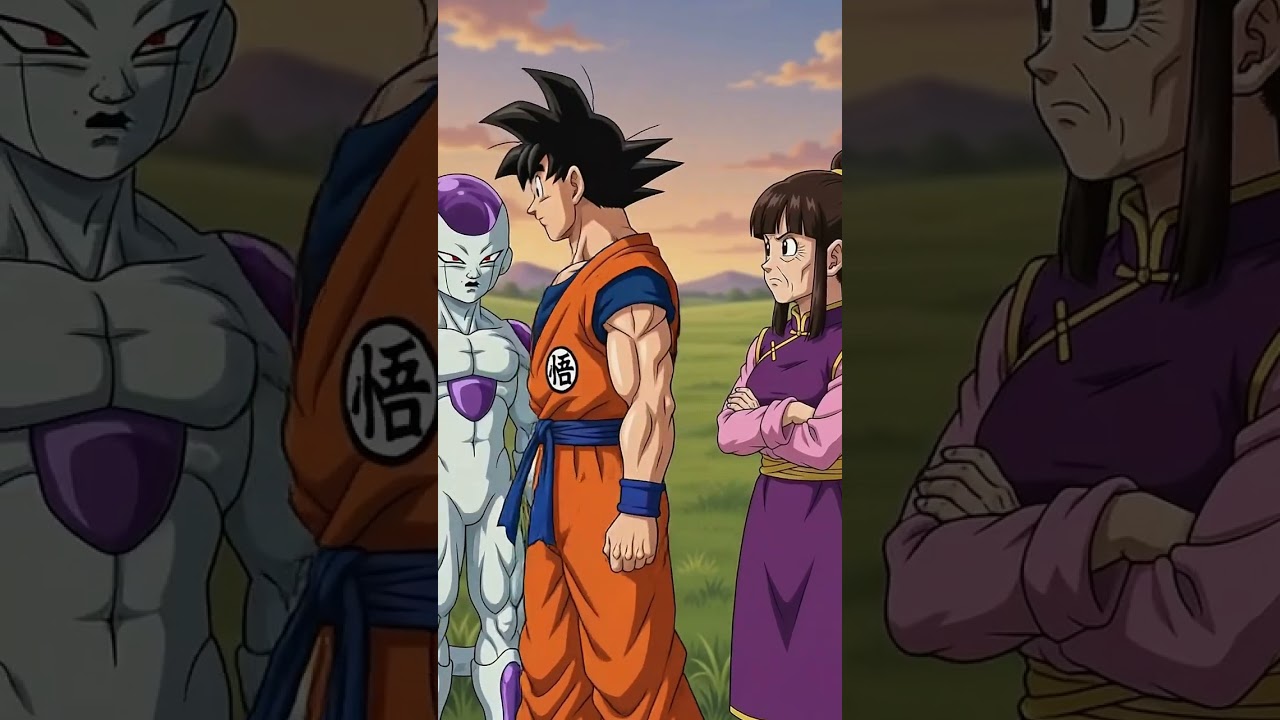
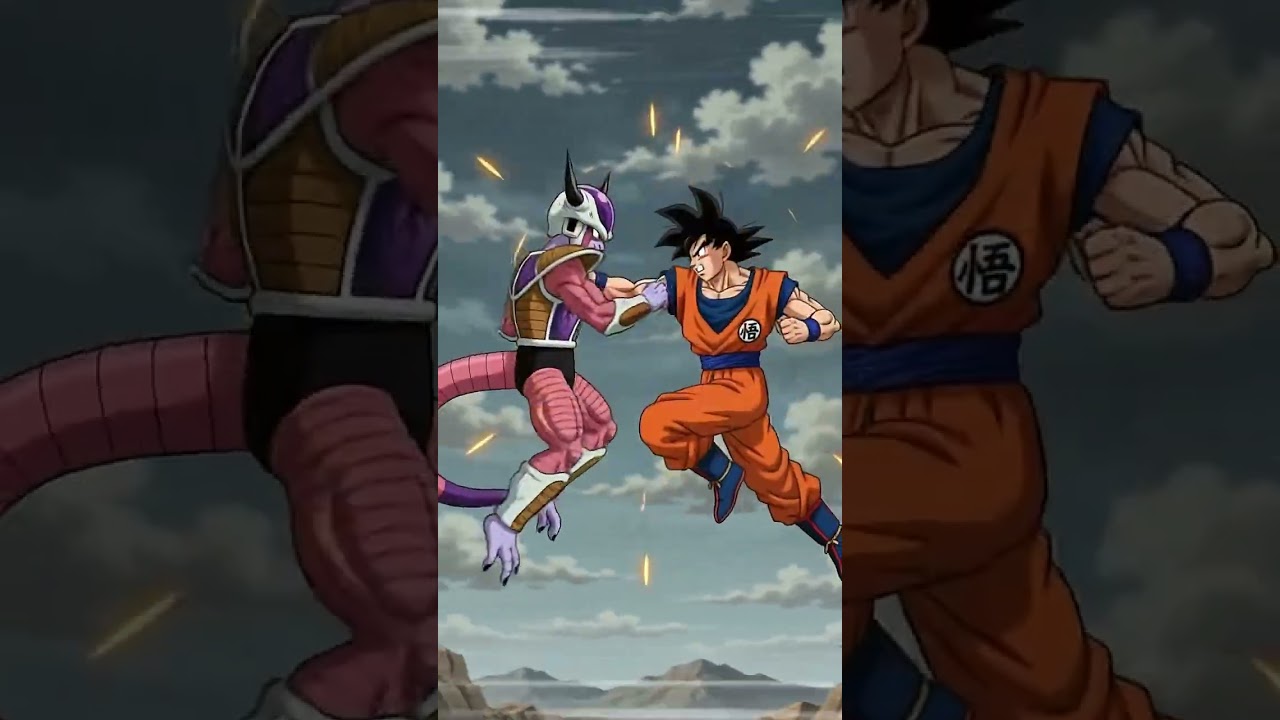
The narrative of Dokkan Battle begins when a mysterious wish to Shenron causes dimensional distortions that merge different time periods of the Dragon Ball universe. Future Trunks is contacted by King Kai and dispatched alongside a Time Patrol to investigate the anomaly. Their investigation leads them through a sequence of encounters set on an unidentified date, starting at the World Martial Arts Tournament and expanding as the dimensional rifts attract increasingly powerful evil presences.
Early investigation reveals that Mercenary Tao and Raditz are operating in the disrupted timeline, with Raditz seeking to recruit fighters of Saiyan heritage. Future Trunks eventually confronts Imperfect Cell, whose absorption-based power growth makes him a more dangerous threat than the initial targets. The story expands across additional arcs covering villains such as Frieza and Majin Buu, with each chapter presenting new dimensional anomalies that pull characters from various points in the Dragon Ball timeline into conflict.


Legacy
Released globally in 2015, Dokkan Battle became one of the most commercially successful Dragon Ball games ever produced, generating billions of dollars in lifetime revenue across its iOS and Android releases. Its gacha summoning model and regular limited-time events established a player retention structure that kept the game active for a decade. The title played a significant role in introducing the Dragon Ball franchise to mobile gaming audiences and demonstrated the viability of free-to-play design within the licensed anime game space.
Related Reading
See all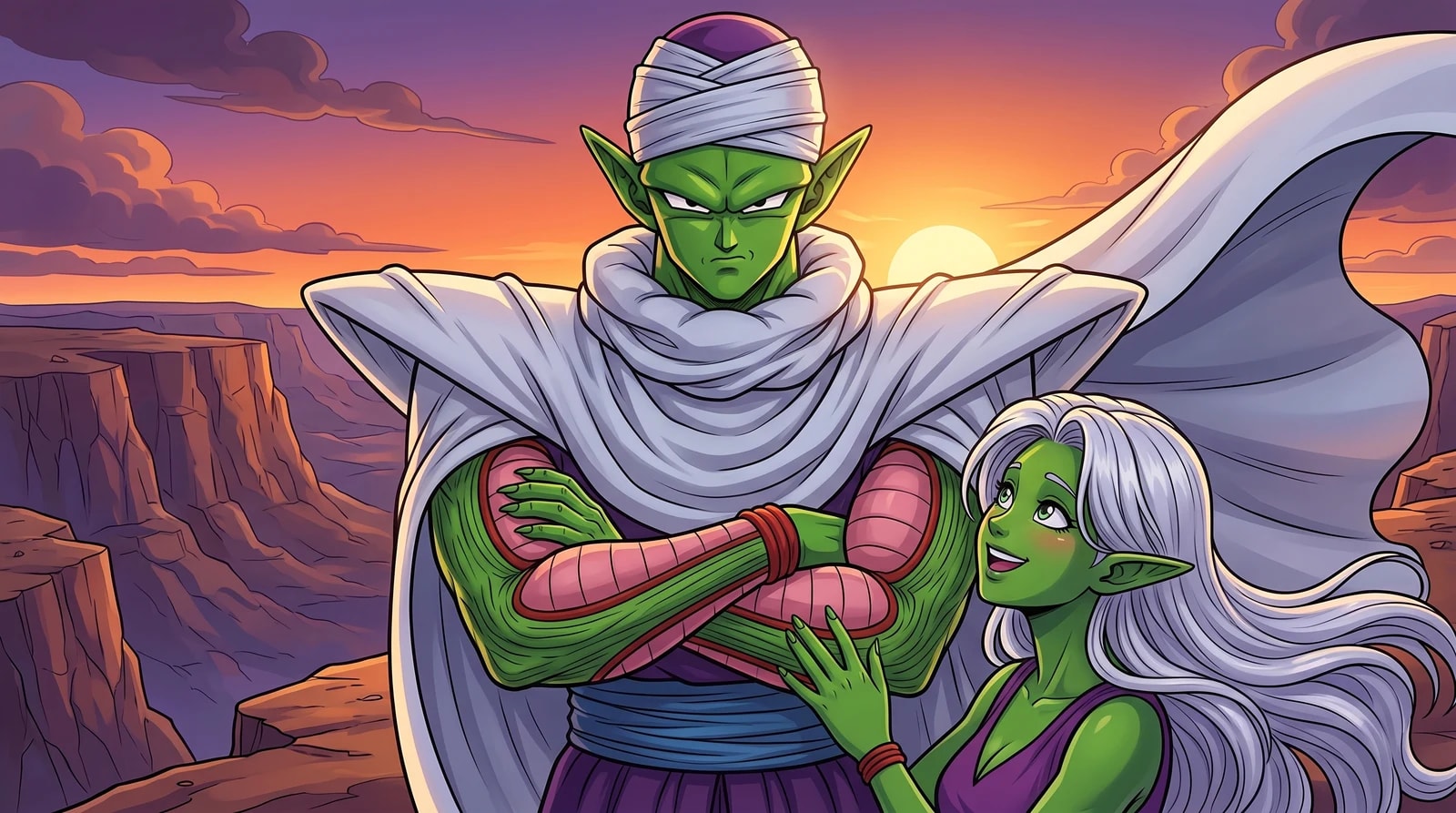
Piccolo Gets the Namek Hoes: Namek Has No Women, and He Pulls Anyway
There are no women on Namek. That isn't an oversight, it's the biology. Why we handed Piccolo the one thing his own species rules out, and why it had to be trap soul....
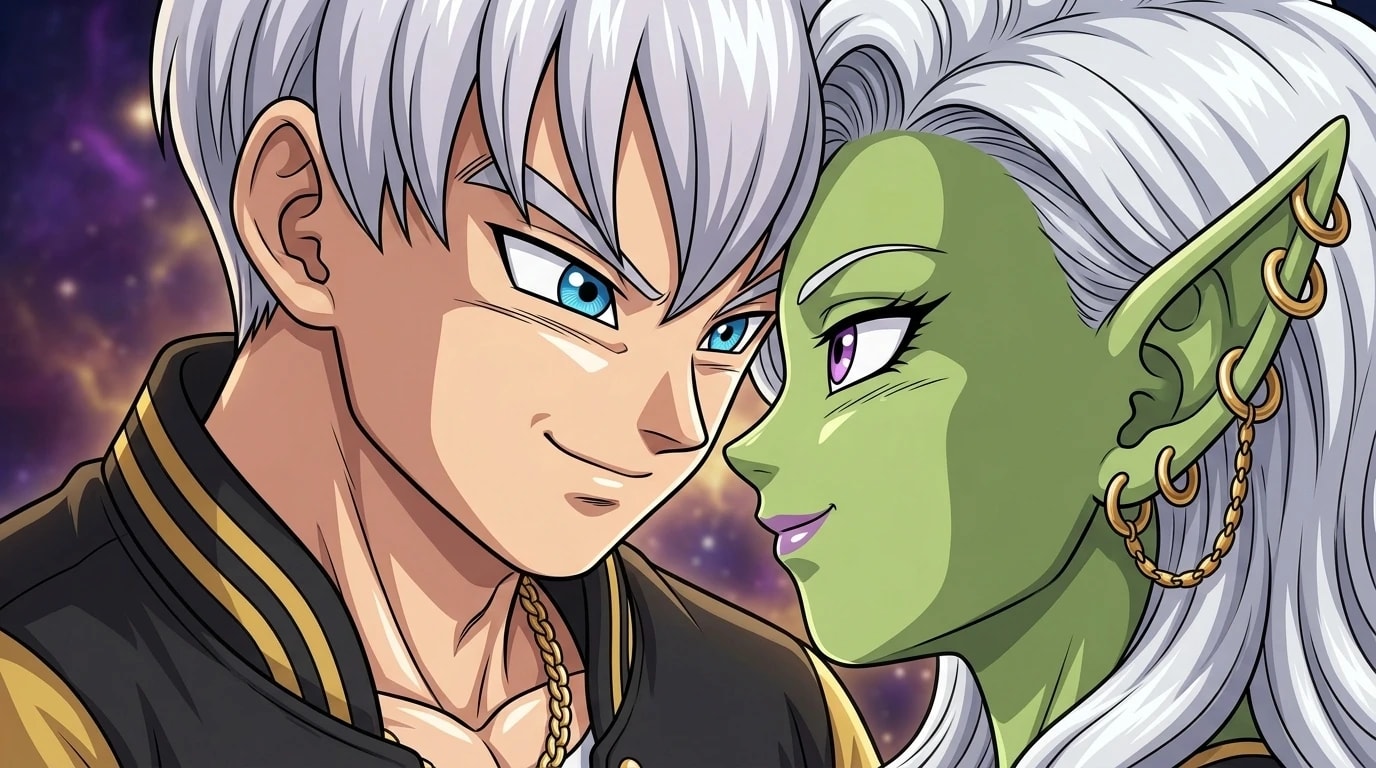
I'll Do You 1000 (Times): Who Is John Dragon Ball Saying That To?
Dragon Ball handed us a protagonist with no history and the internet named him John Dragon Ball. So we built him somebody to talk to....


Frequently Asked Questions
What is Dragon Ball Z: Dokkan Battle?
Dragon Ball Z: Dokkan Battle is a free-to-play mobile game by Bandai Namco based on Dragon Ball Z. It is a mix of board and puzzle game with manga-style story dialogue. It has been released for iOS and Android on July 16, 2015.
Which characters appear in Dragon Ball Z: Dokkan Battle?
The narrative of Dokkan Battle begins when a mysterious wish to Shenron causes dimensional distortions that merge different time periods of the Dragon Ball universe. Future Trunks is contacted by King Kai and dispatched alongside a Time Patrol to investigate the anomaly. Their investigation leads them through a sequence of encounters set on an unidentified date, starting at the World Martial Arts Tournament and expanding as the dimensional rifts attract increasingly powerful evil presences.
What is Dragon Ball Z: Dokkan Battle about?
Dragon Ball Z: Dokkan Battle is a free-to-play mobile game for iOS and Android that combines board-game traversal with a puzzle-based combat system. Players build a team of six character cards and select a friend or guest card as a seventh fighter. During battle stages, Ki spheres appear on a circular board, and tapping spheres of matching colors charges attack power, activates combo chains, and triggers character-specific super attacks.
When was Dragon Ball Z: Dokkan Battle released?
Dragon Ball Z: Dokkan Battle was released in 2015. It was developed by Akatsuki Inc. and published by Bandai Namco.
Who developed Dragon Ball Z: Dokkan Battle?
Dragon Ball Z: Dokkan Battle was developed by Akatsuki Inc.. The game was published by Bandai Namco in 2015.
Sources & Information
Looking for more on Dragon Ball Z: Dokkan Battle? The Dragon Ball Wiki on Fandom has a dedicated page with community notes.
View on FandomThis content is original writing by Daddy Jim Headquarters based on the Dragon Ball anime series, manga, and official materials. Episode and chapter references are cited where applicable.
Character and scene imagery on this site is original artwork by Daddy Jim Headquarters, not screenshots or licensed imagery. Official cover art is used on three types of pages for editorial commentary:
- Movie pages: theatrical posters and key visuals, credited to Toei Animation and Shueisha.
- Game pages: official box art, credited to Bandai Namco, Atari, and other publishers.
- Manga chapter pages: Jump Comics volume covers, credited to Shueisha and Akira Toriyama.
Browse our episode guides:
Official resources:
Help Us Keep This Wiki Accurate
Daddy Jim Headquarters maintains this encyclopedia. If you spot an error, a translation issue, or something that doesn't look right, let us know.