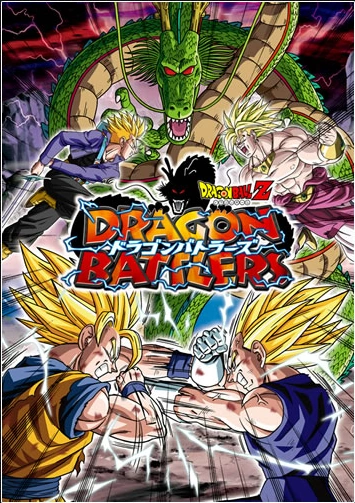
Dragon Ball Z: Dragon Battlers
GameDragon Ball Z: Dragon Battlers, renamed Dragon Ball Z Kai: Dragon Battlers when Dragon Ball Z Kai aired in Japan, is an arcade card-based fighting game developed by Dimps and released in June 2009. The game additionally had an English version, though only one set of cards was released.
Gameplay
Dragon Ball Z: Dragon Battlers is an arcade card-based fighting game developed by Dimps and released in June 2009. Players engage in combat by managing a deck of physical trading cards that correspond to the characters and techniques used during battles. The game features 61 playable characters drawn from the Dragon Ball Z roster, with visual presentation similar to that of Dragon Ball Z: Budokai 3 and Dragon Ball Z: Infinite World.
One of the game's central mechanics involves team attacks, allowing two fighters to combine their abilities in joint offensive maneuvers. Pairings such as Gotenks and Gogeta or Cell and Frieza produce unique combination assaults unavailable to either character individually. The roster was notable at the time of release for including Super Saiyan 3 Broly and Super Saiyan 3 Vegeta, both appearing as playable fighters for the first time in a video game. An English-language version of Dragon Battlers was produced, though only a single card set was distributed internationally before support ended.
When Dragon Ball Z Kai began airing in Japan, the game was rebranded as Dragon Ball Z Kai: Dragon Battlers to align with the updated broadcast of the series. The arcade cabinet format and card-scan integration placed Dragon Battlers within a tradition of physical-digital hybrid games common in Japanese arcade markets of the late 2000s.


Characters
Dragon Battlers fields one of the largest character rosters of any Dragon Ball game available at its time of release. The lineup spans characters from every major saga of Dragon Ball Z and Dragon Ball GT, including full transformation chains for key fighters. Goku is playable across base, Kaio-ken, Super Saiyan, Super Saiyan 2, and Super Saiyan 3 forms, while Vegeta gains access to Super Saiyan 3, a transformation absent from previous titles.
The roster includes fusion characters such as Gogeta, Vegito, and Gotenks in multiple forms, as well as GT-era fighters including Super Saiyan 4 variants. Villain representation covers the Frieza Force, the Red Ribbon Androids, Cell in multiple developmental stages, and the Majin Buu line. Notable inclusions extend to characters such as Arale, Obotchaman, and King Piccolo in both old and young forms, reflecting a broad approach to the Dragon Ball timeline beyond the Z era.

Legacy
Dragon Battlers holds historical significance as the first game to make Super Saiyan 3 Vegeta and Super Saiyan 3 Broly playable, establishing both transformations within the interactive Dragon Ball canon before they appeared in other game series. The team attack system introduced a cooperative combat dimension that distinguished it from standard one-on-one arcade fighters of its era. Its placement within the Dimps development catalog connects it to a lineage of Dragon Ball fighting games that defined the franchise on home consoles throughout the 2000s.
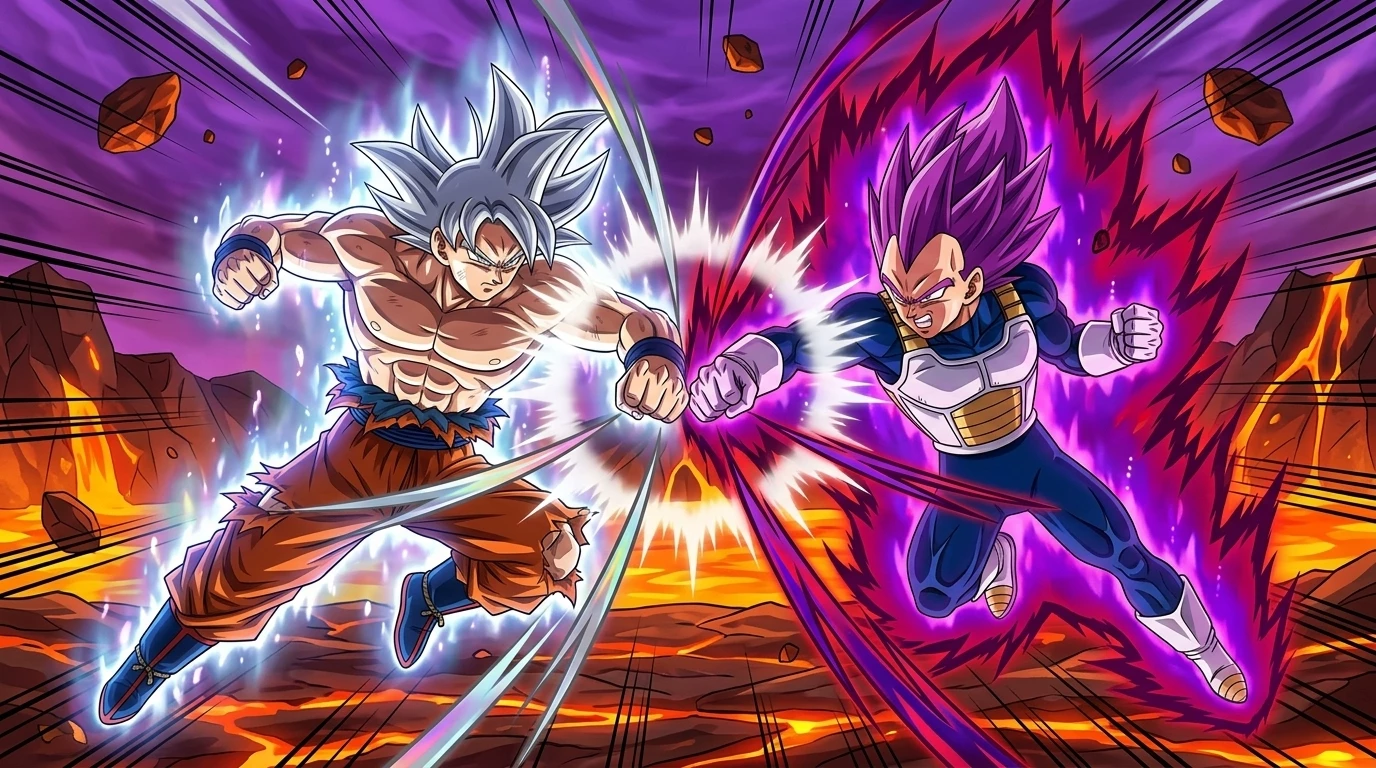
Sparking Zero May 26 Update Adds Demon World Stage and Reworks Transformation Healing
May 27, 2026Bandai Namco shipped a free Dragon Ball: Sparking Zero update on May 26, 2026 that introduces a new Demon World stage, overhauls transformation healing, and confirms the Daima Character Pack and Shallot DLC for release on June 27, 2026....
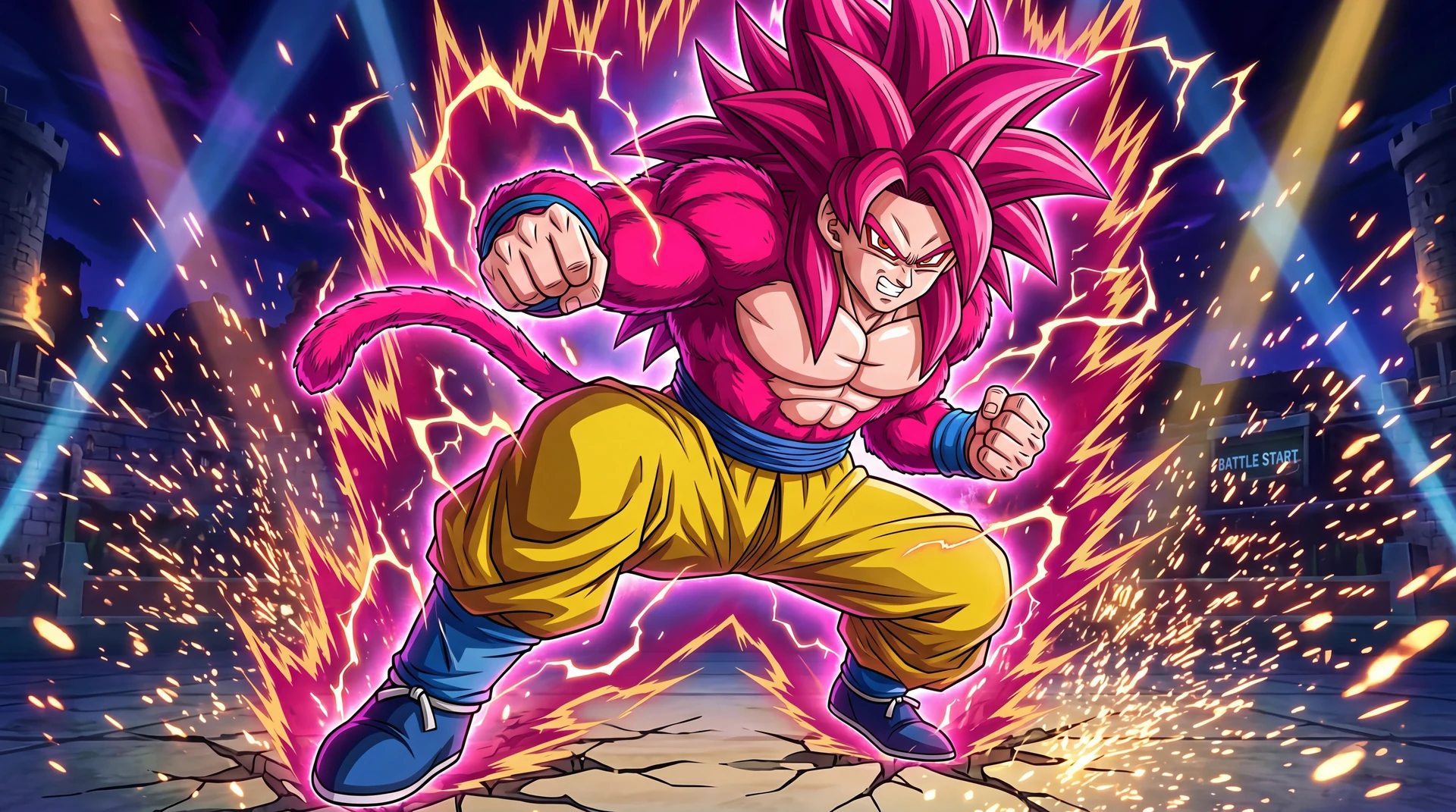
Dragon Ball FighterZ Adds Super Saiyan 4 Goku From Daima
May 25, 2026Dragon Ball FighterZ added Super Saiyan 4 Goku, the form featured in the Daima anime, as DLC on April 22, 2026. The 2018 fighting game is still getting new content nearly eight years on....
Dragon Ball Sparking Zero Super Limit-Breaking NEO DLC Adds 30 Plus Fighters for Summer 2026
Apr 20, 2026Bandai Namco and Spike Chunsoft unveiled the Super Limit-Breaking NEO expansion for Dragon Ball Sparking Zero at Battle Hour 2026. Summer 2026 release, 30 plus characters, four new stages, and a new solo mode....
Sources & Information
Looking for more on Dragon Ball Z: Dragon Battlers? The Dragon Ball Wiki on Fandom has a dedicated page with community notes.
View on FandomThis content is original writing by Daddy Jim Headquarters based on the Dragon Ball anime series, manga, and official materials. Episode and chapter references are cited where applicable.
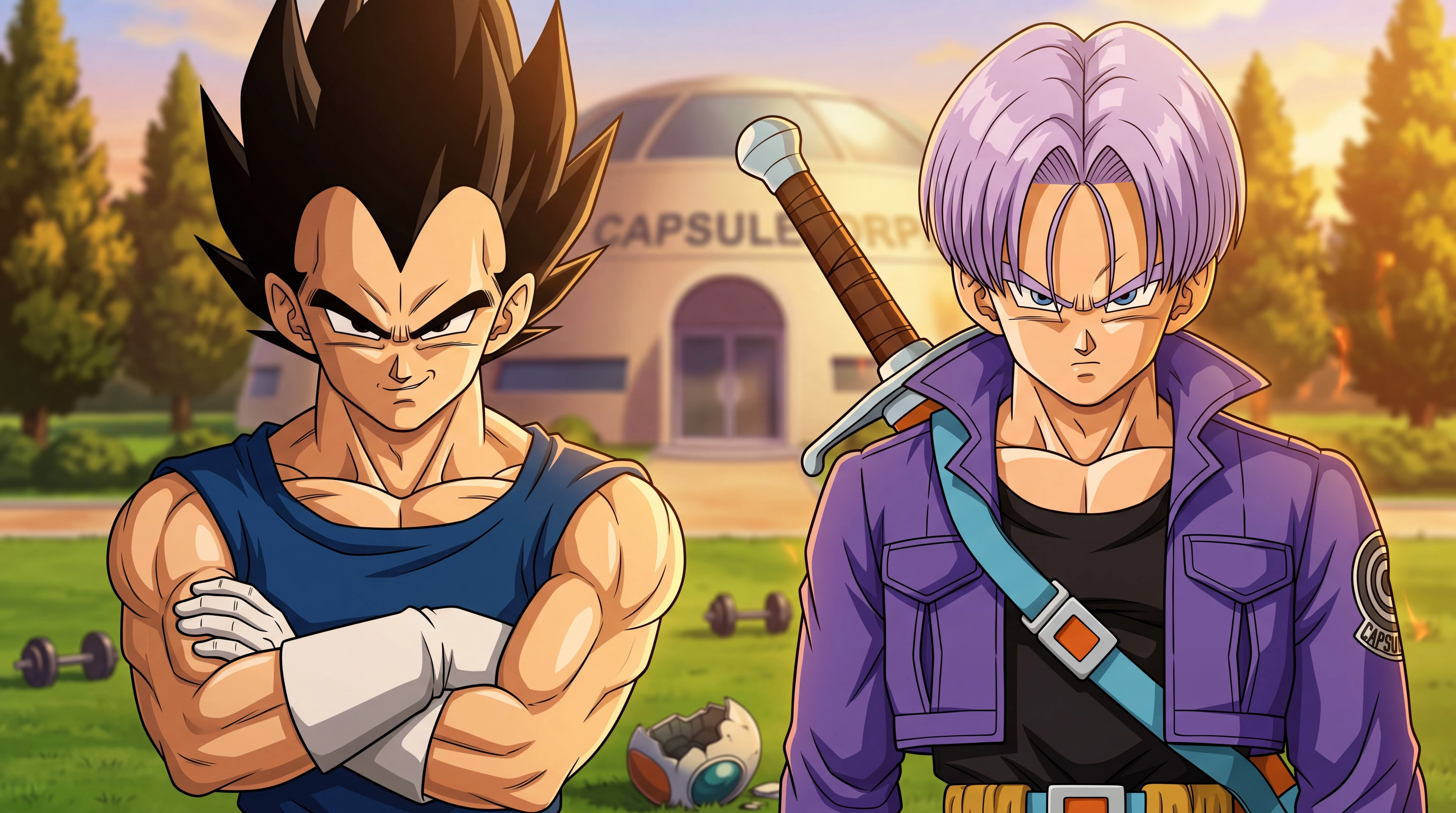
Character and scene imagery on this site is original artwork by Daddy Jim Headquarters, not screenshots or licensed imagery. Official cover art is used on three types of pages for editorial commentary:
- Movie pages: theatrical posters and key visuals, credited to Toei Animation and Shueisha.
- Game pages: official box art, credited to Bandai Namco, Atari, and other publishers.
- Manga chapter pages: Jump Comics volume covers, credited to Shueisha and Akira Toriyama.
Browse our episode guides:
Official resources:
Dragon Ball Music by Daddy Jim Headquarters
Come listen to some Dragon Ball R&B.
Help Us Keep This Wiki Accurate
Daddy Jim Headquarters maintains this encyclopedia across 13 languages. If you spot an error, a translation issue, or something that doesn't look right, let us know.