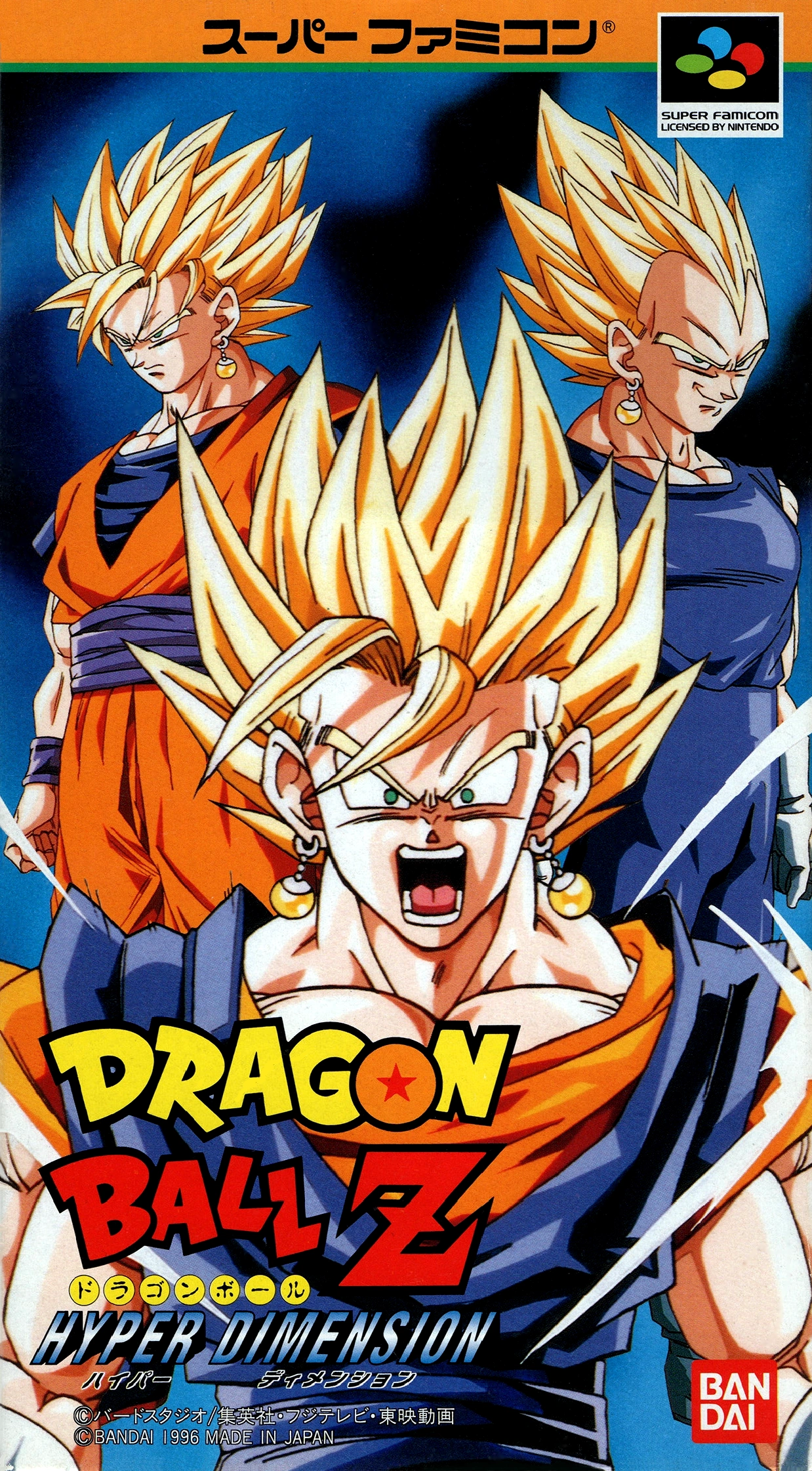
Dragon Ball Z: Hyper Dimension
GameDragon Ball Z: Hyper Dimension DIMENSION|Doragon Bōru Zetto Haipā Dimenshon}} is a Dragon Ball Z fighting game released for the Super Famicom in Japan on March 29, 1996, and the Super Famicom in Europe on February 1997. It was the last Dragon Ball Z game to be released for the console.
Gameplay
Dragon Ball Z: Hyper Dimension is a fighting game released for the Super Famicom in Japan on March 29, 1996, and in Europe in February 1997. It was developed as the final Dragon Ball Z title for the Super Famicom platform. The combat system uses a numeric life bar ranging from 1 to 999, which can be charged freely during a match. When a character's health falls below 80, they gain access to desperate moves that inflict significantly higher damage than standard attacks.
Fights take place across multi-tier stages that allow characters to knock opponents between environmental layers, adding a vertical dimension to the combat. The story mode does not follow a single player character from start to finish; instead, narrative focus shifts between fighters at different points in the plot. Some battles are designated as critical, requiring the use of a Senzu Bean credit to continue if lost, while others allow story progression regardless of outcome, with minor variations depending on the result. The game includes Versus, Tournament, and Practice modes in addition to the story campaign. Tournament Mode supports up to eight participants, accommodating a mix of human and computer-controlled players in a bracket format.
The playable roster consists of 11 fighters drawn from the Frieza Saga through the Kid Buu Saga, including Super Saiyan 2 Goku, Majin Vegeta, Super Saiyan 3 Gotenks, Ultimate Gohan, Super Vegito, Piccolo, Majin Buu, Kid Buu, Frieza in Final Form, and Perfect Cell.


Story
The story mode of Hyper Dimension covers events from the late Frieza Saga through the conclusion of the Kid Buu Saga. The narrative departs from strict anime accuracy in several places due to the limited roster. Notable deviations include Piccolo facing Frieza in his final form and Goku defeating Cell as a Super Saiyan 2 rather than Gohan taking that role. These alterations reflect the necessity of mapping canonical story beats onto a small cast of available fighters.
The Buu Saga section presents the conflict between Goku, Vegeta, and Majin Buu across a series of battles culminating in the final confrontation with Kid Buu. The story structure assigns different characters as the active perspective fighter at different moments, creating a narrative that moves between the roster rather than following one hero throughout. The French version of the game omits the Story Mode, though the associated background music tracks remain accessible in the sound test.

Legacy
As the last Dragon Ball Z game released for the Super Famicom, Hyper Dimension represented the peak technical achievement of the franchise on that hardware generation. Its multi-tier stage design and numeric life system distinguished it from the Butoden series that preceded it on the same platform. The European release extended the game's reach beyond Japan and demonstrated continued Western market interest in Dragon Ball fighting games during the mid-1990s. The title has since been recognized as among the most technically accomplished 2D fighters on the Super Famicom.
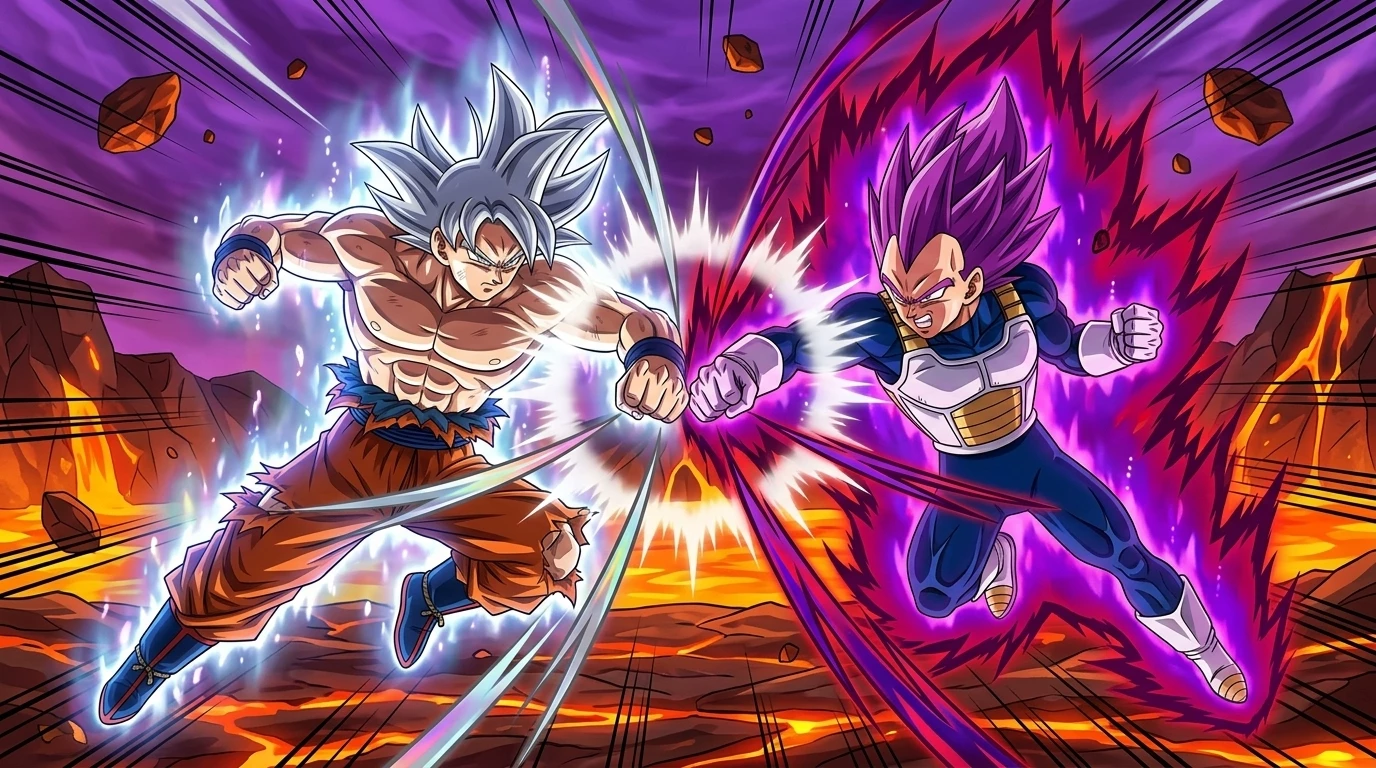
Sparking Zero May 26 Update Adds Demon World Stage and Reworks Transformation Healing
May 27, 2026Bandai Namco shipped a free Dragon Ball: Sparking Zero update on May 26, 2026 that introduces a new Demon World stage, overhauls transformation healing, and confirms the Daima Character Pack and Shallot DLC for release on June 27, 2026....
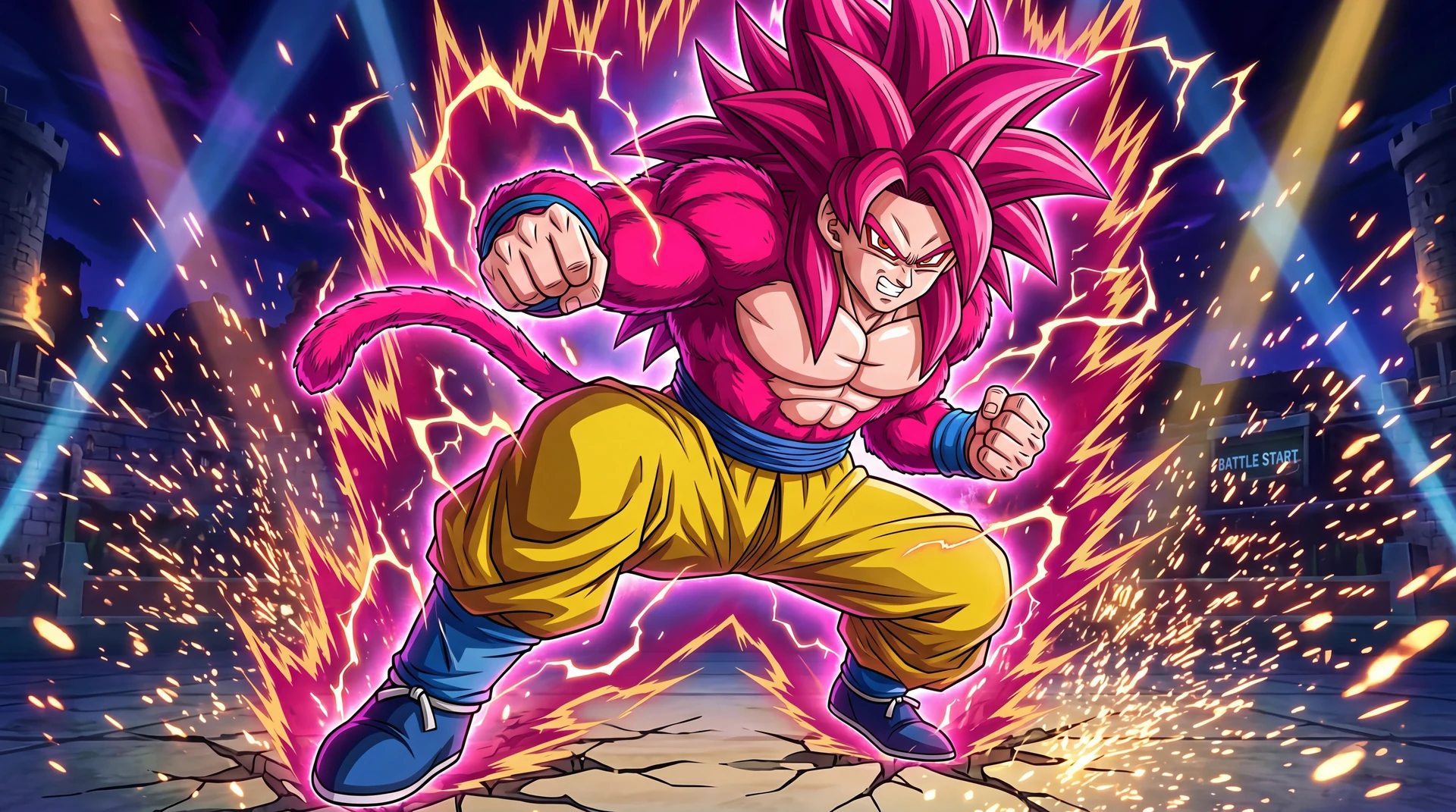
Dragon Ball FighterZ Adds Super Saiyan 4 Goku From Daima
May 25, 2026Dragon Ball FighterZ added Super Saiyan 4 Goku, the form featured in the Daima anime, as DLC on April 22, 2026. The 2018 fighting game is still getting new content nearly eight years on....
Dragon Ball Sparking Zero Super Limit-Breaking NEO DLC Adds 30 Plus Fighters for Summer 2026
Apr 20, 2026Bandai Namco and Spike Chunsoft unveiled the Super Limit-Breaking NEO expansion for Dragon Ball Sparking Zero at Battle Hour 2026. Summer 2026 release, 30 plus characters, four new stages, and a new solo mode....
Sources & Information
Looking for more on Dragon Ball Z: Hyper Dimension? The Dragon Ball Wiki on Fandom has a dedicated page with community notes.
View on FandomThis content is original writing by Daddy Jim Headquarters based on the Dragon Ball anime series, manga, and official materials. Episode and chapter references are cited where applicable.
Character and scene imagery on this site is original artwork by Daddy Jim Headquarters, not screenshots or licensed imagery. Official cover art is used on three types of pages for editorial commentary:
- Movie pages: theatrical posters and key visuals, credited to Toei Animation and Shueisha.
- Game pages: official box art, credited to Bandai Namco, Atari, and other publishers.
- Manga chapter pages: Jump Comics volume covers, credited to Shueisha and Akira Toriyama.
Browse our episode guides:
Official resources:
Dragon Ball Music by Daddy Jim Headquarters
Come listen to some Dragon Ball R&B.
Help Us Keep This Wiki Accurate
Daddy Jim Headquarters maintains this encyclopedia across 13 languages. If you spot an error, a translation issue, or something that doesn't look right, let us know.