Gameplay
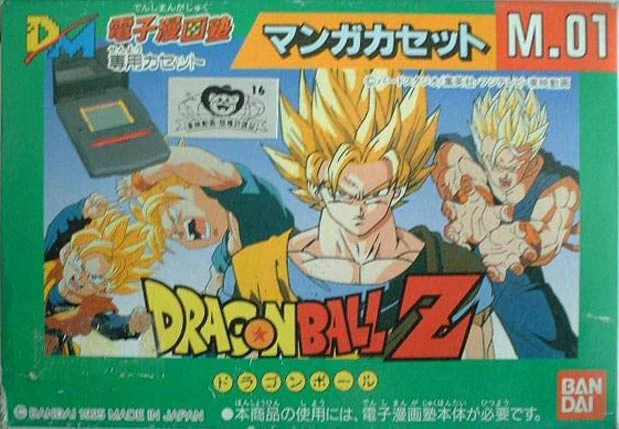
Dragon Ball Z: Manga Kasetto is a black-and-white fighting game released in 1995 for the Design Master Senshi Mangajukuu console, a handheld electronic toy system also known as the Denshi Manga console. Players use a stylus to interact with the game, making it a distinctly tactile experience unlike the button-based controls of contemporary Dragon Ball titles. The game operates in monochrome, reflecting the technical constraints of its unique hardware platform.
Combat in Manga Kasetto is driven entirely by stylus input, requiring players to draw or tap in response to on-screen prompts. The adventure mode centers on battles drawn from the Majin Buu Saga, asking players to guide their fighter through a series of confrontations using the stylus-based interface. The simplified control scheme makes the game accessible to younger audiences while still capturing the spirit of Dragon Ball Z combat.


Story and Content
The game's adventure mode follows the narrative arc of the Majin Buu Saga, the final major story arc of Dragon Ball Z. Players work through battles tied to the events of that saga, encountering characters and confrontations familiar to fans of the anime series. The handheld format condenses the epic storyline into a series of self-contained skirmishes appropriate for the hardware.
Manga Kasetto was developed and published by Bandai, who held the Dragon Ball licensing rights throughout the 1990s. A direct sequel, Dragon Ball Z: Taisen Kata Game Kasetto, was released the same year on the same console, expanding on the formula established by this title. The two games together represent the full Dragon Ball Z presence on the Design Master Senshi Mangajukuu platform.


Context and Legacy
Manga Kasetto occupies a curious niche in the Dragon Ball Z game library as one of the few titles released for an unconventional, Japan-exclusive handheld console. The Design Master Senshi Mangajukuu system targeted younger players with its stylus-driven format, and Bandai leveraged the Dragon Ball Z license to provide compelling content for the platform. The game stands as evidence of the franchise's remarkable range during the mid-1990s, when it appeared on platforms far beyond the mainstream console market.
Because the hardware it runs on remains rare and largely unknown outside Japan, Manga Kasetto is considered a collector's item today. It illustrates Bandai's strategy of saturating every viable market segment with Dragon Ball Z content during the height of the original anime's popularity.
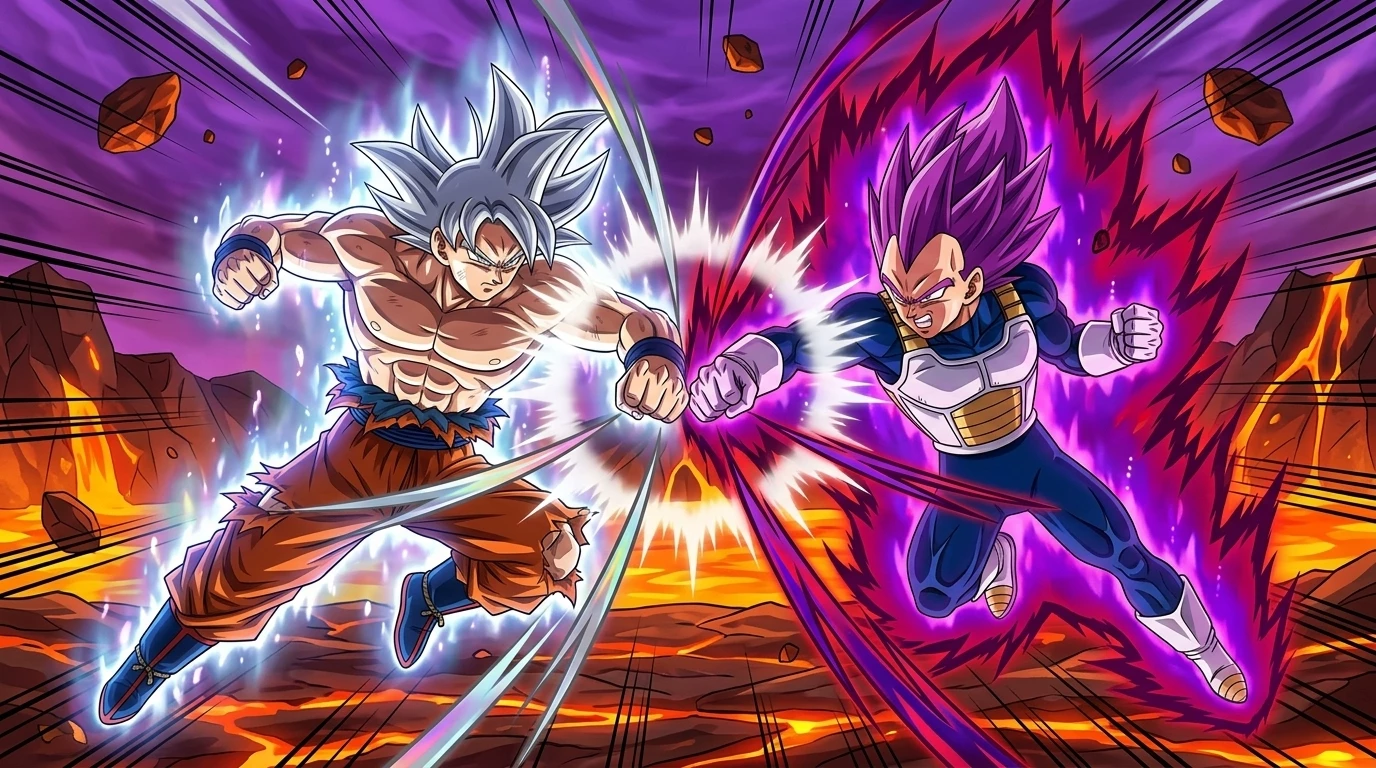
Sparking Zero May 26 Update Adds Demon World Stage and Reworks Transformation Healing
May 27, 2026Bandai Namco shipped a free Dragon Ball: Sparking Zero update on May 26, 2026 that introduces a new Demon World stage, overhauls transformation healing, and confirms the Daima Character Pack and Shallot DLC for release on June 27, 2026....
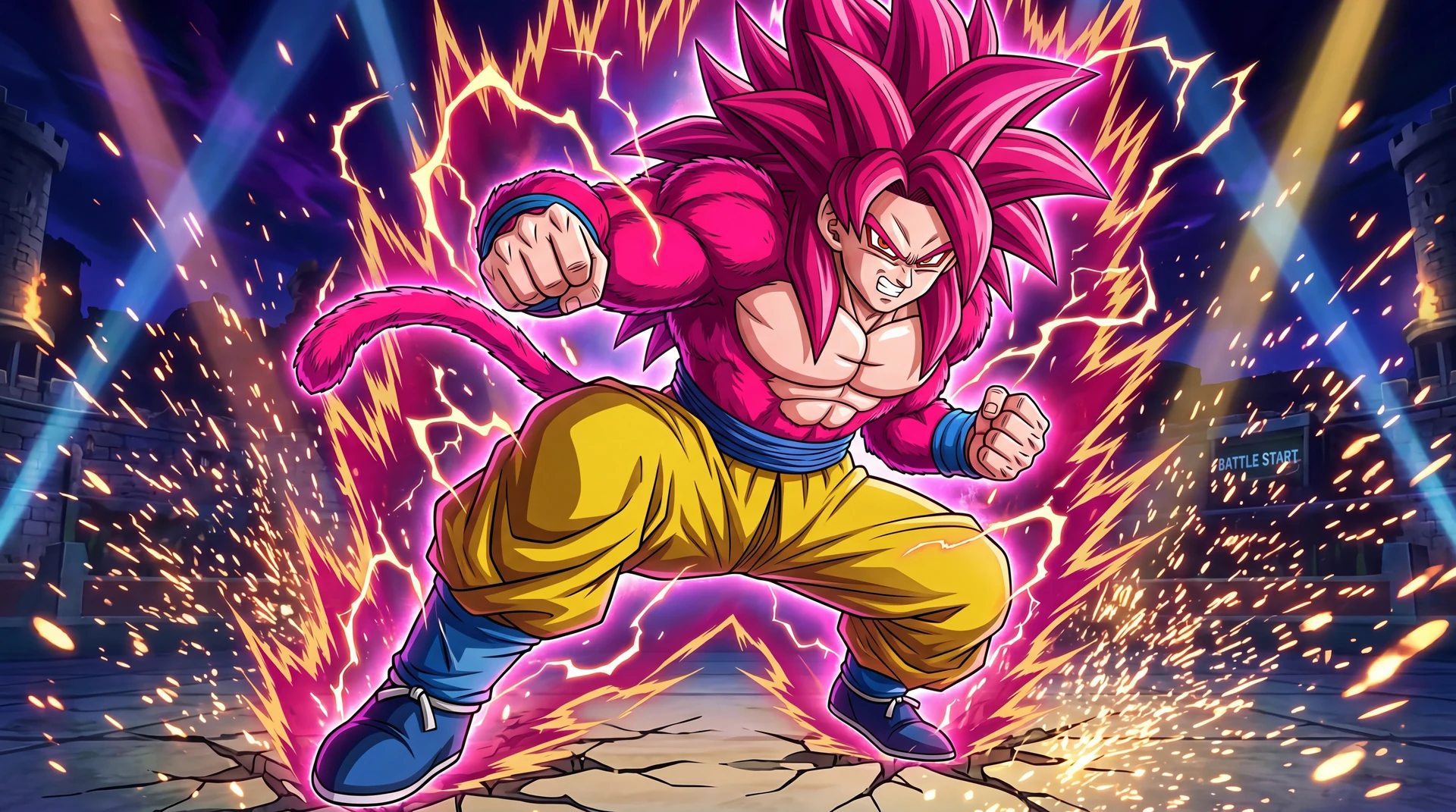
Dragon Ball FighterZ Adds Super Saiyan 4 Goku From Daima
May 25, 2026Dragon Ball FighterZ added Super Saiyan 4 Goku, the form featured in the Daima anime, as DLC on April 22, 2026. The 2018 fighting game is still getting new content nearly eight years on....
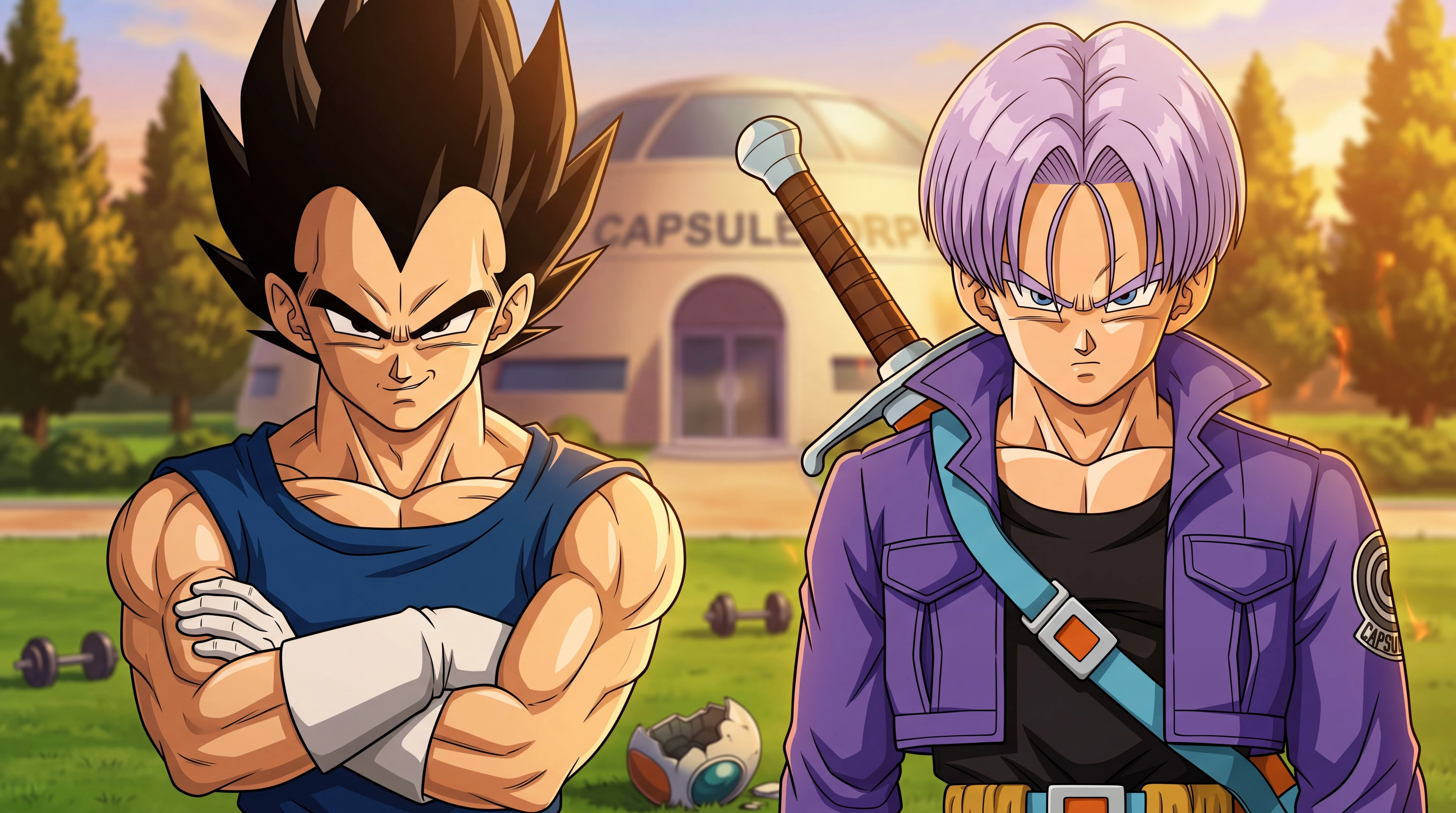
Dragon Ball Sparking Zero Super Limit-Breaking NEO DLC Adds 30 Plus Fighters for Summer 2026
Apr 20, 2026Bandai Namco and Spike Chunsoft unveiled the Super Limit-Breaking NEO expansion for Dragon Ball Sparking Zero at Battle Hour 2026. Summer 2026 release, 30 plus characters, four new stages, and a new solo mode....
Sources & Information
Looking for more on Dragon Ball Z: Manga Kasetto? The Dragon Ball Wiki on Fandom has a dedicated page with community notes.
View on FandomThis content is original writing by Daddy Jim Headquarters based on the Dragon Ball anime series, manga, and official materials. Episode and chapter references are cited where applicable.
Character and scene imagery on this site is original artwork by Daddy Jim Headquarters, not screenshots or licensed imagery. Official cover art is used on three types of pages for editorial commentary:
- Movie pages: theatrical posters and key visuals, credited to Toei Animation and Shueisha.
- Game pages: official box art, credited to Bandai Namco, Atari, and other publishers.
- Manga chapter pages: Jump Comics volume covers, credited to Shueisha and Akira Toriyama.
Browse our episode guides:
Official resources:
Dragon Ball Music by Daddy Jim Headquarters
Come listen to some Dragon Ball R&B.
Help Us Keep This Wiki Accurate
Daddy Jim Headquarters maintains this encyclopedia across 13 languages. If you spot an error, a translation issue, or something that doesn't look right, let us know.