Gameplay
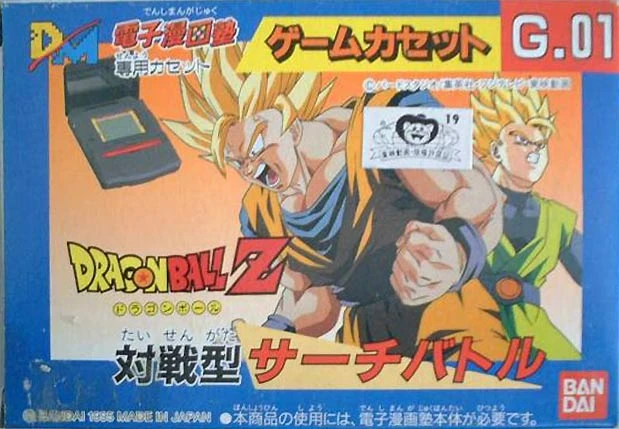
Dragon Ball Z: Taisen Kata Game Kasetto is a black-and-white fighting game designed for use with the Design Master Senshi Mangajuku console, also known as the Denshi Manga console. Gameplay is controlled with a stylus, which players use to interact with the monochrome display to execute attacks and navigate the game's combat scenarios. The stylus-based input method is unusual among Dragon Ball Z titles and reflects the unconventional hardware it was built around.
The game functions as a sequel to Dragon Ball Z: Manga Kasetto, released the same year for the same platform. An adventure mode set during the Majin Buu Saga forms the narrative backbone of the experience, continuing the storyline threads established in its predecessor. As a product built around a niche Japanese console with limited international distribution, its mechanics were never replicated or widely documented outside of its home market.


Setting and Story
The adventure mode of Taisen Kata Game Kasetto takes place during the Majin Buu Saga, one of the concluding arcs of Dragon Ball Z. This arc follows Goku, Gohan, Vegeta, and their allies as they contend with the awakening and escalating transformations of the magical being Majin Buu. By situating its narrative in this climactic saga, the game engages players already familiar with the high-stakes conflicts and ensemble cast of the anime's final story arc.
As a direct sequel to Manga Kasetto, the game assumes player familiarity with earlier events and continues to use the stylus-driven presentation format of its predecessor. Both games were published by Bandai in 1995, making them products of a specific mid-decade period when Bandai was actively exploring alternative hardware formats for Dragon Ball Z game licenses in Japan.


Historical Context
Taisen Kata Game Kasetto was developed and published by Bandai in 1995 exclusively for the Japanese market, on a console platform that never achieved mainstream adoption. The Design Master Senshi Mangajuku hardware was a niche product, and the games produced for it occupy a peripheral position in Dragon Ball Z gaming history. Their reliance on a stylus and black-and-white display placed them firmly outside the conventions of the era's mainstream fighting game market.
The game's significance lies primarily in its status as part of Bandai's early 1990s experimentation with non-traditional Dragon Ball Z game formats, predating the PlayStation era titles that would define the franchise's gaming identity. Alongside its companion release Manga Kasetto, it represents one of the more obscure entries in the Dragon Ball Z licensed game catalog.
Sparking Zero May 26 Update Adds Demon World Stage and Reworks Transformation Healing
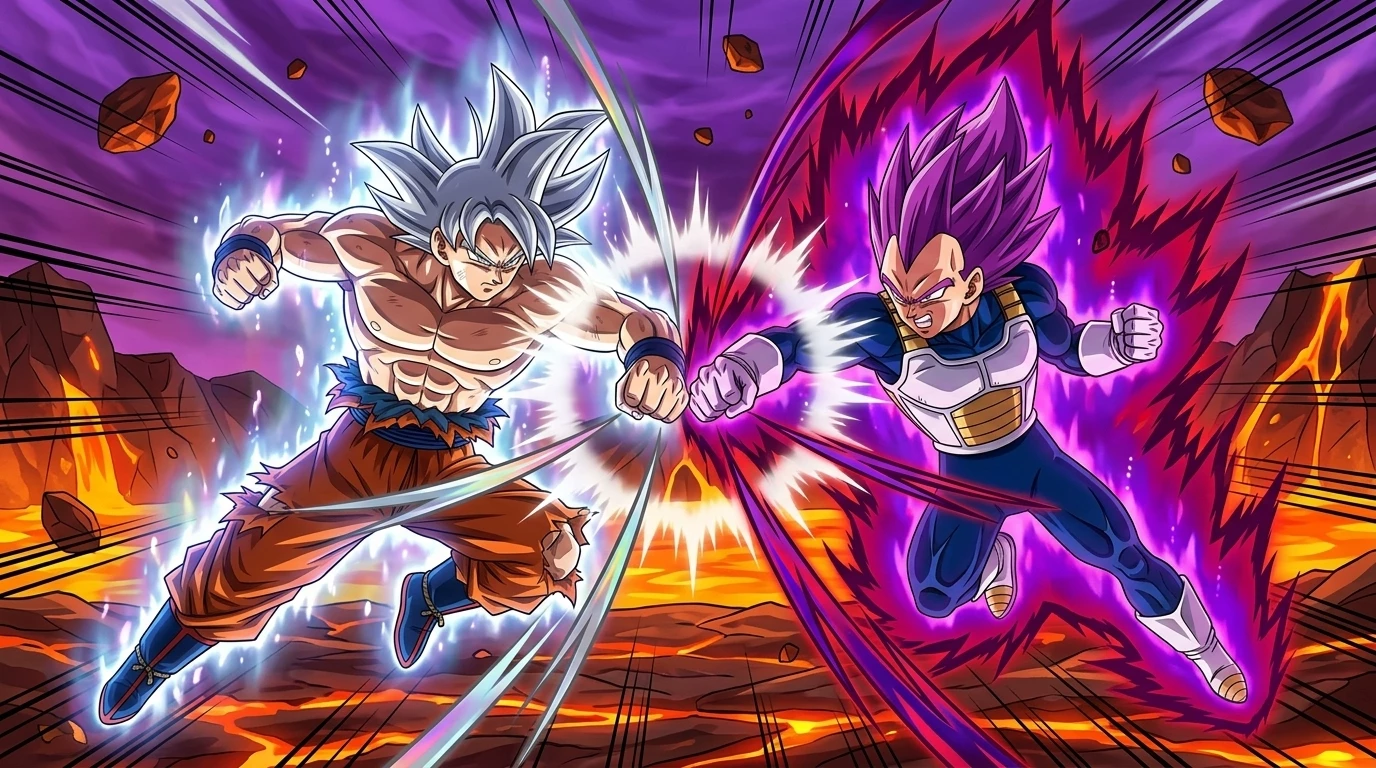
May 27, 2026Bandai Namco shipped a free Dragon Ball: Sparking Zero update on May 26, 2026 that introduces a new Demon World stage, overhauls transformation healing, and confirms the Daima Character Pack and Shallot DLC for release on June 27, 2026....
Dragon Ball FighterZ Adds Super Saiyan 4 Goku From Daima
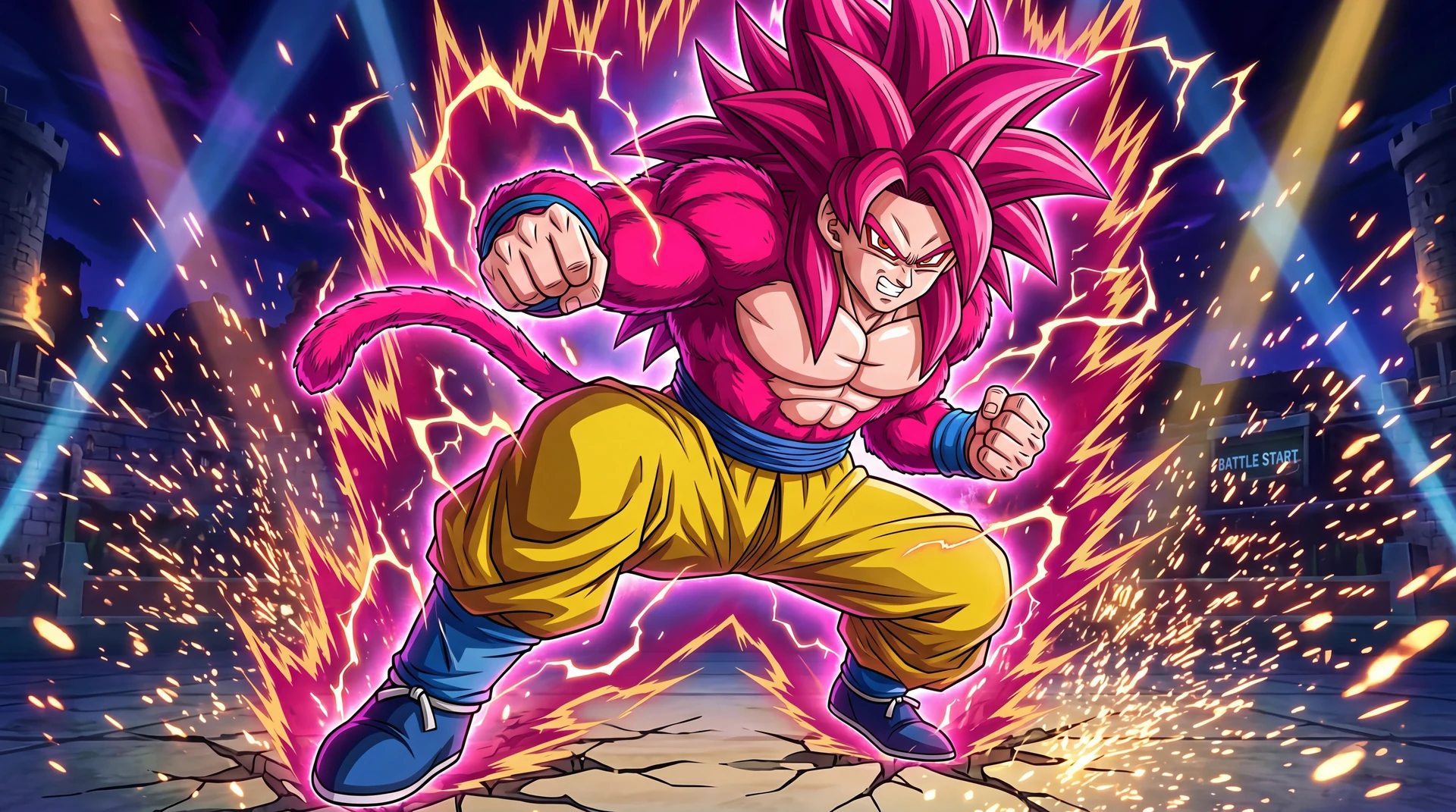
May 25, 2026Dragon Ball FighterZ added Super Saiyan 4 Goku, the form featured in the Daima anime, as DLC on April 22, 2026. The 2018 fighting game is still getting new content nearly eight years on....

Dragon Ball Sparking Zero Super Limit-Breaking NEO DLC Adds 30 Plus Fighters for Summer 2026
Apr 20, 2026Bandai Namco and Spike Chunsoft unveiled the Super Limit-Breaking NEO expansion for Dragon Ball Sparking Zero at Battle Hour 2026. Summer 2026 release, 30 plus characters, four new stages, and a new solo mode....
Sources & Information
Looking for more on Dragon Ball Z: Taisen Kata Game Kasetto? The Dragon Ball Wiki on Fandom has a dedicated page with community notes.
View on FandomThis content is original writing by Daddy Jim Headquarters based on the Dragon Ball anime series, manga, and official materials. Episode and chapter references are cited where applicable.
Character and scene imagery on this site is original artwork by Daddy Jim Headquarters, not screenshots or licensed imagery. Official cover art is used on three types of pages for editorial commentary:
- Movie pages: theatrical posters and key visuals, credited to Toei Animation and Shueisha.
- Game pages: official box art, credited to Bandai Namco, Atari, and other publishers.
- Manga chapter pages: Jump Comics volume covers, credited to Shueisha and Akira Toriyama.
Browse our episode guides:
Official resources:
Dragon Ball Music by Daddy Jim Headquarters
Come listen to some Dragon Ball R&B.
Help Us Keep This Wiki Accurate
Daddy Jim Headquarters maintains this encyclopedia across 13 languages. If you spot an error, a translation issue, or something that doesn't look right, let us know.