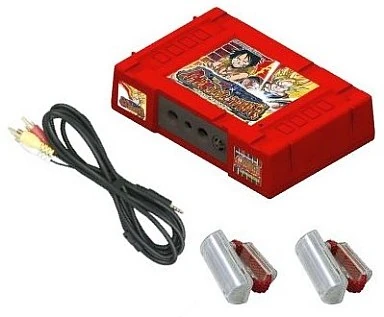
Dragon Ball Z × One Piece: Battle Taikan Gomu Gomu no Kamehameha - Omee no Koe de Ora o Yobu
GameDragon Ball Z × One Piece: Batoru Taikan Gomu-Gomu no Kamehameha - Omee no Koe de Ora wo Yobu is a Let's! TV Play video game based on Dragon Ball Z and One Piece.
Gameplay
Dragon Ball Z x One Piece: Battle Taikan Gomu Gomu no Kamehameha is a motion-based action game in the Let's! TV Play line, a series of interactive toys that use a camera peripheral to track player movement. The system requires players to physically act out attacks in front of their television, translating real body motion into in-game actions. This design bridges the gap between a traditional video game and a physical activity, making it especially appealing to younger players.
Battles draw from both the Dragon Ball Z and One Piece universes, allowing players to fight as characters from either series. Computer-controlled partners can assist the player during battles and missions, reducing the difficulty for solo play. Villains from both franchises appear as enemies, including Great Ape Vegeta who serves as a boss encounter, representing one of Vegeta's most iconic and fearsome transformations from Dragon Ball Z.
The game was developed by Bandai to celebrate the fortieth anniversary of Shonen Jump magazine, the weekly publication that serialized both Dragon Ball and One Piece. The milestone release gave the crossover special meaning as a tribute to two of the magazine's most successful properties sharing a single interactive experience.


Content and Characters
The roster draws from the full casts of both Dragon Ball Z and One Piece, giving players access to heroes and villains from two separate and beloved manga universes. The inclusion of characters from both series required Bandai to adapt different fighting styles into a single coherent motion-control framework, unifying the energy-blast combat of Dragon Ball Z with the rubber-powered techniques of One Piece's protagonist Luffy.
The game's crossover premise was a novelty for fans of both series, offering a chance to see characters from two distinct narrative worlds interact within a shared space. Story missions place fighters from each franchise in cooperative scenarios, letting players team up against enemies that threaten both worlds. The Shonen Jump anniversary framing gives the content additional context as a celebration of manga culture rather than a standalone sequel or spinoff.

Context and Legacy
The Let's! TV Play hardware that powers Battle Taikan Gomu Gomu no Kamehameha was an early consumer effort to bring motion-sensing gameplay to home television sets, predating the mainstream adoption of motion controls by Nintendo's Wii console. Bandai used the platform extensively for Dragon Ball Z tie-ins, and this title extended that strategy by incorporating a second major franchise in recognition of Shonen Jump's anniversary.
The game exists as a notable cultural artifact that marks the intersection of two of the most commercially successful manga properties of their era. While it was only released in Japan, its crossover design and anniversary context make it a memorable entry in both the Dragon Ball Z and One Piece game histories.
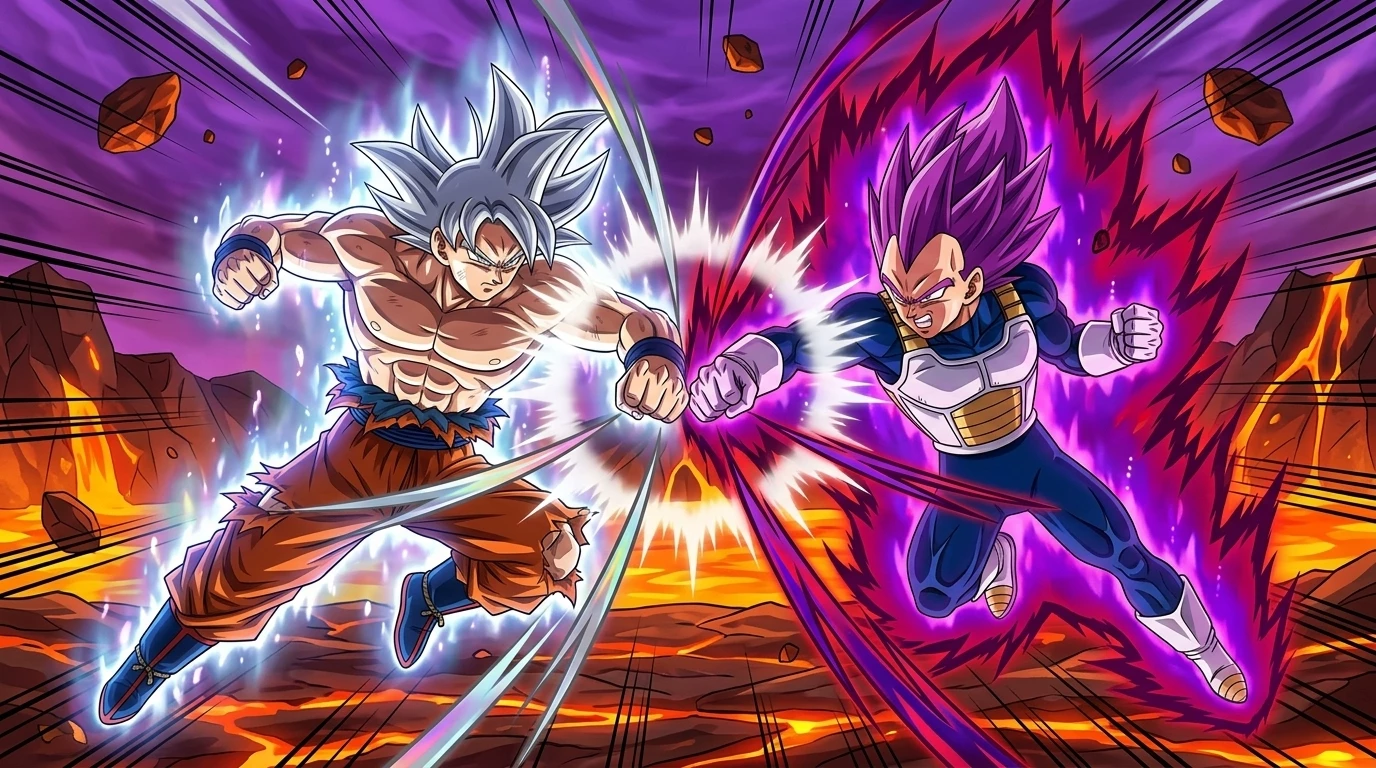
Sparking Zero May 26 Update Adds Demon World Stage and Reworks Transformation Healing
May 27, 2026Bandai Namco shipped a free Dragon Ball: Sparking Zero update on May 26, 2026 that introduces a new Demon World stage, overhauls transformation healing, and confirms the Daima Character Pack and Shallot DLC for release on June 27, 2026....
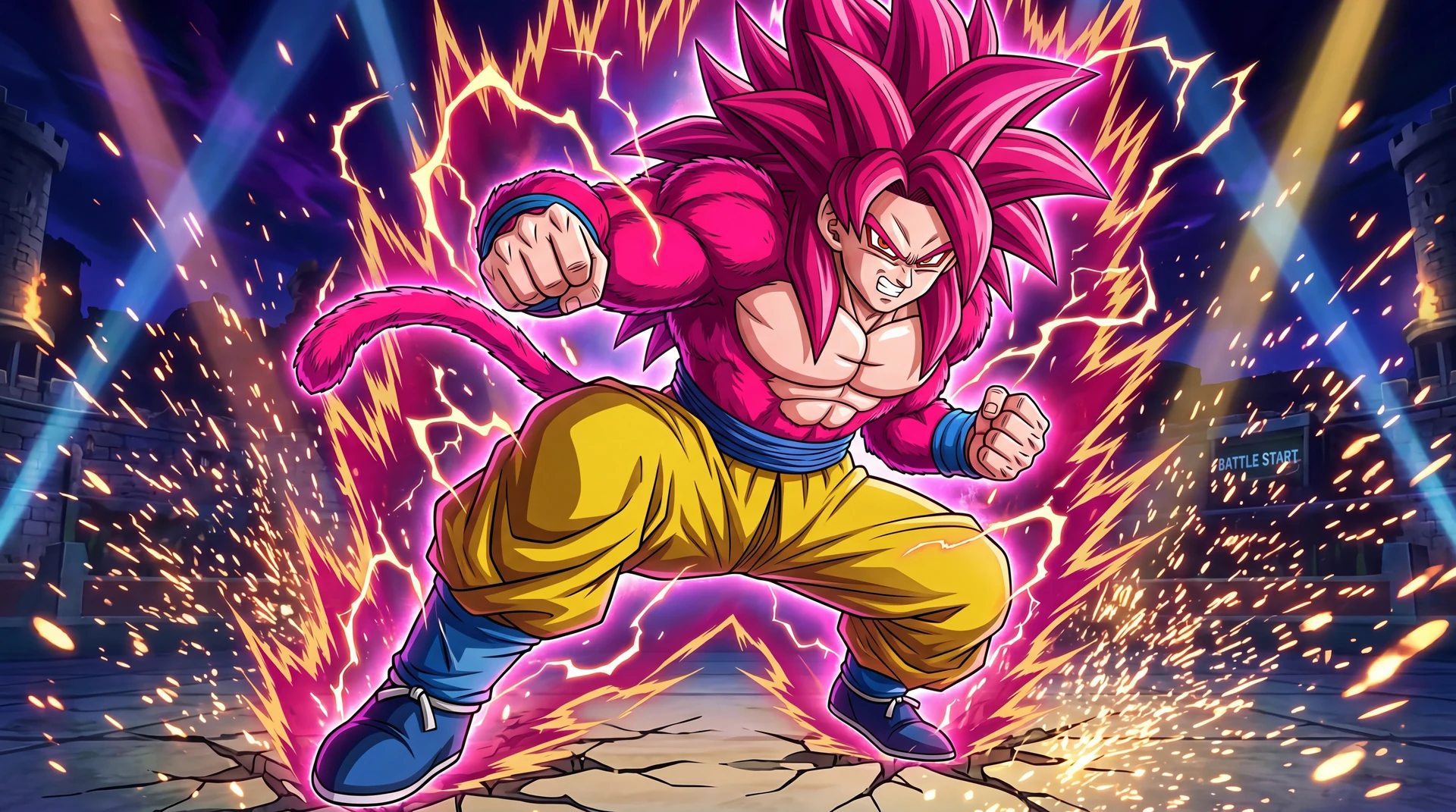
Dragon Ball FighterZ Adds Super Saiyan 4 Goku From Daima
May 25, 2026Dragon Ball FighterZ added Super Saiyan 4 Goku, the form featured in the Daima anime, as DLC on April 22, 2026. The 2018 fighting game is still getting new content nearly eight years on....
Dragon Ball Sparking Zero Super Limit-Breaking NEO DLC Adds 30 Plus Fighters for Summer 2026
Apr 20, 2026Bandai Namco and Spike Chunsoft unveiled the Super Limit-Breaking NEO expansion for Dragon Ball Sparking Zero at Battle Hour 2026. Summer 2026 release, 30 plus characters, four new stages, and a new solo mode....
Sources & Information
Looking for more on Dragon Ball Z × One Piece: Battle Taikan Gomu Gomu no Kamehameha - Omee no Koe de Ora o Yobu? The Dragon Ball Wiki on Fandom has a dedicated page with community notes.
View on FandomThis content is original writing by Daddy Jim Headquarters based on the Dragon Ball anime series, manga, and official materials. Episode and chapter references are cited where applicable.
Character and scene imagery on this site is original artwork by Daddy Jim Headquarters, not screenshots or licensed imagery. Official cover art is used on three types of pages for editorial commentary:
- Movie pages: theatrical posters and key visuals, credited to Toei Animation and Shueisha.
- Game pages: official box art, credited to Bandai Namco, Atari, and other publishers.
- Manga chapter pages: Jump Comics volume covers, credited to Shueisha and Akira Toriyama.
Browse our episode guides:
Official resources:
Dragon Ball Music by Daddy Jim Headquarters
Come listen to some Dragon Ball R&B.
Help Us Keep This Wiki Accurate
Daddy Jim Headquarters maintains this encyclopedia across 13 languages. If you spot an error, a translation issue, or something that doesn't look right, let us know.