Gameplay
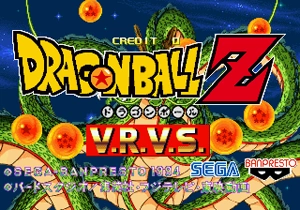
Dragon Ball Z: V.R.V.S. is a 2D arcade fighting game that uses behind-the-character camera positioning to create the impression of a three-dimensional arena. The game is controlled with a joystick and three buttons, and a deluxe cabinet variant incorporates motion sensors that allow the player to physically move their body to influence the in-game character. This motion control feature was a notable hardware novelty for its time, designed to heighten the immersive quality of the arcade experience.
Gameplay proceeds in a fixed sequence: the player selects one of five fighters and faces the entire roster one by one, earning a Dragon Ball with each victory. After four consecutive wins, the fifth opponent is a black-and-white copy of the player's own character that mimics their fighting style exactly. Once this doppelganger is defeated, it reveals itself as the final boss, an original character named Majin Ozotto. Defeating Ozotto earns the seventh Dragon Ball and triggers a character-specific wish ending. The game is set during the nine-day waiting period before the Cell Games, as indicated by the characters' Cell Saga appearances.


Characters and Endings
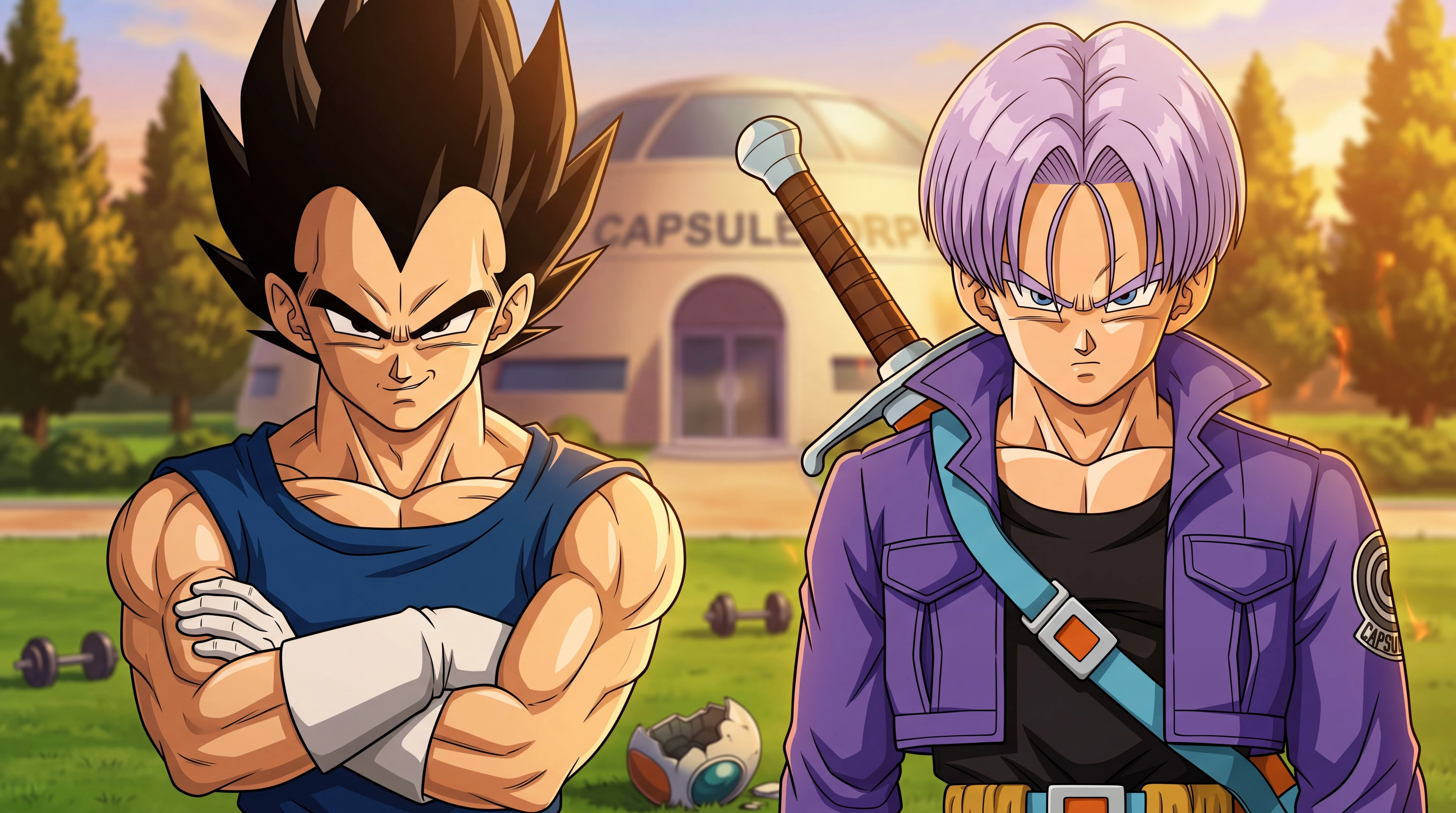
V.R.V.S. features five playable fighters: Super Saiyan Goku, Piccolo, Super Saiyan Vegeta, Super Saiyan Gohan, and Super Saiyan Future Trunks. Each character comes with a dedicated battle arena, ranging from Goku's cloud-covered sky stage to Piccolo's North Pole battleground and Trunks' orange-cloud arena. The final boss Ozotto fights on two distinct stages: first using a copied form of the player's character on a sea stage, then in his true alien form on an alien green planet landscape.
After defeating Ozotto, each character receives a unique wish granted by Shenron. Goku wishes for food. Gohan asks his mother to forget about his studies for a while so he can play with Icarus. Vegeta wishes for the world beneath his feet, which Shenron misinterprets by making Vegeta a giant. Piccolo wishes to fight the strongest person in the world and is paired against Mr. Satan. Future Trunks wishes for his father to be revived in his own timeline, a poignant callback to his backstory from the anime.

Release and Significance
V.R.V.S. was developed and released by Sega and Banpresto in 1994 for the Sega System 32 arcade platform. As an arcade exclusive, it was never ported to home consoles, limiting its accessibility to players with access to the specific cabinet. The Sega System 32 hardware was a high-end arcade board for its era, capable of scaling and rotating sprites in ways that contributed to the game's pseudo-3D visual style.
The original character Majin Ozotto, created for this game, remains a notable piece of Dragon Ball Z game history as one of the few wholly new villains introduced exclusively through a licensed game. His design and story role as a shapeshifting final boss with personal wish fulfillment as the victory reward gives the game a narrative hook that distinguishes it from straightforward roster-vs-roster fighters of the same period. The motion-control deluxe cabinet version stands as an early example of physical interaction mechanics in arcade games.
Sparking Zero May 26 Update Adds Demon World Stage and Reworks Transformation Healing
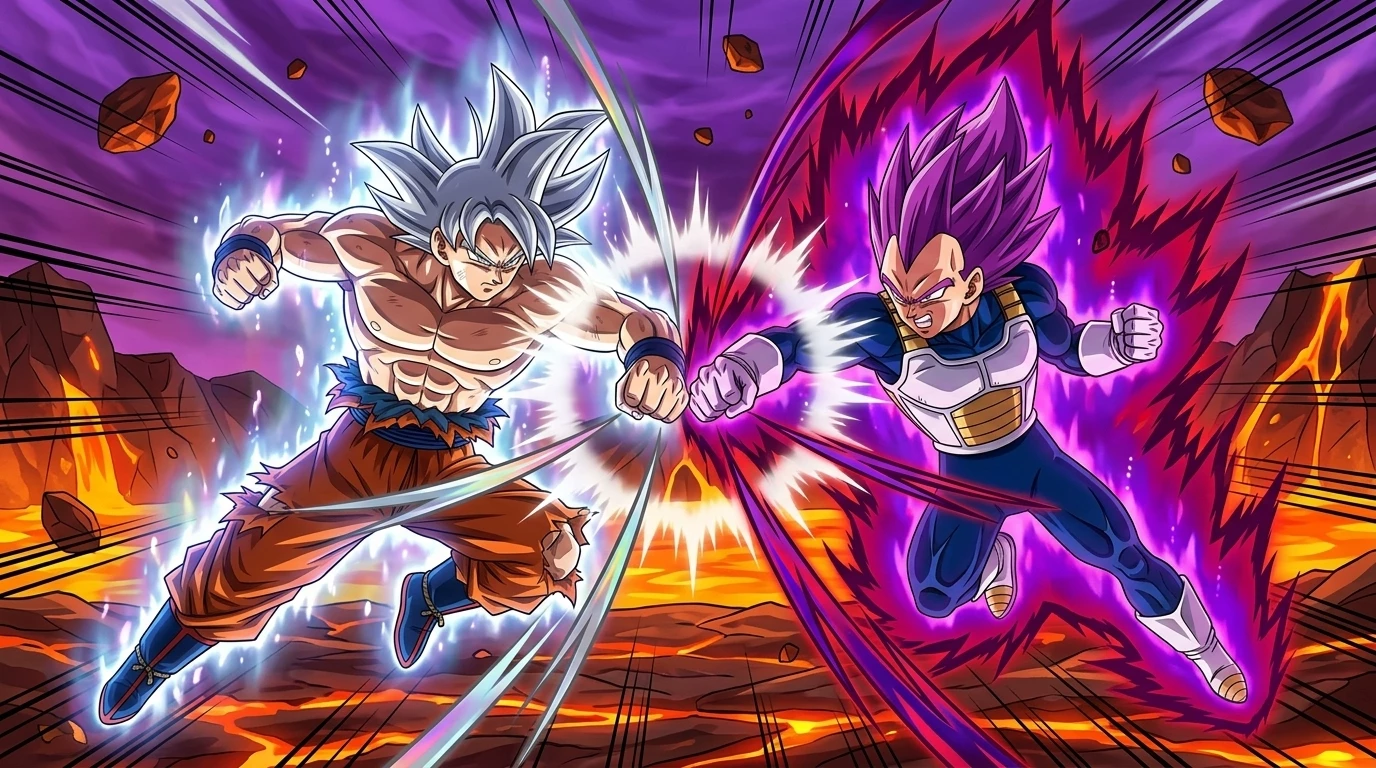
May 27, 2026Bandai Namco shipped a free Dragon Ball: Sparking Zero update on May 26, 2026 that introduces a new Demon World stage, overhauls transformation healing, and confirms the Daima Character Pack and Shallot DLC for release on June 27, 2026....
Dragon Ball FighterZ Adds Super Saiyan 4 Goku From Daima
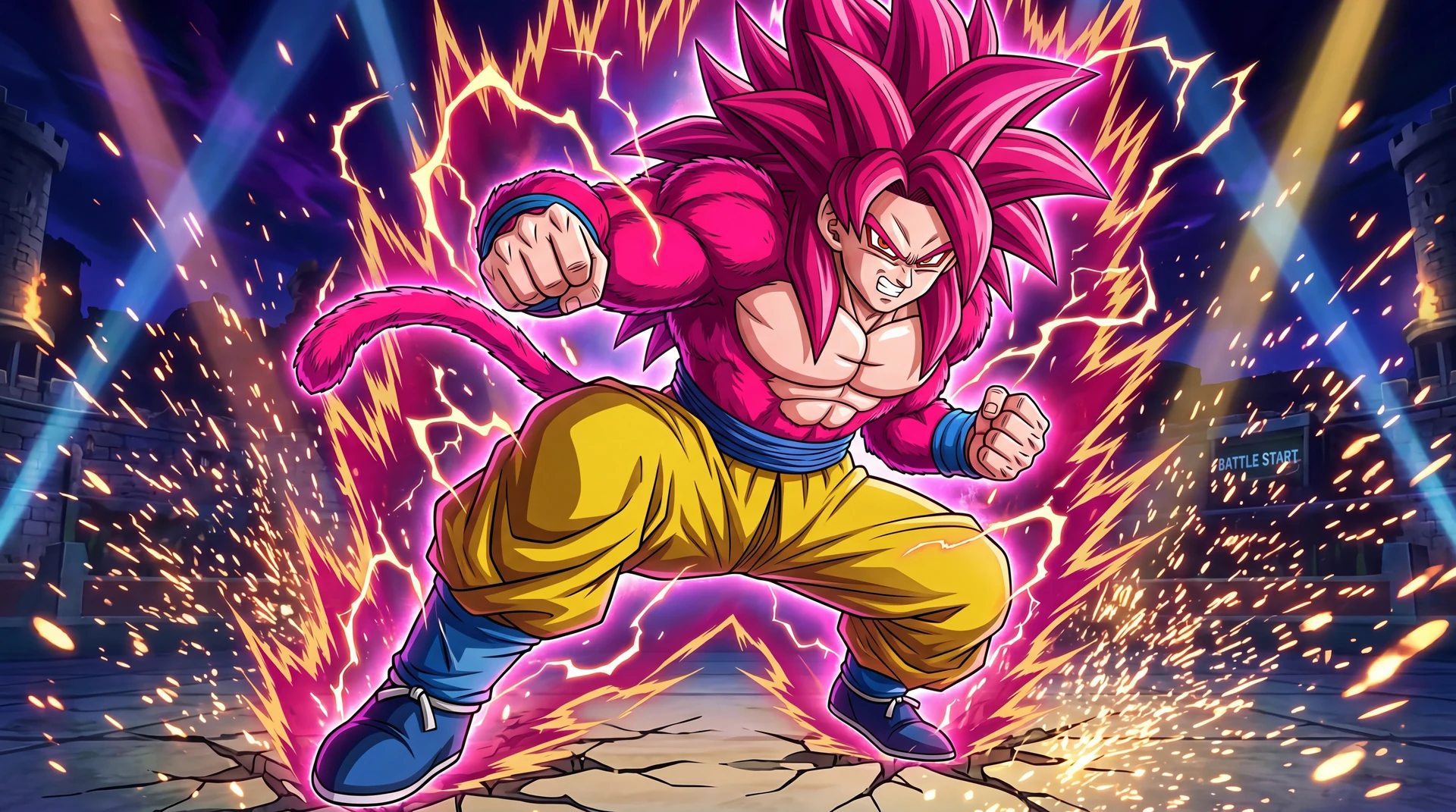
May 25, 2026Dragon Ball FighterZ added Super Saiyan 4 Goku, the form featured in the Daima anime, as DLC on April 22, 2026. The 2018 fighting game is still getting new content nearly eight years on....
Dragon Ball Sparking Zero Super Limit-Breaking NEO DLC Adds 30 Plus Fighters for Summer 2026
Apr 20, 2026Bandai Namco and Spike Chunsoft unveiled the Super Limit-Breaking NEO expansion for Dragon Ball Sparking Zero at Battle Hour 2026. Summer 2026 release, 30 plus characters, four new stages, and a new solo mode....
Sources & Information
Looking for more on Dragon Ball Z: V.R.V.S.? The Dragon Ball Wiki on Fandom has a dedicated page with community notes.
View on FandomThis content is original writing by Daddy Jim Headquarters based on the Dragon Ball anime series, manga, and official materials. Episode and chapter references are cited where applicable.
Character and scene imagery on this site is original artwork by Daddy Jim Headquarters, not screenshots or licensed imagery. Official cover art is used on three types of pages for editorial commentary:
- Movie pages: theatrical posters and key visuals, credited to Toei Animation and Shueisha.
- Game pages: official box art, credited to Bandai Namco, Atari, and other publishers.
- Manga chapter pages: Jump Comics volume covers, credited to Shueisha and Akira Toriyama.
Browse our episode guides:
Official resources:
Dragon Ball Music by Daddy Jim Headquarters
Come listen to some Dragon Ball R&B.
Help Us Keep This Wiki Accurate
Daddy Jim Headquarters maintains this encyclopedia across 13 languages. If you spot an error, a translation issue, or something that doesn't look right, let us know.