Gameplay
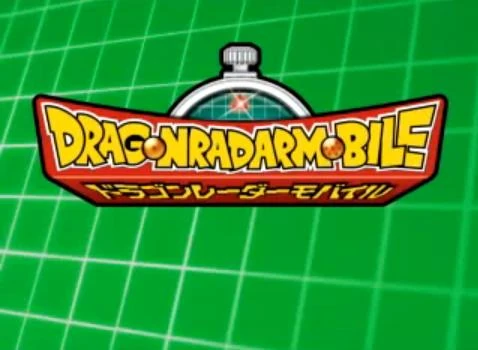
Dragonradar Mobile is a handheld LCD game produced by Bandai and released exclusively in Japan in January 2007. The device is shaped to replicate the Dragon Radar from the Dragon Ball series and comes in two color variants, sold under the names Dragonradar Mobile: White and Dragonradar Mobile: Orange. The physical form factor is central to its identity as a novelty item, blending collectible merchandise with interactive gameplay in a package aimed at fans of the franchise.
The game offers two distinct play modes: a battle game and a search game. Both modes use the device's built-in motion detection capabilities rather than traditional button inputs. An accelerometer reads the player's hand movement and uses the force of shaking to determine attack strength in battle scenarios. This mechanic makes the physicality of play a key component, rewarding more forceful gestures with stronger in-game results.
A two-player mode is supported through an infrared sensor built into the device. The sensor detects nearby Dragonradar Mobile units, allowing players to compete head-to-head by connecting their devices wirelessly. This local multiplayer option extends the game's replay value beyond solo modes, making it a social experience among players who own the same hardware. The combination of motion controls, infrared connectivity, and franchise-faithful design made it an appealing novelty for Dragon Ball fans in Japan.


Design and Concept
The Dragonradar Mobile is as much a collectible object as it is a game. Its design faithfully mimics the Dragon Radar that Bulma invents in the Dragon Ball series, the handheld device used to locate the seven Dragon Balls scattered across the world. By housing actual gameplay inside a replica prop, Bandai blurred the line between interactive toy and franchise merchandise, appealing to collectors and younger fans equally. The dual color options gave buyers a choice that mirrored common retail variations for Japan-market merchandise of the era.
The two game modes reinforce the Dragon Ball theme. The search game evokes the core premise of hunting for Dragon Balls, while the battle game channels the series' emphasis on physical combat and power levels. Though the mechanics are simple by any measure, they are designed to feel thematically appropriate rather than technically ambitious. The device was not intended to compete with dedicated handheld gaming hardware but rather to serve as an interactive extension of Dragon Ball fandom.


Context and Legacy
The Dragonradar Mobile occupies a niche corner of Dragon Ball gaming history as one of the more unusual hardware concepts to carry the franchise's name. Released during the mid-2000s resurgence of Dragon Ball Z merchandise in Japan, it reflects a period when Bandai was actively experimenting with interactive collectibles alongside its mainline video game output. The Japan-exclusive release kept its footprint small, limiting awareness outside of dedicated import collectors.
As a piece of Dragon Ball memorabilia, it remains notable for its commitment to prop authenticity and its use of motion and infrared technology, both of which were relatively uncommon in small LCD toys of its time. It stands as a curiosity in the franchise catalog, representing the creative range of Dragon Ball products beyond conventional console and arcade releases.
Sparking Zero May 26 Update Adds Demon World Stage and Reworks Transformation Healing
May 27, 2026Bandai Namco shipped a free Dragon Ball: Sparking Zero update on May 26, 2026 that introduces a new Demon World stage, overhauls transformation healing, and confirms the Daima Character Pack and Shallot DLC for release on June 27, 2026....
Dragon Ball FighterZ Adds Super Saiyan 4 Goku From Daima
May 25, 2026Dragon Ball FighterZ added Super Saiyan 4 Goku, the form featured in the Daima anime, as DLC on April 22, 2026. The 2018 fighting game is still getting new content nearly eight years on....

Dragon Ball Sparking Zero Super Limit-Breaking NEO DLC Adds 30 Plus Fighters for Summer 2026
Apr 20, 2026Bandai Namco and Spike Chunsoft unveiled the Super Limit-Breaking NEO expansion for Dragon Ball Sparking Zero at Battle Hour 2026. Summer 2026 release, 30 plus characters, four new stages, and a new solo mode....
Sources & Information
Looking for more on Dragonradar Mobile? The Dragon Ball Wiki on Fandom has a dedicated page with community notes.
View on FandomThis content is original writing by Daddy Jim Headquarters based on the Dragon Ball anime series, manga, and official materials. Episode and chapter references are cited where applicable.
Character and scene imagery on this site is original artwork by Daddy Jim Headquarters, not screenshots or licensed imagery. Official cover art is used on three types of pages for editorial commentary:
- Movie pages: theatrical posters and key visuals, credited to Toei Animation and Shueisha.
- Game pages: official box art, credited to Bandai Namco, Atari, and other publishers.
- Manga chapter pages: Jump Comics volume covers, credited to Shueisha and Akira Toriyama.
Browse our episode guides:
Official resources:
Dragon Ball Music by Daddy Jim Headquarters
Come listen to some Dragon Ball R&B.
Help Us Keep This Wiki Accurate
Daddy Jim Headquarters maintains this encyclopedia across 13 languages. If you spot an error, a translation issue, or something that doesn't look right, let us know.